Parliament begins debate on anti-paper leak amendment bill
The Lok Sabha took up the Public Examinations Amendment Bill following a legislative breakthrough, sparking debate on exam malpractices and protests.

- Core Development: The Lok Sabha took up the Public Examinations Amendment Bill following a legislative breakthrough, sparking debate on exam malpractices and protests.
- Beat Context: Categorized under News with independent corroboration.
- Reporting Depth: 3 minute analytical read synthesized from verified newsroom sources.
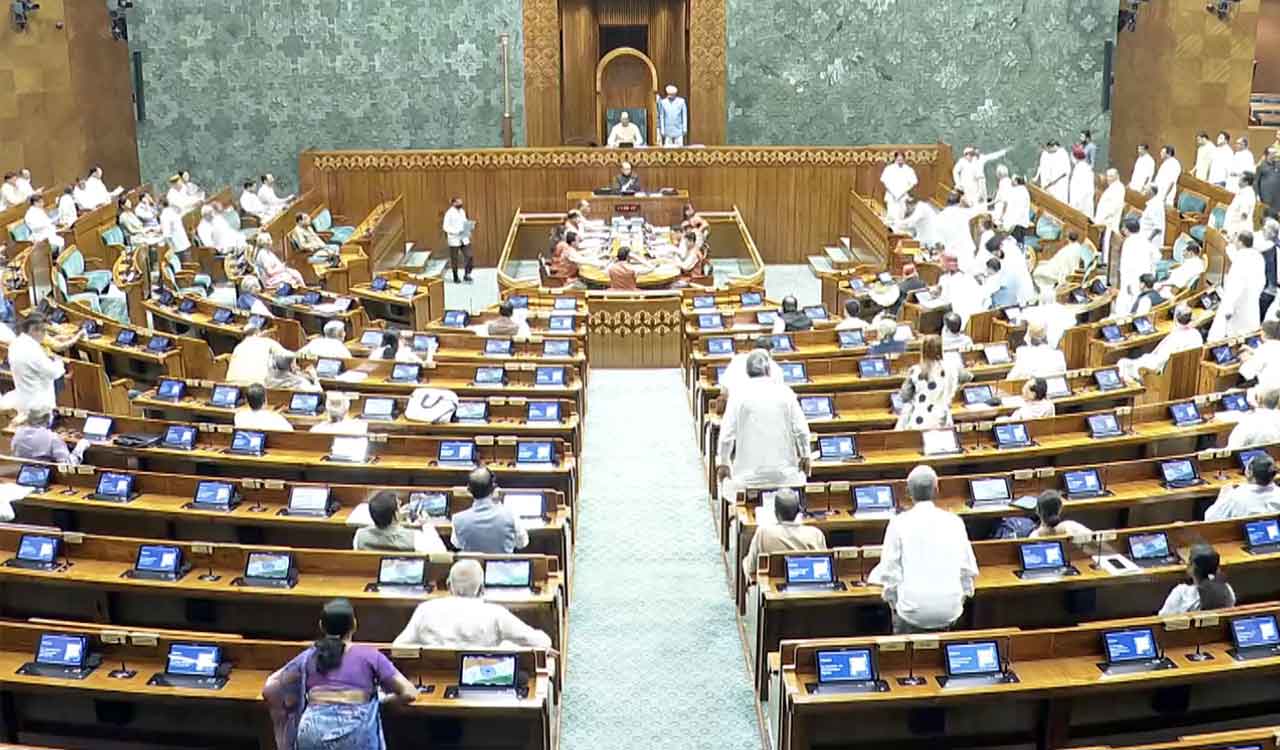
Parliamentary proceedings broke a week-long logjam on Tuesday, as the Lok Sabha took up the Public Examinations (Prevention of Unfair Means) Amendment Bill, 2026. The legislative breakthrough followed intense discussions mediated by Lok Sabha Speaker Om Birla with floor leaders from both the ruling National Democratic Alliance and the opposition, according to reports. Opposition parties agreed to participate in the discussion despite having unmet demands concerning police actions and examination irregularities.
Opening the discussion in the lower house, Union Minister of State Jitendra Singh defended the legislative package as a milestone meant to fortify the 2024 foundational law. Singh argued that examination malpractices have historically plagued multiple states under various administrations, necessitating a unified federal approach to protect the youth. Tracing the origins of testing reforms back to committees formed during the UPA administration and earlier attempts starting from a recommendation made for common testing, Singh stated that the current government had successfully completed an unfinished task. He emphasized that the basic objectives of the legislation are to give more credibility and transparency, reassuring students that they would be rewarded for their genuine and sincere efforts and that their future was safe.
Media additions
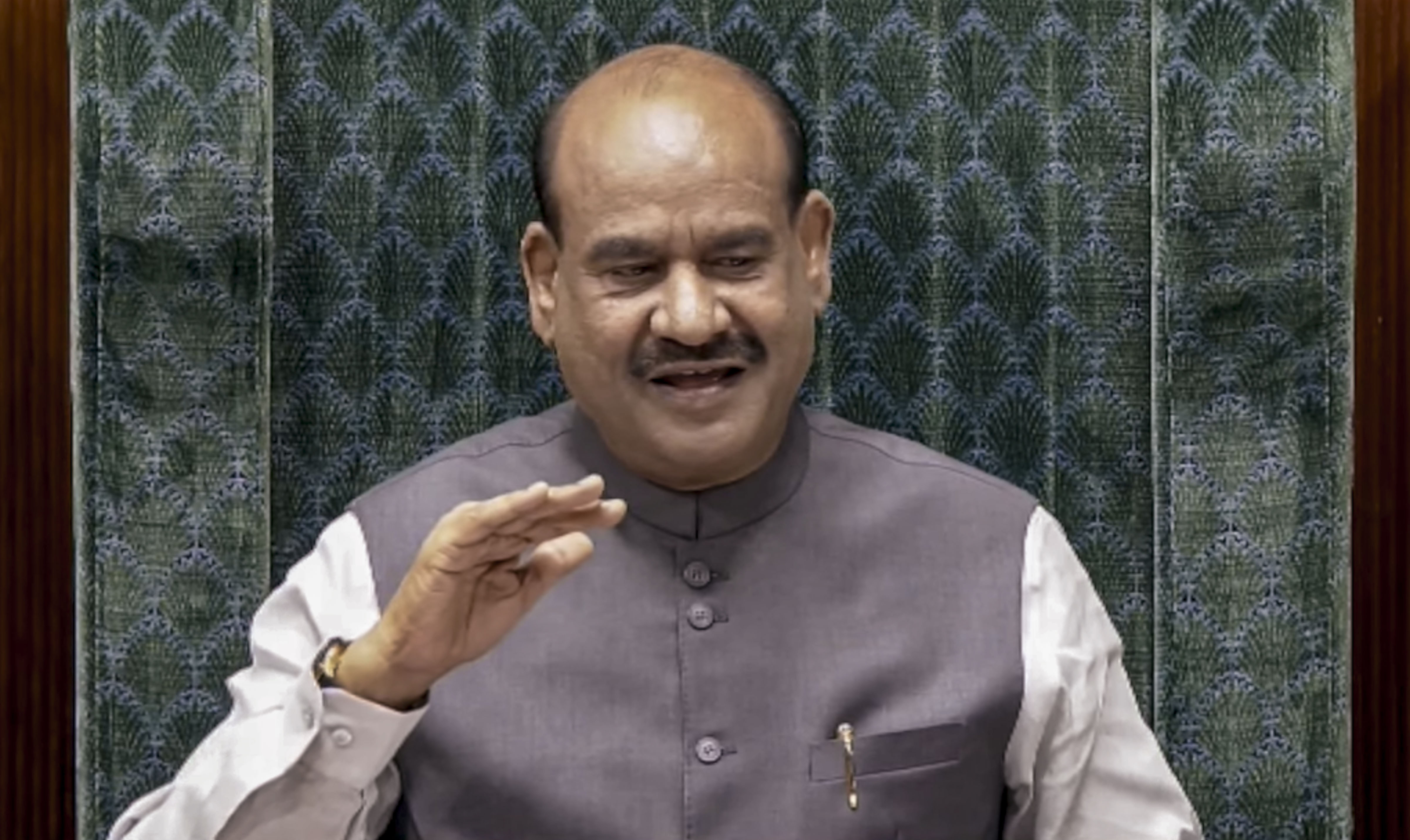
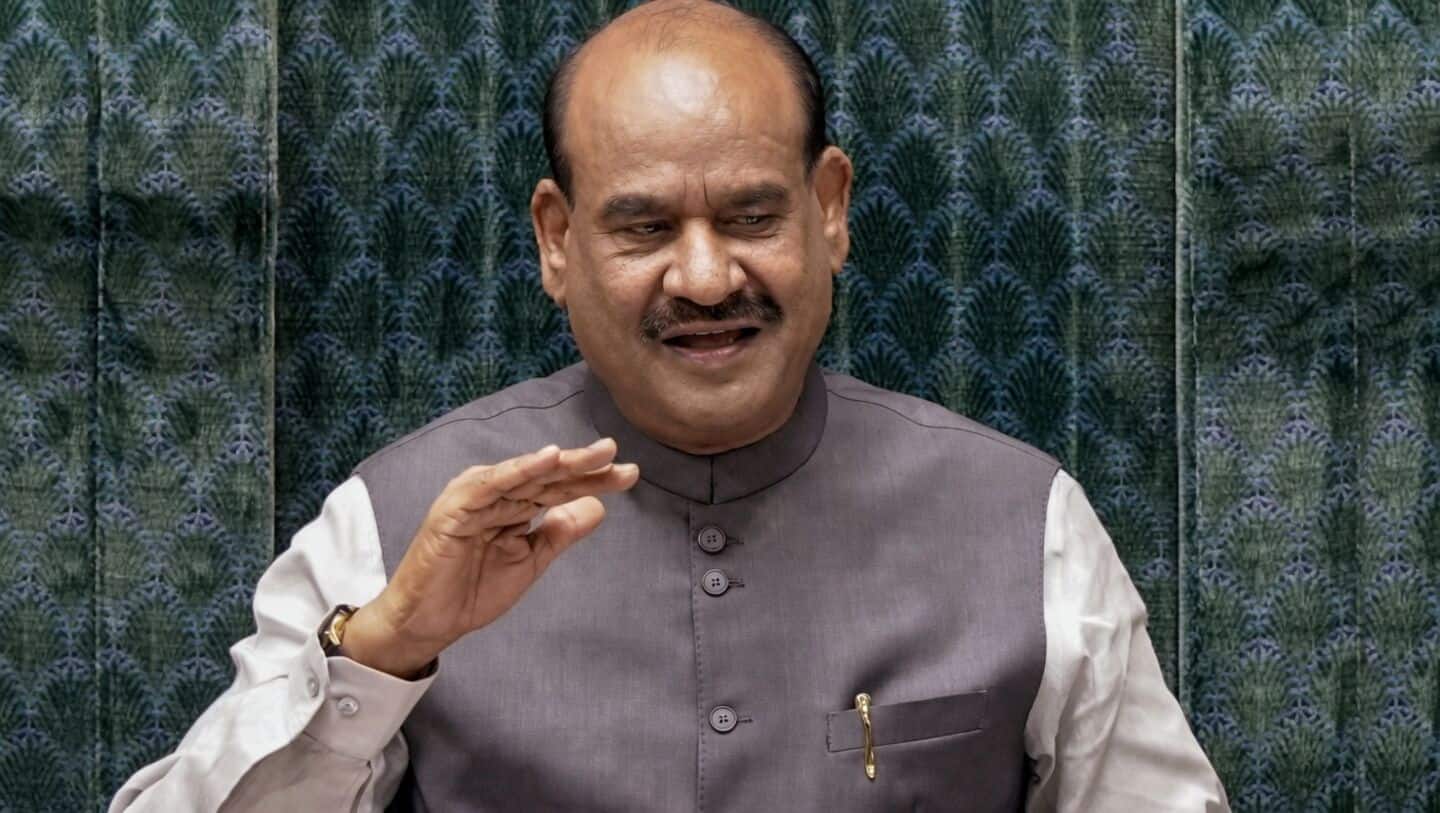
Parliamentary Affairs Minister Kiren Rijiju noted that the government accommodated opposition requests regarding time allocations. While major opposition parties initially agreed to an eight-hour discussion window after consulting with chief whips from the Congress, Samajwadi Party, DMK, and NCP, Rijiju stated that the administration remained fully prepared to stretch the deliberations to ten hours if deemed necessary. Speaker Om Birla also expressed no objection to extending the debate.
Despite the resumption of legislative business, opposition benches launched scathing critiques of the administration's handling of the student crisis and law enforcement actions. Samajwadi Party MP Akhilesh Yadav compared the heavy police intervention during Delhi demonstrations to the historical Emergency, arguing that the force exerted was nothing less and that the public display of dissent reflected deep-seated anger over compromised futures. Congress MP Gaurav Gogoi alleged that numerous young lives were lost during the crisis, citing suicides and deaths linked to the NEET paper leak issue, and criticized the reception given to the former education minister upon his return to the chamber. Gogoi further claimed that prime ministerial directives prioritised social media engagement over cabinet-level discussions regarding testing mafias. BJP MP Kangana Ranaut countered these criticisms by condemning what she described as obscene language and severe personal attacks directed at senior leaders, including the Prime Minister and his late mother, during the student rallies.
Outside the legislature, fallout from the demonstrations continued to unwind. Representatives of the Cockroach Janta Party met with police officials in the national capital to secure guarantees regarding the withdrawal of legal cases. According to reports, authorities assured supporters that first information reports lodged against protesters in Bihar, Assam, and Rajasthan would be rescinded with no further legal proceedings pursued, though representatives expressed initial fear that the government might not keep its promise.
Key Legislative Amendments
- Stricter imprisonment terms for general offences, raising durations under subsection one of section ten.
- Heftier financial penalties for convicted individuals, service providers, and organized examination mafias.
- Extended debarment periods preventing implicated service-providing agencies from conducting public examinations.
- Establishment of dedicated fast-track courts to guarantee rapid judicial processing with strict investigation time limits.
As the debate proceeds in the Lok Sabha alongside nearly a hundred opposition amendments submitted for consideration, attention also turns toward the upper house, where proceedings faced repeated disruptions over separate notices and motions regarding police crackdowns and national symbols.
How significant is this development?
Contribute your assessment to the aggregated reader sentiment ledger.
Frequently Asked Questions
Key questions answered in this reportWhat is the key development in: Parliament begins debate on anti-paper leak amendment bill?
The Lok Sabha took up the Public Examinations Amendment Bill following a legislative breakthrough, sparking debate on exam malpractices and protests.
Why is this News development significant for the UK?
This report covers critical events in our News beat. Independent reporting monitors related UK statements, regulatory shifts, and public responses as further verified details emerge.
How was this reporting corroborated and verified?
Newsarchy UK compiles and cross-references reporting from primary reporting from moneycontrol.com and cross-checked wire reports. All coverage adheres to published editorial standards.
When was this report published?
This briefing was published on July 28, 2026 and is permanently cataloged in the Newsarchy UK News archives.