Iran claims destruction of US early-warning radar in Bahrain strike
Iran's Islamic Revolutionary Guard Corps claims it destroyed a US early-warning radar in Bahrain in retaliation for a strike in Sirik, while US Central Command denies the report.
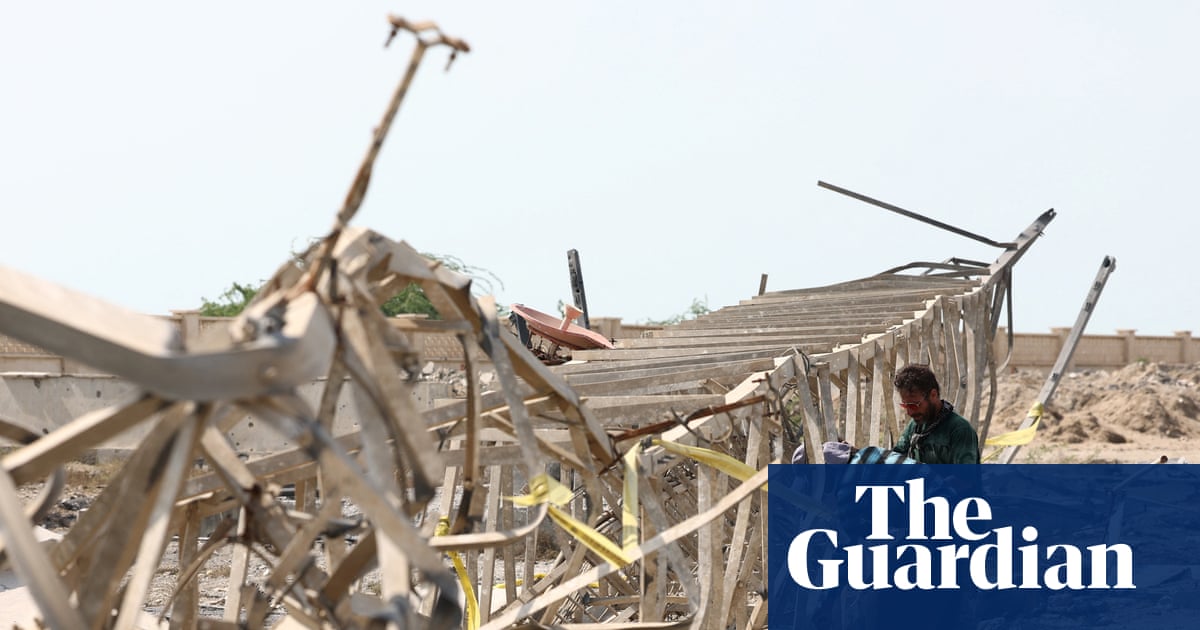
Iran has claimed the destruction of a US early-warning radar system in Bahrain, heightening tensions across the Persian Gulf.
The latest military escalation on Friday, 13 November 2026, follows a reported US airstrike targeting a telecommunications tower in Sirik, situated along the Strait of Hormuz. According to statements released by Iran's Islamic Revolutionary Guard Corps (Nournews), the operation served as a direct retaliation for the Sirik infrastructure strike and functioned as a severe warning against ongoing aerial provocations and oil enforcement measures in the crucial waterway.
Media additions
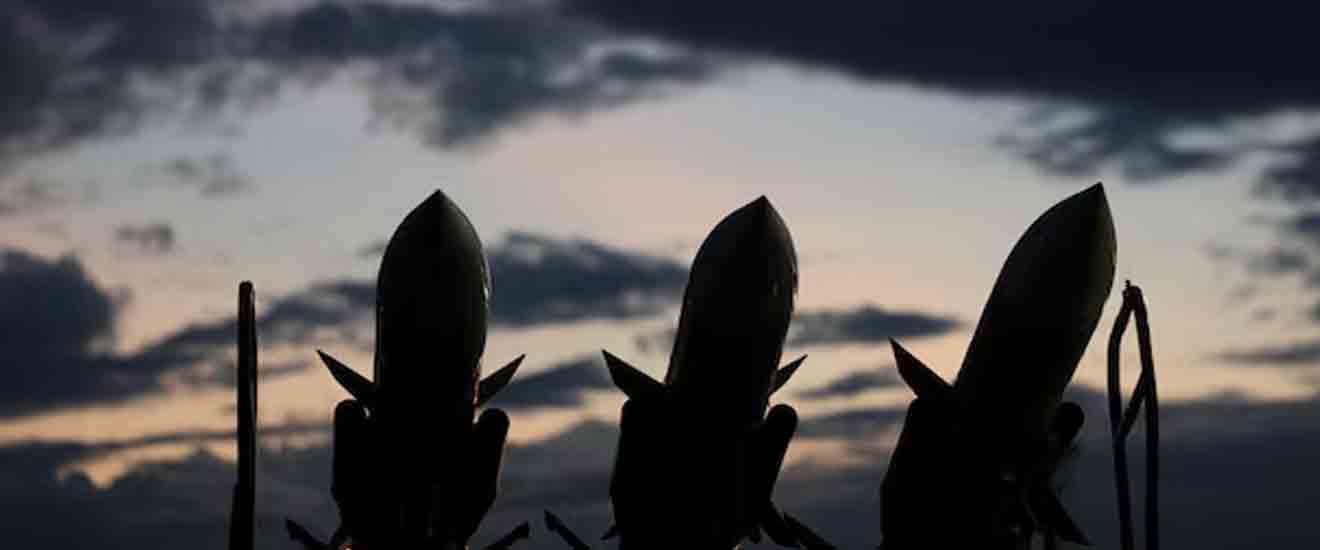
The strike marks the first direct Iranian attack on American military installations in months, drawing immediate responses from regional authorities and Washington.
United States Central Command (The Guardian) disputed Tehran's assertions, denying that the radar system had been destroyed. The US military reported that forces successfully intercepted two drones heading toward Bahrain, with no resulting injuries or structural damage. Independent confirmation of the alleged radar destruction remains unavailable, as noted by international observers.
The geopolitical standoff unfolds against a backdrop of shifting diplomatic and political pressures. US President Donald Trump stated in media interviews that he does not require a new deal with Iran (CBS News), noting that regional allies including Saudi Arabia, Qatar, Kuwait, the United Arab Emirates, and Bahrain had urged him to maintain a waiting period and hold back from large-scale offensive operations. Trump instructed Vice President JD Vance to pivot his attention away from pursuing peace negotiations and direct his complete focus toward domestic anti-corruption efforts. Vance had previously attributed widespread Republican setbacks in the midterm elections to the economic toll of the conflict.
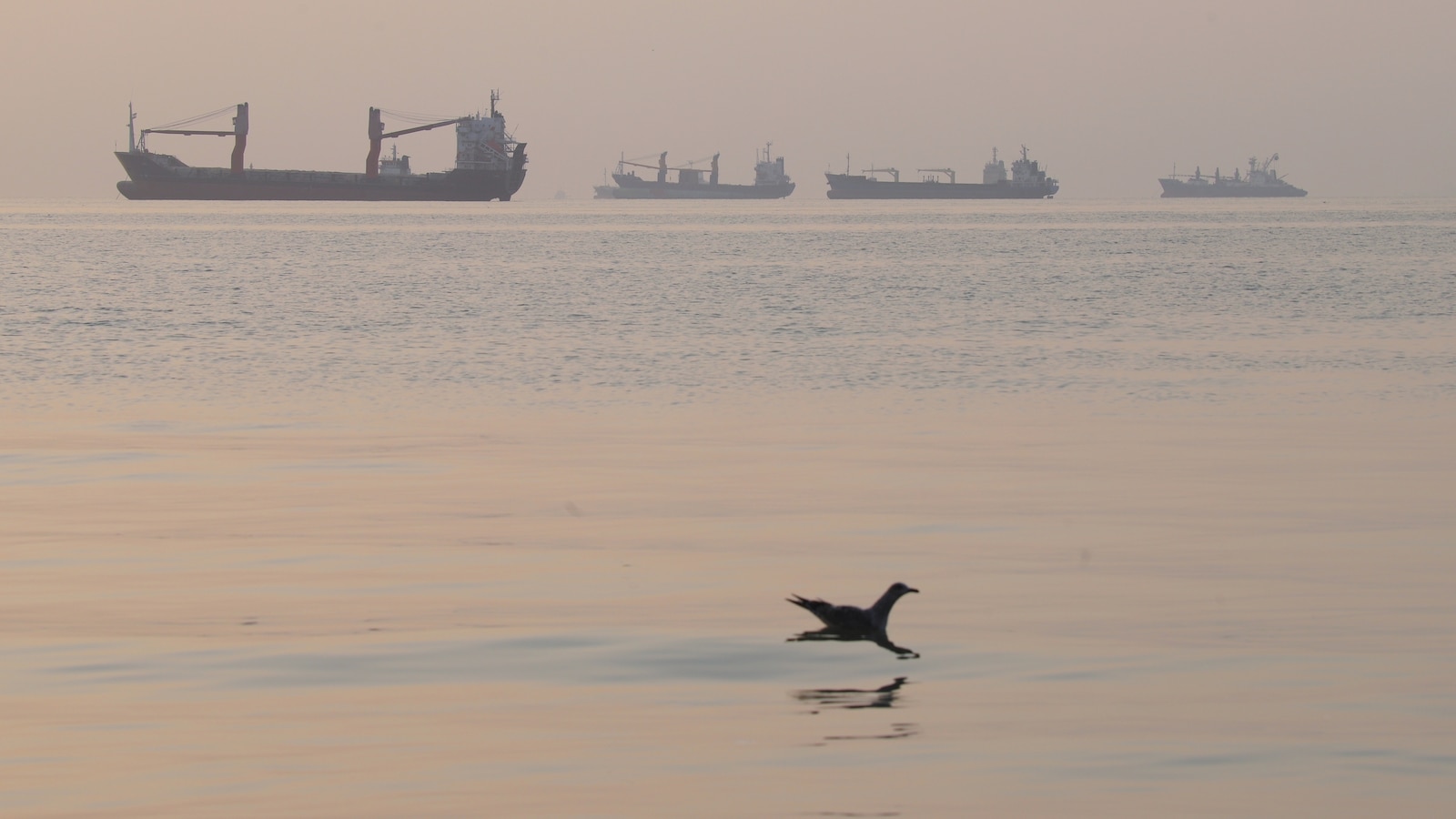
Meanwhile, international unease over nuclear safeguards and maritime security continues to mount. The International Atomic Energy Agency expressed growing alarm regarding Iran's refusal to grant access to verify enrichment activities at the Isfahan Fuel Enrichment Plant, citing ongoing security threats following previous military strikes. At the same time, regional shipping through the Strait of Hormuz remains heavily disrupted, accompanied by separate Houthi drone activity targeting infrastructure within Saudi Arabia.
Chronology of Recent Developments
- February 28, 2026: Outbreak of major military hostilities between the United States, Israel, and Iran.
- November 13, 2026: The IRGC claims the destruction of a US early-warning radar in Bahrain; CENTCOM reports intercepting two drones.
| Entity / Source | Reported Event on Bahrain Radar / Strikes | Official US / Allied Stance |
|---|---|---|
| IRGC / State Media (The Guardian) | Claimed total destruction of a US early-warning radar installation in Bahrain in retaliation for the Sirik tower attack. | Denied by US Central Command; drones were intercepted with no damage. |
| US Central Command (The Guardian) | Maintained that zero damage occurred to the radar network and confirmed the interception of two incoming drones. | Active enforcement of regional naval restrictions continues. |
Diplomatic channels face further strain as international leaders, including Turkish President Recep Tayyip Erdogan and Brazilian President Luiz Inácio Lula da Silva, urge an immediate return to negotiations to stabilize global fuel prices and secure freedom of navigation. Domestically, European governments are weighing the diplomatic ramifications of potential terrorist designations for regional proxy groups amid ongoing maritime security incidents.
What happens next depends heavily on whether the fragile lull holds or if further escalations materialize in the Strait of Hormuz. Observers will monitor potential IAEA diplomatic delegations, forthcoming enforcement actions regarding the ongoing naval blockade, and whether the Trump administration alters its stance on regional military engagement following domestic political shifts.