UK government to consider staggered age of consent after Russell Brand case
British ministers confirmed they will consider introducing a staggered age of consent following public outcry and high-profile misconduct cases.
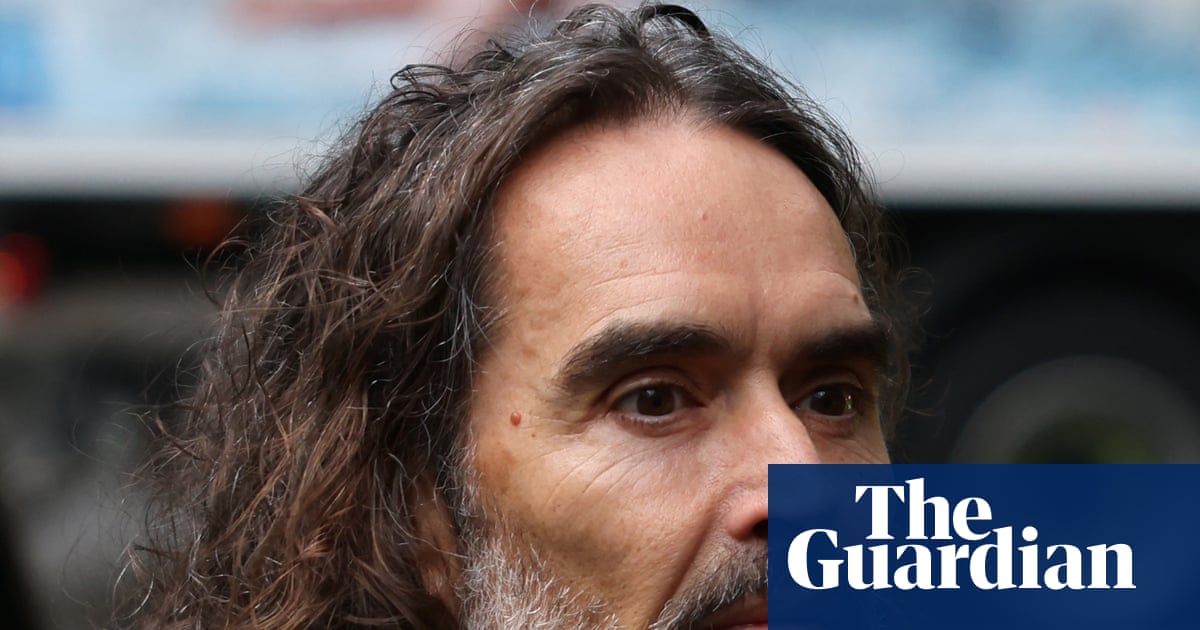
British ministers have confirmed they will consider introducing a staggered age of consent following fresh public outcry and revelations regarding high-profile misconduct cases.
The debate comes after a woman waived her right to anonymity to speak publicly about her experiences, prompting widespread political discussion over legal protections for teenagers. Under current United Kingdom law, as detailed by The Guardian, adults of any age can legally engage in sexual relationships with 16- and 17-year-olds.
Media additions


The reconsideration was triggered by Mia Latter, who revealed her identity after previously being known only by the pseudonym Alice during earlier investigative reporting by the Sunday Times and Channel 4's Dispatches. Latter stated that she was in an abusive three-month relationship with Russell Brand when she was 16 and he was 30, alleging she was raped towards the end of their relationship. Brand denied all allegations when they initially emerged, though he was subsequently convicted of offenses against four other women and is currently serving a prison sentence. Latter's report to the police led to an ongoing Metropolitan Police investigation, though her specific case was not included in the initial Southwark Crown Court trial.
Senior government figures have responded to Latter's decision by indicating that the current legal framework requires scrutiny. Louise Haigh, the de facto deputy prime minister, described Latter's account as heartbreaking and told the Sunday Times that changing the law would be a massive step that merits proper consideration. Similar sentiments were echoed by Work and Pensions Secretary Pat McFadden, who told broadcasters on Sunday that the recent wave of allegations has put the question of power imbalances and age gaps up in lights.
The political momentum has also been shaped by separate allegations concerning comedian David Walliams, which are currently being probed by the Metropolitan Police following investigations by The Guardian and ITV News. Walliams denies any wrongdoing. In response to reports that a non-disclosure agreement was used to silence an individual connected to the Walliams case, Haigh called for a total ban on NDAs in all circumstances relating to harassment or discrimination.
| Figure / Official | Role | Ststance on Staggered Consent & Reforms |
|---|---|---|
| Louise Haigh | De facto Deputy Prime Minister | Stated the proposal deserves proper consideration and scrutiny; supports banning NDAs in harassment cases. |
| Pat McFadden | Work and Pensions Secretary | Confirmed the issue will be discussed to address abuses of power by powerful men over young people. |
| Helen Whately | Shadow Work and Pensions Secretary | Called it an interesting idea to look at again as a society, noting concerns over adults taking advantage of young women. |
| Jess Brown-Fuller | Liberal Democrat Justice Spokesperson | Expressed support for reviewing the laws to recognize power imbalances similar to teacher-student rules. |
| Danny Kruger | Reform UK MP | Applaud the impulse to protect vulnerable teens, but warned against overly complex laws that could send confusing signals. |
Political reactions outside the governing party indicate potential cross-party backing for a legislative review. Liberal Democrat justice spokesperson Jess Brown-Fuller praised Latter's bravery and argued that the law should explicitly recognize the implicit power imbalance held by older individuals over teenage girls, drawing a comparison to existing professional boundaries such as those between teachers and students. Meanwhile, Conservative shadow work and pensions secretary Helen Whately noted on Sky News that society is facing a moment to look again at how adults interact with teenagers. Reform UK MP Danny Kruger expressed caution, telling Times Radio that while the instinct to protect young girls is correct, any new legislation must avoid creating confusion.
Child protection organizations have also welcomed the government's willingness to re-examine the framework. Anna Edmundson, director of policy and social change at the NSPCC, highlighted that the organization has long campaigned for enhanced protections, pointing to previous legal updates preventing adults in positions of trust from exploiting 16- and 17-year-olds.
As discussions continue across Westminster, police and prosecutorial bodies are navigating ongoing legal procedures. The Metropolitan Police confirmed that its investigation into Latter's allegations remains active, while the Crown Prosecution Service stated it continues to work alongside detectives to provide advice.