West Midlands low-income families pay 241m poverty premium
New research reveals that low-income households in the West Midlands pay an extra £241m a year in high costs for everyday essentials, ranking the region second worst in Britain.

- Core Development: New research reveals that low-income households in the West Midlands pay an extra £241m a year in high costs for everyday essentials, ranking the region second worst in Britain.
- Beat Context: Categorized under News with independent corroboration.
- Reporting Depth: 4 minute analytical read synthesized from verified newsroom sources.
Low-income households across the West Midlands are shouldering an additional financial burden of £241m a year in higher costs for everyday essentials, according to new research commissioned by Fair By Design and carried out by the University of Bristol. Reported by outlets including BBC, this striking figure positions the region as the second worst-affected area in Britain for the so-called "poverty premium," trailing only London.
The poverty premium refers to the extra costs people on low incomes face when paying for energy, insurance, food, and credit. For families struggling to stay afloat, these structural penalties compound existing hardship. Government figures indicate that the West Midlands suffers from the highest rate of fuel poverty of any region in England, with 16.7% of households classed as fuel poor. Furthermore, more than half of the 20 local authority areas with the highest levels of fuel poverty nationwide are located within the region.
Media additions
Constituency Breakdowns and Local Impact
The research highlights severe concentrations of these extra costs in specific parliamentary constituencies. Households in Perry Barr face an average poverty premium of £562 a year, marking the second-highest figure among Britain's constituencies. Meanwhile, in Ladywood, families face an average premium of £540 a year, with estimates showing that nearly £9.8m leaves the Ladywood constituency annually due to these inflated expenses—more than any other constituency in the country. The wider regional impact extends heavily into Coventry, Wolverhampton, and parts of the Black Country.
These findings arrive at a critical juncture for Ladywood, where large-scale regeneration plans are set to reshape the community, bringing new homes and redevelopment to neighbourhoods long earmarked for renewal. Signs of physical transition are already visible; the local food bank where residents volunteer has had to relocate from the now-closed Ladywood Community Centre into a nearby church ahead of upcoming redevelopment work.
Researchers and community workers emphasize that money lost through the poverty premium drains local economies, preventing households from building savings or absorbing unexpected shocks. Carole Reid, who works with young people through the social enterprise Access to Heritage, Art and Culture in Perry Barr, notes that financial stress cuts communities off from broader social opportunities, arts, and creative activities.
Family Realities and Impossible Choices
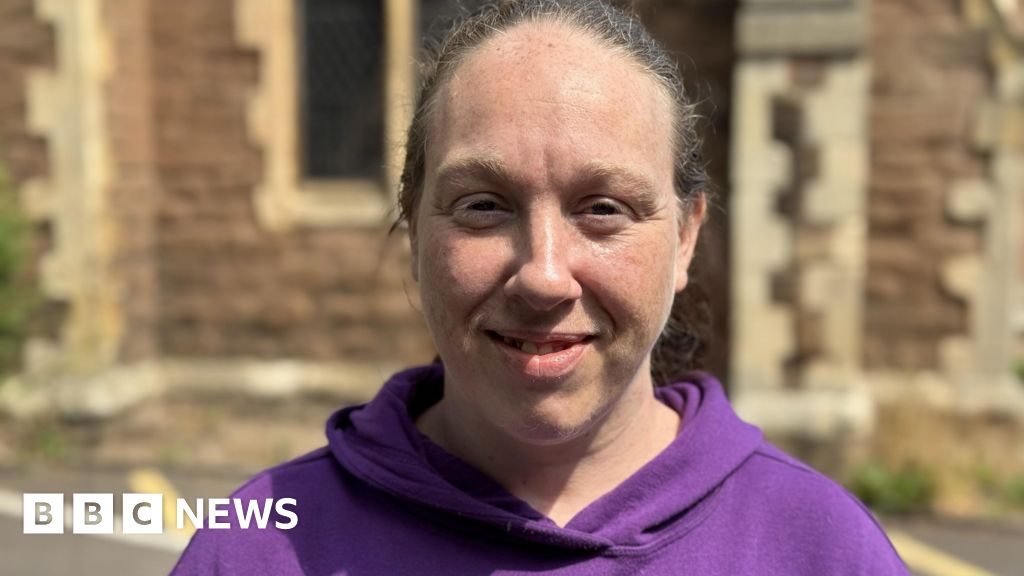
Behind the regional statistics lie difficult daily trade-offs for residents. A mother-of-three living in Ladywood, who volunteers at a local food bank while relying on its services, details the constant struggle to balance a household budget covering a college student, a teenager at school, and a primary-aged child. Affording everything at once proves nearly impossible.
"In the colder months you find yourself going without so that you can stay warm. It's important that she stays warm, but it's also important that she eats. It can be really tough."
Ladywood resident, via AOL and BBC reporting
When her old fridge freezer broke down, she could not afford an energy-efficient A-rated model. Consequently, she notes that buying a cheaper appliance leads to higher energy consumption and steeper utility bills. Rebecca Deegan, director of Fair By Design, highlights the severity of these trade-offs, noting that some families served by anti-poverty organizations went through entire winters without turning on their heating because they had to choose between warmth and feeding their families.
For grocery shopping on a tight budget, meat has become largely unaffordable, leading families to rely heavily on creative, low-cost meals like stretching a single spaghetti bolognese into a chilli con carne the following day. Despite these pressures, local residents emphasize a deep sense of community pride, pointing to strong local networks, schools, and parks.
Government Response
In response to the findings, the government stated that it remains determined to turn the tide on poverty after years of rising hardship. Officials pointed to recent statistics indicating that these efforts are beginning to make a difference, citing a 5% real-terms rise in household incomes, alongside falling food bank usage and reduced food insecurity.
To tackle ongoing cost-of-living pressures, the administration highlighted measures including:
- Increasing the National Minimum Wage
- Cutting VAT on electricity
- Suspending tariffs on everyday staples
- Launching a £1bn Crisis and Resilience Fund
As communities across the West Midlands navigate both regeneration and deep-seated economic challenges, researchers and local advocates stress that understanding the root causes of regional deprivation remains essential for delivering meaningful, long-term improvement.
How significant is this development?
Contribute your assessment to the aggregated reader sentiment ledger.
Frequently Asked Questions
Key questions answered in this reportWhat is the key development in: West Midlands low-income families pay 241m poverty premium?
New research reveals that low-income households in the West Midlands pay an extra £241m a year in high costs for everyday essentials, ranking the region second worst in Britain.
Why is this News development significant for the UK?
This report covers critical events in our News beat. Independent reporting monitors related UK statements, regulatory shifts, and public responses as further verified details emerge.
How was this reporting corroborated and verified?
Newsarchy UK compiles and cross-references reporting from primary reporting from bbc.com and cross-checked wire reports. All coverage adheres to published editorial standards.
When was this report published?
This briefing was published on July 28, 2026 and is permanently cataloged in the Newsarchy UK News archives.


