NHS crisis leaves elderly waiting for ambulances and hospital cupboards
Extreme health service pressures have left elderly patients waiting hours for ambulances and spending days on emergency trolleys in hospitals across Wales and England.
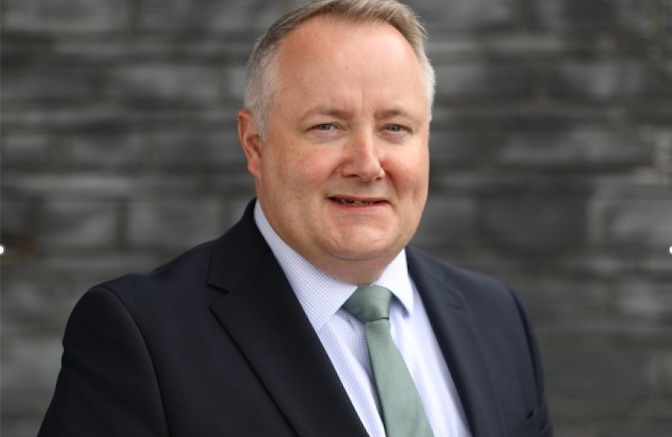
Political pressure has mounted in Wales following disclosures regarding extreme delays across the health service. Welsh Conservative Leader Darren Millar challenged the First Minister over progress on waiting lists, corridor care, and emergency department pressures. This challenge comes six months after a high-profile pledge was made to tackle the crisis.
Mr Millar highlighted tragic cases from North Wales involving two elderly women who waited more than 17 hours and 24 hours respectively for an ambulance. He also drew attention to an 81-year-old cancer patient who spent 48 hours sleeping on plastic chairs inside a hospital cupboard at the Royal Gwent Hospital. In addition to these incidents, Mr Millar noted that ambulance crews remain stuck outside hospitals and pointed out that the North Wales coroner has warned that more lives could be lost.
Media additions

"These cases are absolutely heartbreaking and should shame the Welsh Government. An 81-year-old cancer patient should never have to spend two days sleeping on plastic chairs in a hospital cupboard and nor should elderly people be left waiting up to 24 hours for an ambulance."
Darren Millar, Welsh Conservative Leader, via Aberdareonline
Mr Millar questioned whether the Welsh Government stands by its promise to increase hospital beds, or whether that commitment will be abandoned. The Welsh Conservatives are demanding faster progress from the administration, contrasting their urgency with the Welsh Government’s new framework on emergency and acute care, which promises improvements by 2034.
Similar harrowing scenes are playing out across England as winter pressures compound an already fragile system. Health service bosses have described accident and emergency departments as experiencing pressures as severe as those seen during the Covid-19 pandemic. NHS England medical director Prof Sir Stephen Powis warned that hospitals are facing exceptional pressure and mammoth demand as flu cases surge alongside cold weather.
Recent figures show that the average number of patients with flu in hospitals in England topped 5,400 a day, which is about 1,000 higher than the week before. Around 20 NHS trusts in England declared critical incidents this week. An example of this operational strain was observed at Warwick Hospital, where critical incidents were declared, forcing patients to be treated in chairs and leaving some waiting for hours in ambulances due to the sheer volume of arriving individuals.
The human cost of these delays is laid bare in the testimony of families caught in the chaos. Sue, a retired NHS psychiatrist, shared the final days of her 86-year-old mother, Mary Lamerton, described as the joyous linchpin of the family who always made sure relatives remembered each other's birthdays. Mary had a fall on 29 December and was taken into the Royal Sussex County Hospital in Brighton.
Because Mary had flu and staff wanted to reduce the risk of infection, she was placed in a side-room that Sue described as nothing more than a glorified cupboard. Mary remained on a trolley in that environment for the final four days of her life, as a severe bed shortage blocked any chance of a transfer to a proper ward. She died on New Year's Day.
"I had to take a deep breath because I was so shocked. There were just rows and rows of mostly elderly, grey, scared looking people."
Sue, grieving daughter, via BBC
Mary had been on a priority list for a bed for nearly two days, but her daughter noted there was no chance of securing one. During the last 12 hours of her life, Mary received palliative drug care while still lying on an emergency trolley.
While Sue does not believe a ward placement would have saved her mother's life, she emphasised that it would have provided a more dignified and appropriate death. Drawing on her background as a retired NHS psychiatrist, Sue expressed sympathy for the demoralised staff who appeared to have either shut down or become deeply upset while trying to manage the chaos day in and day out.
University Hospitals Sussex NHS Foundation Trust issued a response addressing Mary's ordeal. Chief Nurse Dr Maggie Davies and a trust spokeswoman expressed deep regret that staff were unable to provide the privacy and dignity the patient deserved. They noted that emergency teams are working incredibly hard under huge pressure and said efforts are under way to reduce the numbers of people coming into our A&Es and to enable patients to leave hospital sooner.