NHS Wales waiting lists and GP shortages reach critical levels
NHS Wales is struggling with significant patient waiting lists and severe GP workload intensity. Ongoing staffing vacancies and discharge delays continue to impact emergency care performance.

- Core Development: NHS Wales is struggling with significant patient waiting lists and severe GP workload intensity. Ongoing staffing vacancies and discharge delays continue to impact emergency care performance.
- Beat Context: Categorized under NHS with independent corroboration.
- Reporting Depth: 3 minute analytical read synthesized from verified newsroom sources.
The health service in Wales is operating under a state of sustained and critical pressure. Across primary and secondary care, systemic challenges are impacting patient safety, staff morale, and the fundamental ability of the service to meet increasing demand.
Waiting Lists and Emergency Care
As of May 2025, over 796,000 individuals were waiting for NHS treatment in Wales. The number of patients waiting over 36 weeks for care in that month was 22.2 times higher than the figure recorded in May 2019. Diagnostic waiting lists have also surged; in May 2025, 117,006 patients were waiting for diagnostic tests, with the median waiting time reaching 5.2 weeks, compared to 2.7 weeks in May 2019. The percentage of patients starting treatment within 62 days after the first suspicion of cancer stood at 61.3% in May 2025.
Media additions

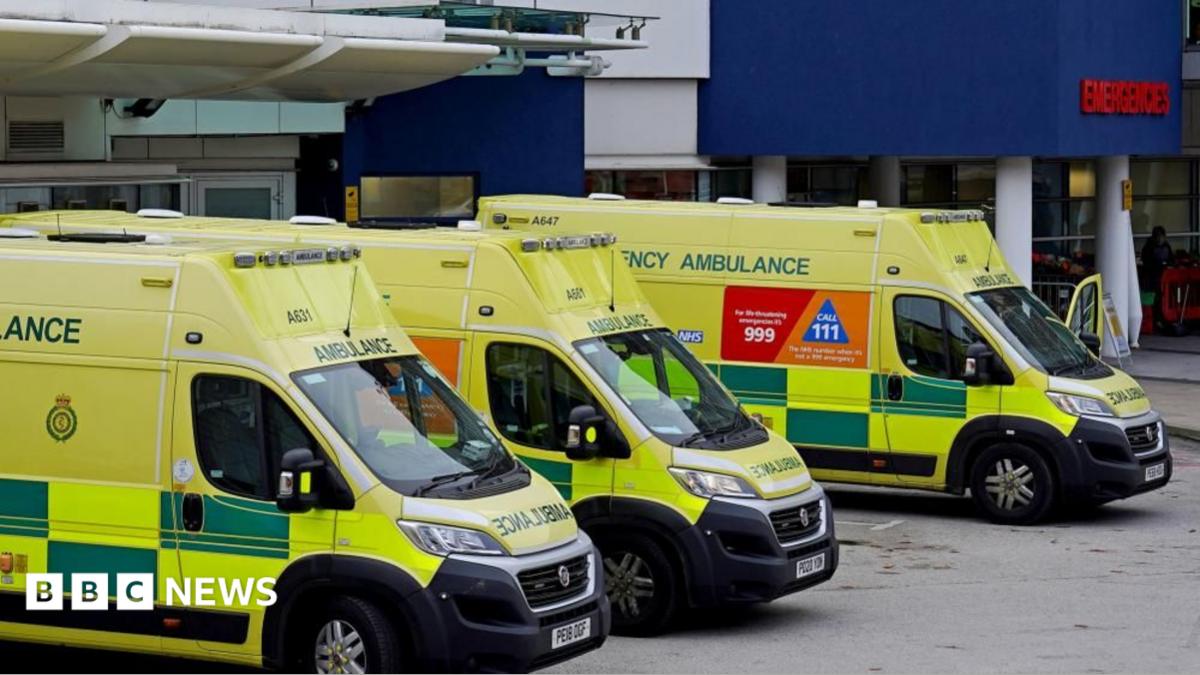
Emergency departments are experiencing similar strain. Between April 2025 and March 2026, slightly over half of patients in major emergency departments were seen within the four-hour target, while 10,905 patients waited more than 12 hours during March 2026 alone. According to Audit Wales, the average wait for an ambulance handover in March 2026 was 1 hour 38 minutes. Between April 2024 and March 2026, only one in five patients arriving by emergency ambulance were handed over within the 15-minute standard. The Royal College of Emergency Medicine estimated that 965 deaths in Wales during 2025 were linked to waits of over 12 hours.
Primary Care Pressures
General practice is facing a crisis of workload intensity and recruitment. In March 2025, the full-time equivalent of 1,490.3 GPs were responsible for an average patient load that represented a 30 per cent increase in intensity compared to 2013. A British Medical Association survey found that 54 per cent of GPs describe patient access in their local areas as routinely inadequate
. Many practices have responded to financial limitations by freezing recruitment, deferring investment in IT and premises, or reducing services such as minor surgery.
The Bma has reported that 63 per cent of GPs indicate a routine or constant negative impact on patient care due to these pressures. Furthermore, the number of daily GP appointments provided for urgent or acute needs fell from 28,260 in April 2023 to 21,864 in December 2025.
Discharge Delays and Workforce Challenges
Hospital overcrowding is exacerbated by the difficulty in discharging patients who are medically fit. At any one time, there are approximately 1,600 patients in hospital beds in Wales who are ready for discharge. In March 2026, nearly 1,400 patients waited over 48 hours for discharge, resulting in 345,000 lost bed days for the 2025-26 period. The Welsh Government has introduced a 50-day challenge
10-point action plan to improve discharge efficiency, though Dr. Iona Collins, chair of the BMA Welsh council, has warned that such initiatives, when coupled with additional working hours, could lead to staff burnout.
"On the one hand, we're trying to get more out of the service, and at the same time we're supplying less to the service. It's little wonder that we're seeing staff burning out and patients feeling that they're not getting the right care."
Dr. Iona Collins, chair of the BMA Welsh council, via BBC
Workforce stability remains a primary concern. The Royal College of Physicians has highlighted that 44 per cent of current consultant physicians in Wales are projected to reach retirement age within the next decade. As the government considers these findings, health boards face ongoing pressure to maintain service delivery while managing recruitment difficulties across nursing, therapies, and social services.
How significant is this development?
Contribute your assessment to the aggregated reader sentiment ledger.
Frequently Asked Questions
Key questions answered in this reportWhat is the key development in: NHS Wales waiting lists and GP shortages reach critical levels?
NHS Wales is struggling with significant patient waiting lists and severe GP workload intensity. Ongoing staffing vacancies and discharge delays continue to impact emergency care performance.
Why is this NHS development significant for the UK?
This report covers critical events in our NHS beat. Independent reporting monitors related UK statements, regulatory shifts, and public responses as further verified details emerge.
How was this reporting corroborated and verified?
Newsarchy UK compiles and cross-references reporting from primary reporting from bbc.com and cross-checked wire reports. All coverage adheres to published editorial standards.
When was this report published?
This briefing was published on July 21, 2026 and is permanently cataloged in the Newsarchy UK NHS archives.