Andy Burnham's bounce stalls as women shift to Conservatives and Reform
Prime Minister Andy Burnham's initial polling surge has stalled as fresh polling indicates that female voters are shifting toward the Conservative Party and Reform UK.

- Core Development: Prime Minister Andy Burnham's initial polling surge has stalled as fresh polling indicates that female voters are shifting toward the Conservative Party and Reform UK.
- Beat Context: Categorized under Politics with independent corroboration.
- Reporting Depth: 3 minute analytical read synthesized from verified newsroom sources.
The political honeymoon enjoyed by Prime Minister Andy Burnham has encountered a sharp reality check, as fresh polling indicates that female voters are abandoning the Labour Party in significant numbers and shifting their allegiance toward the Conservative Party and Reform UK. Just over two months into office, the premier’s initial surge in popularity — dubbed the "Burnham bounce" following his leadership transition and conference speeches — appears to be stalling amidst a fractured political landscape defined by shifting gender divides and mounting skepticism over public spending.
The dynamics reshaping Westminster were brought into sharp focus by a comprehensive YouGov mega poll, which registered contrasting fortunes across the political spectrum. According to The Spectator, the survey projected that while Labour would win the most seats in the event of an immediate general election, it would face a hung parliament with 241 seats, a steep drop from the 412 seats won in the 2024 general election that ended 14 years of Conservative rule. Meanwhile, Nigel Farage’s insurgent populist party was projected to secure 123 seats, a massive increase from its current parliamentary representation, even as its national poll numbers slipped from earlier peaks. The Conservative Party was projected to claim 130 seats.
Media additions
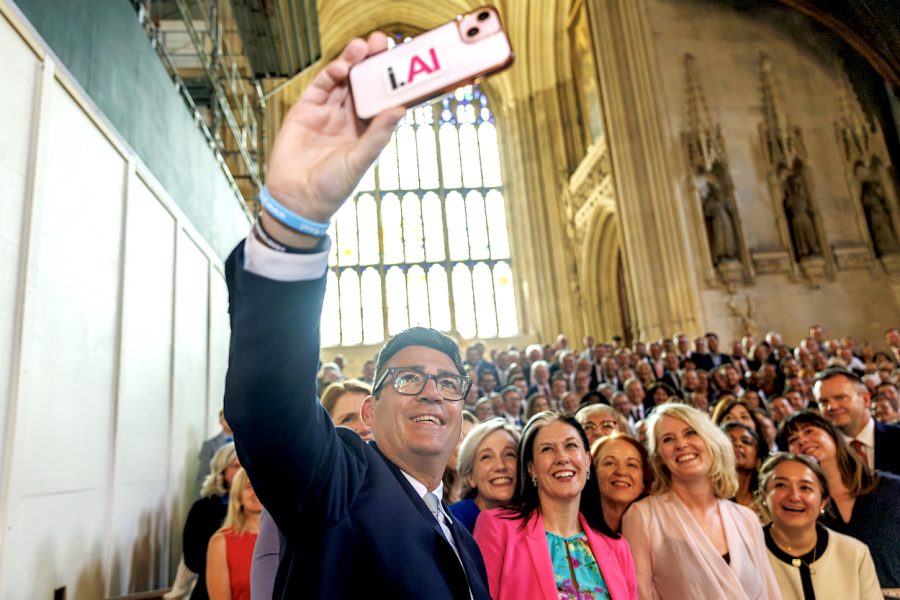


Yet it is the underlying demographic shift that has alarmed party strategists. Data from a More In Common poll highlighted a striking political gender divide: while Labour retains greater appeal among male voters, women are increasingly breaking away. Only 23 per cent of women intend to back Labour, compared to 29 per cent of men. When combined, voters leaning toward the right-hand side of the political spectrum account for 44 per cent of men and 45 per cent of women, challenging the long-standing assumption that female voters reliably lean toward progressive parties.
According to The Spectator, female disillusionment with Labour stems from a mixture of cultural anxieties, public service pressures, and policy definitions. Commentators and analysts note that older women, in particular, are grappling with the deteriorating state of local high streets, difficulties securing NHS appointments for elderly relatives, and growing unease surrounding immigration and public safety following incidents tied to asylum housing. Furthermore, contentious debates over sex-based rights and government hesitation in clarifying legal definitions of biological womanhood have left many female voters feeling alienated from the progressive mainstream.
Simultaneously, Al Jazeera reported that political scientists have observed that very few former Reform voters are actively switching to Labour. Instead, Burnham’s initial recovery has largely drawn support back from left-of-centre alternatives, such as the Green Party and the Liberal Democrats. However, that progressive flank is far from secure. Exclusive polling published by The Guardian via ThinkLabour revealed that the Green Party, energized by its leadership, trailed Labour by a mere four points in urban constituencies, putting progressive strongholds under intense electoral pressure.
| Polling Organization / Platform | Labour Voting Intention | Reform UK Voting Intention | Conservative Voting Intention |
|---|---|---|---|
| SurVation | 29% | 23% | Not reported |
| YouGov Mega Poll | 24% | 25% | 19% |
As the administration prepares for upcoming parliamentary battles, the political fallout from shifting female voting patterns and economic constraints will dictate Westminster's trajectory. Readers should watch for the government’s upcoming fiscal announcements, ongoing by-election outcomes, and whether Number 10 can successfully shore up its support among centrist and female voters before electoral pressures mount further.
Explore more background and analysis in our dedicated Politics coverage.
How significant is this development?
Contribute your assessment to the aggregated reader sentiment ledger.
Frequently Asked Questions
Key questions answered in this reportWhat is the key development in: Andy Burnham's bounce stalls as women shift to Conservatives and Reform?
Prime Minister Andy Burnham's initial polling surge has stalled as fresh polling indicates that female voters are shifting toward the Conservative Party and Reform UK.
Why is this Politics development significant for the UK?
This report covers critical events in our Politics beat. Independent reporting monitors related UK statements, regulatory shifts, and public responses as further verified details emerge.
How was this reporting corroborated and verified?
Newsarchy UK compiles and cross-references reporting from primary reporting from Al Jazeera and cross-checked wire reports. All coverage adheres to published editorial standards.
When was this report published?
This briefing was published on October 1, 2026 and is permanently cataloged in the Newsarchy UK Politics archives.