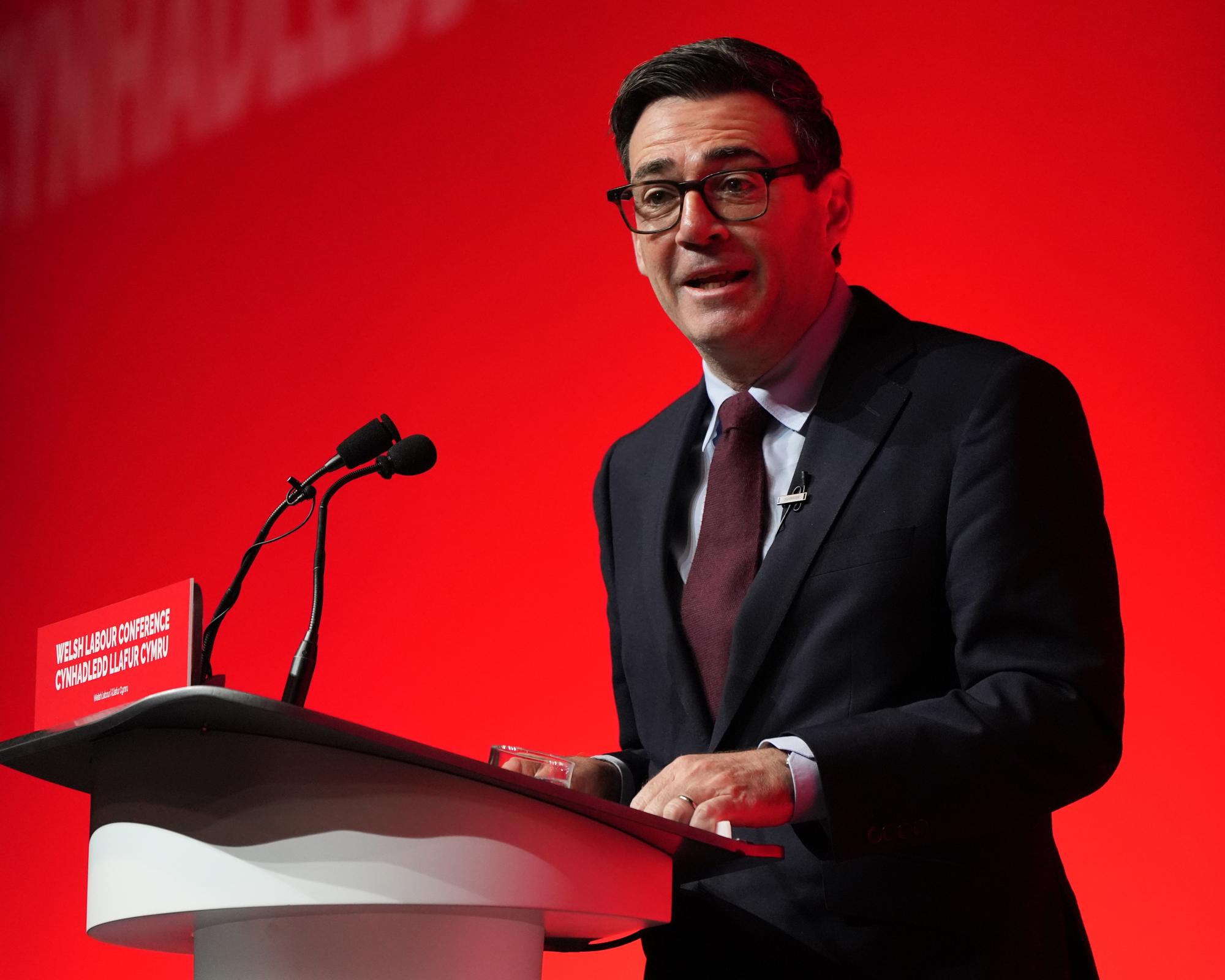
Andy Burnham faces Labour revolt over North Sea drilling plans
UK Prime Minister Andy Burnham is facing the first major rebellion of his premiership as up to 100 Labour MPs oppose controversial fossil fuel extraction.
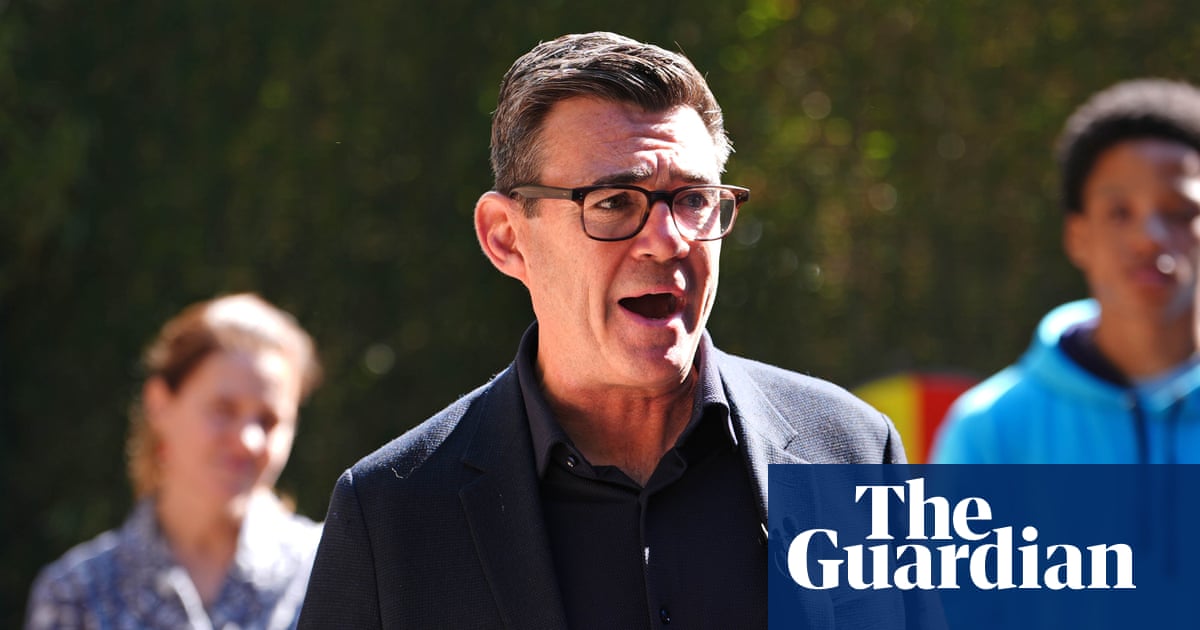
UK Prime Minister Andy Burnham is facing the first major rebellion of his premiership as up to 100 Labour MPs mobilise to oppose controversial fossil fuel extraction in the North Sea.
The mounting political crisis centers on the future of major offshore developments, most notably the Rosebank oilfield west of Shetland and the Jackdaw gasfield. According to The Guardian, prime ministerial signaling in Sheffield pointed toward a pragmatic stance on domestic energy sources. Yet that rhetoric has collided with fierce opposition from climate experts, economists, and a substantial bloc of Labour backbenchers alarmed by extreme weather.
The internal party friction follows government approval granted for the Jackdaw gasfield. While Daily Mail reporting indicates that move won praise from US President Donald Trump for opening up the North Sea, it simultaneously galvanized dissent within Westminster. Reports show that roughly 75 Labour MPs have privately signed a letter opposing Rosebank, with campaigners working to expand that figure to nearly one in four of the parliamentary party.
The dissent spans multiple wings of the parliamentary party. Rachael Maskell urged ministers to keep carbon in the ground, while Clive Lewis warned that pressing ahead with Jackdaw sends the wrong international signal while making a negligible difference to energy prices. Chris Murray emphasized Britain's duty to lead on net zero rather than succumbing to the self-interest of energy firms. Furthermore, the threat extends into government ranks, with at least one parliamentary private secretary to a Cabinet minister weighing resignation over the issue.
Economic voices have added significant weight to the parliamentary unease. Mariana Mazzucato argued that the output would be sold to the highest bidder on international markets rather than easing domestic bills, while undermining clean energy credibility. Daniela Gabor and Nicholas Stern echoed those warnings, cautioning that extra output generates additional greenhouse gases and sends a dangerous global signal.
| Project | Location | Political & Environmental Status |
|---|---|---|
| Jackdaw | North Sea | Approved last month; critics argue it offers negligible price relief while emitting carbon. |
| Rosebank | West of Shetland | Pending decision; largest untapped oil field in the North Sea, facing potential backbench revolt and threatened resignations. |
Divisions within the executive have further complicated the timeline. Energy Secretary Miatta Fahnbulleh insisted that she alone will make the final decision on Rosebank through a quasi-judicial process, pushing back against reports that the Prime Minister or Chancellor John Healey would dictate the outcome. Meanwhile, Foreign Secretary Ed Miliband previously categorized the approval of Rosebank as climate vandalism. At the same time, opposition parties including the Conservatives and Reform UK are pressing for approval to bolster tax revenues and curb import dependence.
As the political fallout intensifies, the administration must navigate competing pressures ahead of key fiscal and legislative milestones. For broader context on Whitehall developments, see Politics coverage, alongside analysis of how the UK Prime Minister Andy Burnham faces Cabinet split over North Sea oil projects.
What to Watch Next
- Public consultations regarding Rosebank and Jackdaw are scheduled to conclude in mid-August.
- The Department for Energy Security and Net Zero faces a pending ministerial decision on whether to greenlight Rosebank.
- The political landscape remains volatile ahead of the upcoming budget presented by Chancellor John Healey.