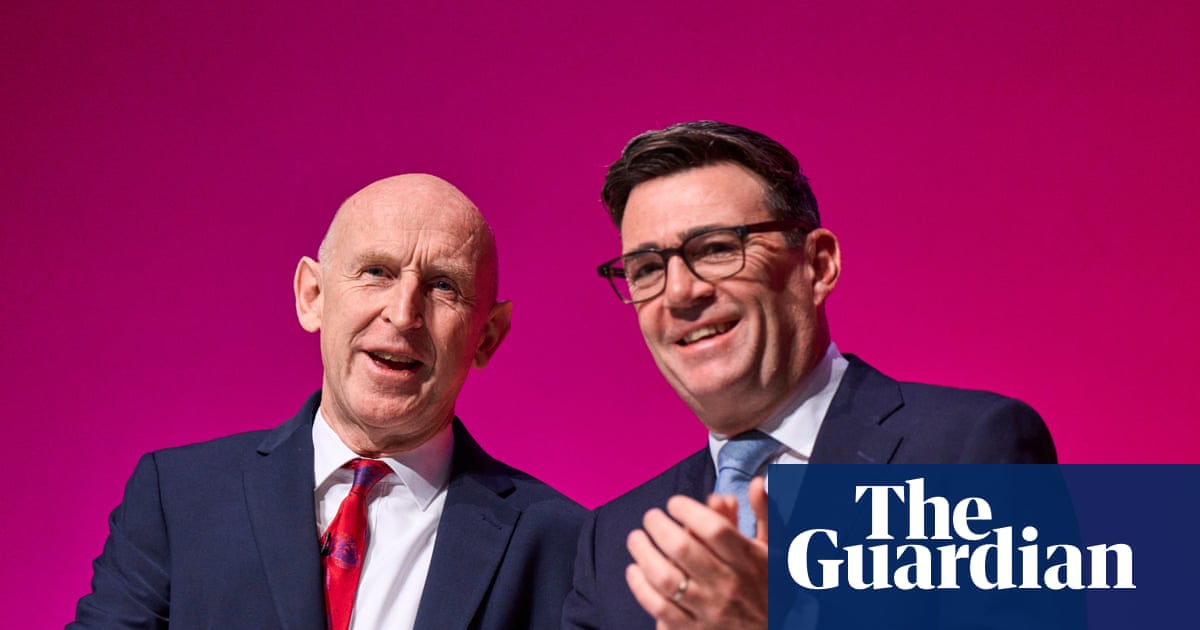
Andy Burnham calls for honest discussion on EU free movement
Prime Minister Andy Burnham has called for an honest, evidence-based discussion on returning to EU free movement, sparking intense criticism from opposition leaders ahead of a Brussels summit.
- Core Development: Prime Minister Andy Burnham has called for an honest, evidence-based discussion on returning to EU free movement, sparking intense criticism from opposition leaders ahead of a Brussels summit.
- Beat Context: Categorized under Politics with independent corroboration.
- Reporting Depth: 3 minute analytical read synthesized from verified newsroom sources.
Prime Minister Andy Burnham has signaled a major shift in British politics by calling for an evidence-based debate on whether the United Kingdom should return to free movement with the European Union, a move that immediately drew fierce condemnation from opposition parties ahead of a critical international summit.
The remarks, given in a weekend media interview in the lead-up to his one-hundredth day in office, mark a striking pivot from standard political orthodoxy regarding the 2016 Brexit referendum. While the prime minister previously committed to the red lines established in Labour's general election manifesto—which explicitly ruled out a return to free movement, single market membership, or a customs union—he is now laying the groundwork for a public conversation about future options. These possibilities range from sector-specific deals and youth mobility schemes to going "all the way" and rejoining the bloc, according to BBC reporting.
Media additions
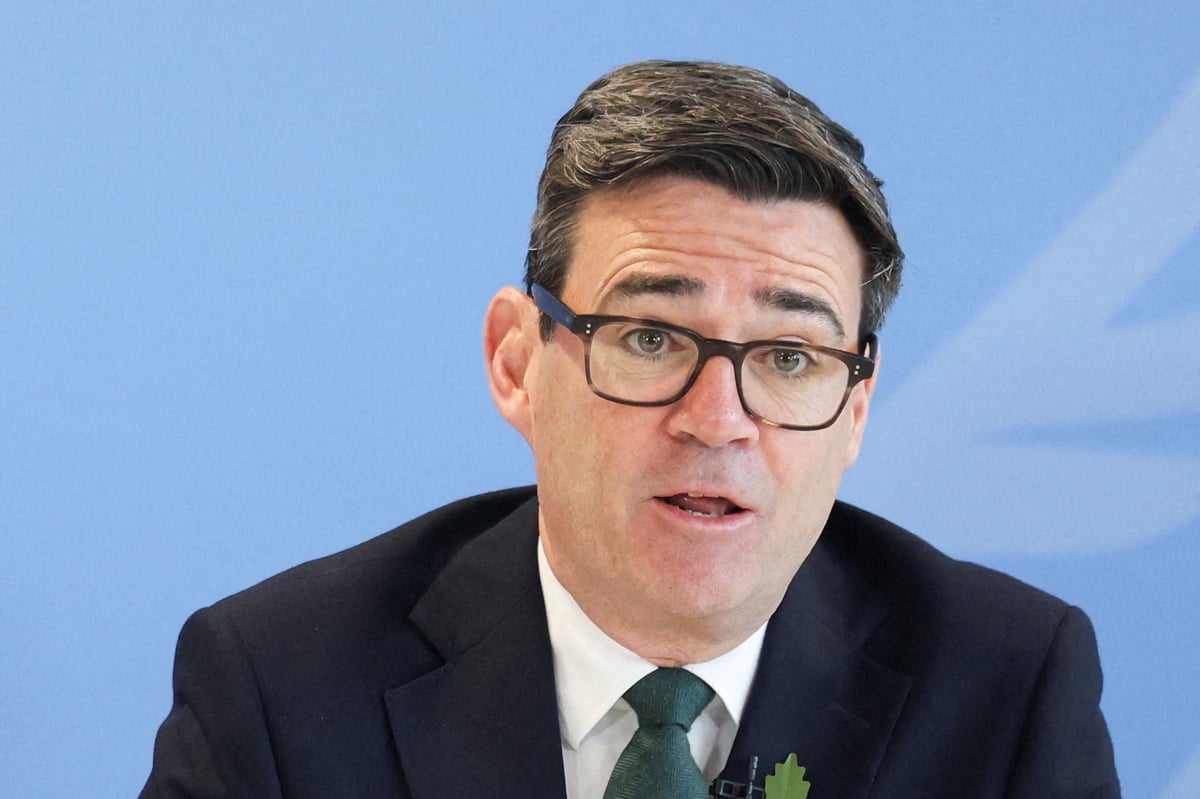

Any fundamental restructuring of the nation's relationship with Europe would require a fresh democratic mandate. Because the current parliament operates under the constraints of the 2024 manifesto, any such policy shift would have to wait until a general election, which is expected by 2029.
Reflecting on the nature of migration during the UK's years inside the European Union, Burnham contrasted historical trends with contemporary challenges. It was generally younger people, not always, but spending a few years, then going back,
he told The Independent, adding that the ease of travel also worked reciprocally for British citizens seeking to live and work across Europe. He noted that while freedom of movement brought significant challenges during his earlier time in parliament, the nature of population movement had fundamentally transformed, pointing to the loss of data collaboration tools like Eurodac as a notable post-Brexit disadvantage.
| Metric / Phase | Historical Context (2016) | Post-Brexit Peak | Recent Figures |
|---|---|---|---|
| Net Migration | 335,000 (year to June 2016) | 944,000 (year to March 2023) | 171,000 (last year) |
| Immigration Framework | EU Free Movement Rules | Points-based system ("Boriswave") | Current points-based regime |
Despite opening the door to a broader debate, Burnham drew firm boundaries regarding certain European integration measures. As AOL noted, the prime minister insisted he could never envision recommending that the UK adopt the single currency or enter the borderless Schengen Area.
The political fallout was swift and severe. Reform UK leader Nigel Farage blasted the comments, pointing out that Burnham's own constituency of Makerfield voted to leave the EU. This is a total betrayal of Brexit Britain and his Makerfield pitch,
Farage stated, accusing the prime minister of dishonesty regarding historical immigration patterns. Conservative shadow home secretary Chris Philp echoed those concerns, asserting that restoring free movement would amount to handing back control of our borders and allowing uncontrolled migration from across Europe.
Pressure is also mounting from within municipal leadership. London Mayor Sadiq Khan has actively pushed the government to utilize upcoming diplomatic opportunities to secure youth mobility arrangements and food standard alignments, framing them as stepping stones toward eventual rejoining.
What happens next will hinge heavily on diplomatic developments in the coming weeks. Burnham is scheduled to travel to Brussels on 20 November to meet with European Union chiefs, where he is expected to officially lay out his vision for resetting bilateral ties. Observers will be watching closely to see whether the administration focuses its negotiating capital on narrow, pragmatic sector agreements or pushes forward with a wider public consultation on labor mobility.
How significant is this development?
Contribute your assessment to the aggregated reader sentiment ledger.
Frequently Asked Questions
Key questions answered in this reportWhat is the key development in: Andy Burnham calls for honest discussion on EU free movement?
Prime Minister Andy Burnham has called for an honest, evidence-based discussion on returning to EU free movement, sparking intense criticism from opposition leaders ahead of a Brussels summit.
Why is this Politics development significant for the UK?
This report covers critical events in our Politics beat. Independent reporting monitors related UK statements, regulatory shifts, and public responses as further verified details emerge.
How was this reporting corroborated and verified?
Newsarchy UK compiles and cross-references reporting from primary reporting from ИФЗ РАН and cross-checked wire reports. All coverage adheres to published editorial standards.
When was this report published?
This briefing was published on October 25, 2026 and is permanently cataloged in the Newsarchy UK Politics archives.