Andy Burnham faces mixed industry reaction as he prepares to lead UK government
As Andy Burnham prepares to assume the premiership, he faces a mixed reception regarding his plans to shift political focus to Manchester and reform transport.

- Core Development: As Andy Burnham prepares to assume the premiership, he faces a mixed reception regarding his plans to shift political focus to Manchester and reform transport.
- Beat Context: Categorized under Politics with independent corroboration.
- Reporting Depth: 3 minute analytical read synthesized from verified newsroom sources.
As Andy Burnham prepares to assume the office of Prime Minister this Monday, 20 July 2026, he faces a disparate landscape of anticipation and apprehension. The former Mayor of Greater Manchester, who recently secured his return to Parliament in the Makerfield by-election, is set to lead a government that has already signalled a fundamental shift in the machinery of British politics.
A Shift toward the North
Central to Burnham’s platform is the creation of a "No 10 North" base in Manchester. Addressing an audience at the People's History Museum on Monday, 29 June 2026, he outlined plans to rewire the UK, aiming to redistribute power away from the traditional centre of Whitehall. According to reporting, this office will serve as a nerve centre for regional rebalancing, with the objective of nurturing growth from the bottom up rather than enforcing it through top-down mandates. This reorganisation seeks to replace the current adversarial culture of departmental silos with a mission-driven approach. Burnham has committed to a ten-year plan aimed at raising living standards, explicitly referencing the German Basic Law's focus on achieving "equivalent living conditions" across all regions.
Media additions


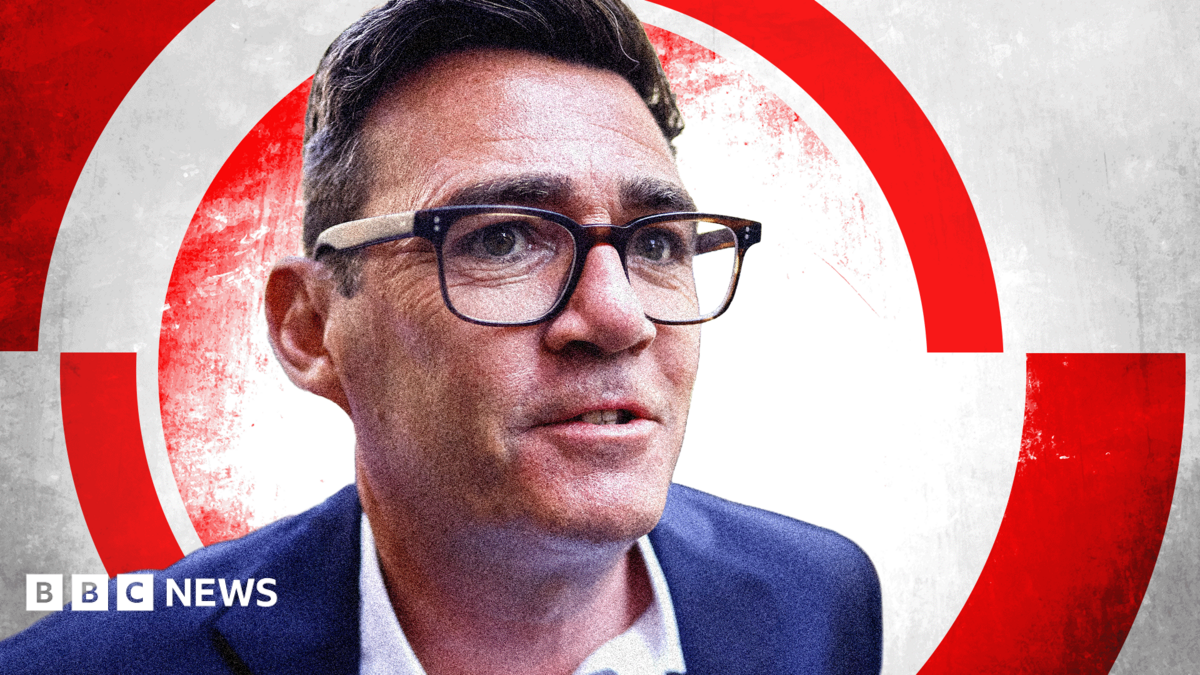
Burnham has framed this as a departure from the "politics-as-usual" approach, advocating for a collaborative model that involves public, private, and voluntary sectors. He intends to devolve power further into the Midlands, the South West, the East of England, and London, alongside deeper devolution for Scotland, Wales, and Northern Ireland. The stated ambition is to move away from market-only solutions, with public intervention used to set higher standards for towns and essential utilities such as water, energy, and transport.
Mixed Reactions from Stakeholders
The prospect of a Burnham-led government has elicited starkly different reactions from industry groups and transport advocates. For the taxi industry, the reception is one of cautious optimism. Many drivers view his record as Mayor of Greater Manchester as a template for national reform. His vocal criticism of the current licensing framework—specifically regarding drivers operating far from their home authorities—aligns with the long-standing concerns of local cabbies. Burnham has repeatedly described this issue as a matter of both public safety and fairness, citing the need for stronger local control and accountability. His past advocacy for vehicle grants, rather than punitive charging schemes, has resonated within a sector that often feels overlooked by national policy.
Conversely, motoring advocates have expressed significant concern. FairFuelUK founder Howard Cox has warned of a potential "dictatorship" regarding road policy, suggesting that the administration may prioritise anti-driver measures. Cox argues that Burnham's focus on public transport franchising and urban congestion management could create further uncertainty for motorists. Despite Burnham's past U-turn on the Greater Manchester Clean Air Zone, there are fears that the administration will maintain controversial fee structures. While Burnham has suggested that the UK has been "building for the car for far too long," he has also indicated a willingness to change policy under pressure, as demonstrated during his time as mayor.
Economic and Policy Priorities
As he takes office, Burnham inherits a complex economic portfolio. He has pledged to retain existing debt and spending rules while simultaneously pursuing an expansive council house building programme and seeking to rebalance the tax burden away from work and toward wealth. Potential reforms include the replacement of council tax and stamp duty with a land value tax, and the implementation of a national care levy to fund social care. On the international stage, Burnham has stated he would like the UK to rejoin the EU within his lifetime, though he maintains he does not wish to re-run the 2016 referendum immediately. His administration will also navigate live negotiations regarding youth visas and food regulations.
The Road Ahead
Burnham assumes the premiership at a time of political volatility. He has explicitly stated he will not announce specific appointments until the end of the current transition period, advising stakeholders to discount speculative reports circulating in Westminster. His immediate focus remains on reviewing the state of public finances and building an inclusive team. As he moves to implement his "Manchesterism" vision of good growth, he faces the challenge of managing expectations across all nations of the UK while attempting to break the long-standing centralisation of power in Whitehall.
How significant is this development?
Contribute your assessment to the aggregated reader sentiment ledger.
Frequently Asked Questions
Key questions answered in this reportWhat is the key development in: Andy Burnham faces mixed industry reaction as he prepares to lead UK government?
As Andy Burnham prepares to assume the premiership, he faces a mixed reception regarding his plans to shift political focus to Manchester and reform transport.
Why is this Politics development significant for the UK?
This report covers critical events in our Politics beat. Independent reporting monitors related UK statements, regulatory shifts, and public responses as further verified details emerge.
How was this reporting corroborated and verified?
Newsarchy UK compiles and cross-references reporting from primary reporting from express.co.uk and cross-checked wire reports. All coverage adheres to published editorial standards.
When was this report published?
This briefing was published on July 20, 2026 and is permanently cataloged in the Newsarchy UK Politics archives.