NIESR says UK interest rates must rise to 5% to control inflation
Economic forecaster NIESR warns that UK interest rates must climb to five percent to control soaring inflation as policymakers defer crucial decisions.
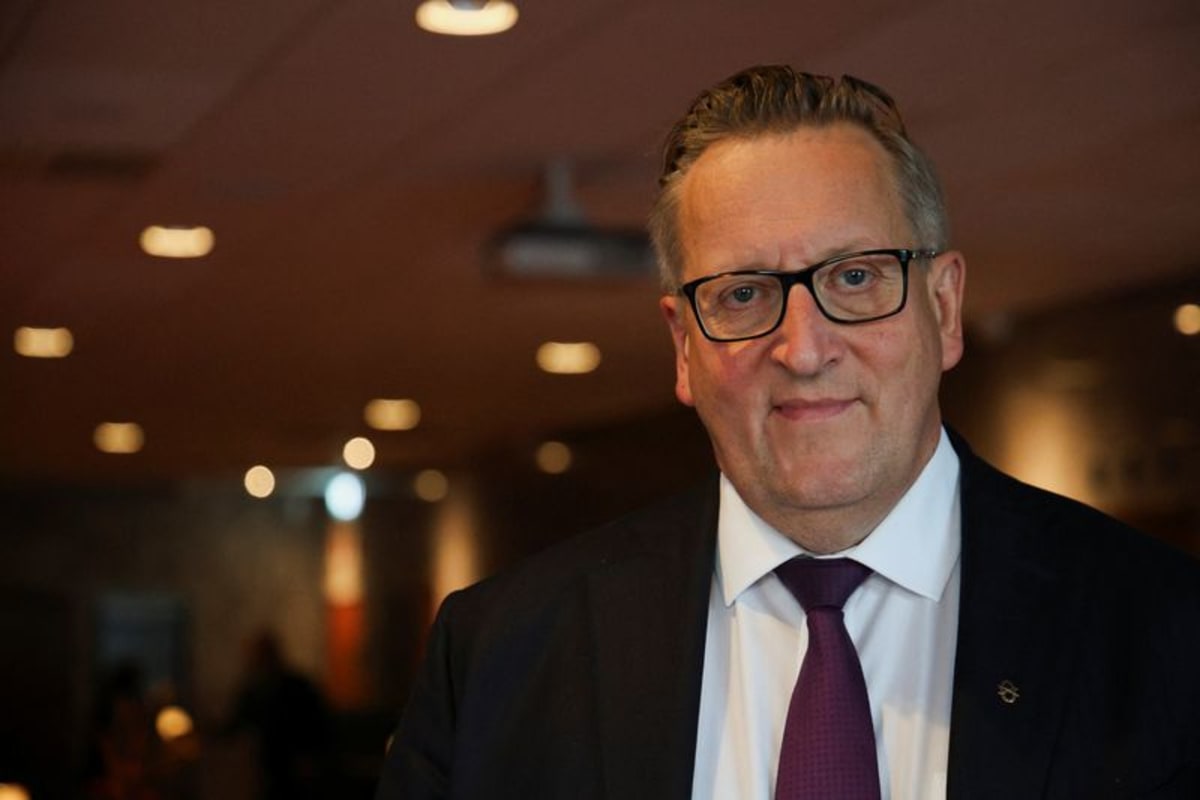
UK interest rates must climb to five percent to tackle soaring inflation as policymakers delay crucial fiscal decisions, according to a prominent economic forecaster.
The warning from the National Institute of Economic and Social Research (NIESR), as reported by The Standard, comes as wider economic pressures intersect with intensifying security concerns across Europe, where firms are pushing for rapid cross-border alignment in military procurement according to Aol. NIESR argued that monetary and fiscal policy decisions are actively being deferred by the government, creating risks that threaten to worsen inflation within the economy while squeezing public finances.
Consumer Prices Index inflation in the UK is projected by the think tank to reach a peak of approximately four point four percent in February, marking an upward revision from earlier forecasts. The Bank of England previously responded to mounting price pressures by lifting interest rates to four percent. While NIESR expects the central bank to implement one further rate increase, its analysis indicates that this measure alone will prove insufficient, delaying any return to the two percent inflation target until late 2030.
Poorer households are expected to bear the heaviest burden of this prolonged timeline, as rising costs leave them with few options other than cutting back consumption rather than adjusting discretionary spending or drawing on savings. NIESR stated that rates need to reach five percent specifically to neutralize the threat of second-round inflation effects, which typically manifest when companies set wages and prices at the start of the year. The think tank cautioned that delaying further action now only invites riskier future hikes.
Criticism was also directed at government fiscal strategy, with NIESR highlighting that major spending commitments remain unfunded across defence, social care, and disability support. During the autumn Budget, Chancellor John Healey confirmed that the UK’s fiscal headroom has contracted to £14.5 billion from £23.6 billion, driven largely by escalating debt interest costs over the previous year.
| Economic Indicator | Previous Projection | Updated Forecast |
|---|---|---|
| Peak CPI Inflation (2026/2027) | 3.8% (predicted in July) | 4.4% (expected in February) |
| GDP Growth Rate (Current Year) | 1.4% | 1.6% |
| GDP Growth Rate (Following Year) | 1.3% | 1.1% |
NIESR noted that government plans to stabilise public finances rely heavily on strict restraint in public spending pencilled in for upcoming years. If these spending plans slip in a manner consistent with historical trends, the government’s stated fiscal rules would be missed by roughly £30 billion. The think tank asserted that the Chancellor missed an opportunity during the autumn budget to place public finances on solid ground, choosing instead to postpone difficult taxation and spending choices.
Simultaneously, international industrial pressures are mounting across the defence sector. Six major Nordic defence and technology firms—comprising Saab, Kongsberg, Patria, Terma, Ericsson, and Nokia—proposed that military equipment approved in one Nordic nation should automatically gain recognition across the entire region to accelerate arms procurement. Speaking at a conference in Gothenburg organised by the Nordic Compass alliance, the companies argued that governments must pay upfront for production capacity.
Jyri Hakamies, who serves as chair of Nordic Compass' defence track, emphasised the urgency by pointing to operational lessons from ongoing conflicts, where innovation cycles are measured in weeks rather than years. Because each Nordic country currently maintains independent certification and procurement processes, equipment approved in one jurisdiction frequently faces repeated administrative certification delays elsewhere. Under the proposed framework, products certified in a single participating country would bypass recertification requirements across the bloc.
The industrial group also advocated for pilot framework contracts obligating governments to purchase guaranteed quantities of manufacturing capacity ahead of formal orders. Patria Chief Executive Panu Routila observed that demand signals alone do not cover operational overheads. In addition to procurement streamlining, the firms seek to establish shared regional capabilities focused on subsea infrastructure protection, space surveillance, and secure military communications.
Domestically, NIESR’s revised economic modelling estimates UK gross domestic product growth at one point six percent for the current year, reflecting stronger-than-expected contributions from government spending and business investment, including artificial intelligence. However, GDP growth is projected to slow to one point one percent the following year.
As policymakers weigh further monetary tightening against fiscal constraints, attention will turn to the Bank of England's forthcoming interest rate decisions and the government's response to medium-term spending pressures.