Andy Burnham announces £8.4bn nuclear submarine investment in Barrow
Prime Minister Andy Burnham has unveiled an £8.4 billion funding package for the Dreadnought-class nuclear submarine programme in Barrow-in-Furness.

- Core Development: Prime Minister Andy Burnham has unveiled an £8.4 billion funding package for the Dreadnought-class nuclear submarine programme in Barrow-in-Furness.
- Beat Context: Categorized under Politics with independent corroboration.
- Reporting Depth: 4 minute analytical read synthesized from verified newsroom sources.
Prime Minister Andy Burnham announced an £8.4 billion investment into nuclear deterrent submarines during a visit to Barrow-in-Furness, framing the funding as both a cornerstone of national security and a driver for local industrial renewal. As covered in our Politics coverage, the announcement forms part of the ongoing Dreadnought-class submarine programme designed to replace the Royal Navy’s ageing Vanguard-class fleet, one of which is always at sea carrying Britain’s nuclear deterrent.
The newly unveiled funding package represents the fourth phase of the submarine programme. According to reporting from the Manchester Evening News, the financial allocation includes £5.9bn directed to BAE Systems for its shipyard work in Barrow, alongside £2.5bn destined for the broader supply chain involving over 6,000 companies. The first vessel in the class, HMS Dreadnought, is expected to enter service in the early 2030s. The Guardian reported that the broader Dreadnought undertaking carries a total valuation of £31bn, featuring a complex enterprise carrying a substantial contingency fund that has previously placed it on amber alert by government procurement monitors.
Media additions
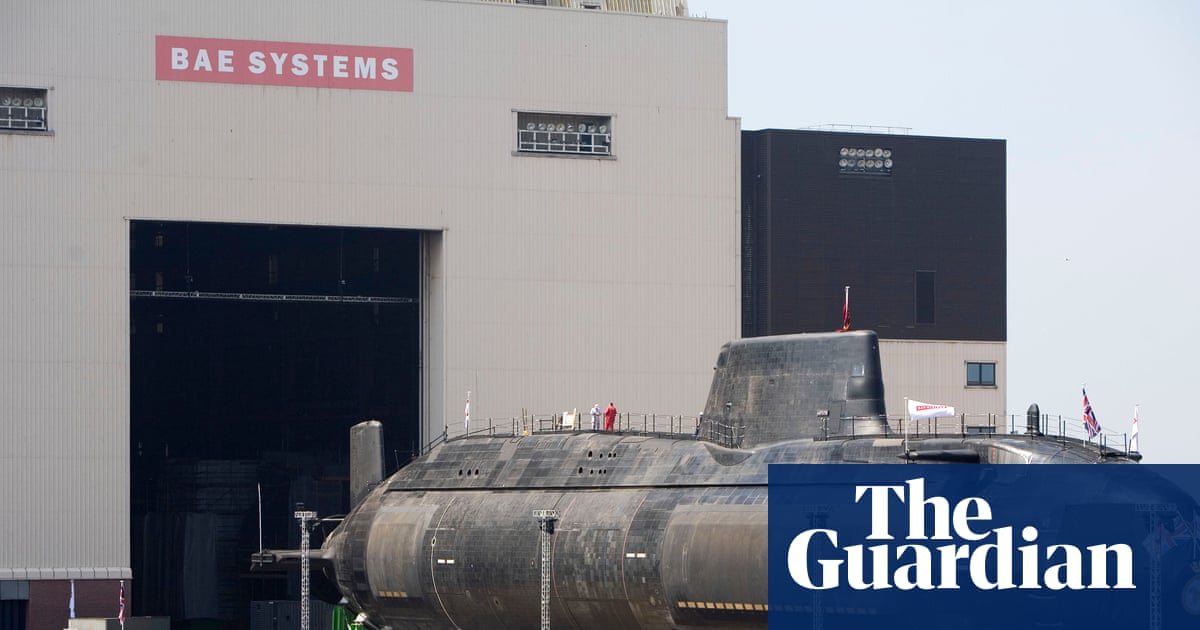
Breakdown of the Investment and Regional Impact
Official figures from Downing Street indicate that the Defence Nuclear Enterprise currently supports around 47,000 British jobs, including 13,500 in the Barrow shipyard. The surrounding constituency historically switched from Labour to Conservative, and was retaken by Labour at the last election in 2024. The latest injection of capital is expected to support 18,000 extra jobs in nuclear defence by 2030, with overall enterprise employment forecast to rise to 65,000 by 2030. The initiative also aims to create 22,000 apprentices by 2035. During the visit, the Prime Minister will also unveil a new apprenticeship scheme designed to help young people in the Northwest of England access skilled employment opportunities.
"Keeping this country safe is the first responsibility of any government - but security is not only about what we build, it is about who builds it, and who benefits from it."
Andy Burnham, Prime Minister, via Manchester Evening News
Mr Burnham further elaborated on the social and economic vision tied to the contracts:
"British money, spent on British workers, British firms and British skills, in the places that were written off for forty years. To every young person across the country, I want you to know that there is a path for you into a reindustrialised Britain, and it starts with the apprenticeships we are funding through this investment today."
Andy Burnham, Prime Minister, via Manchester Evening News
Defence Secretary Wes Streeting echoed these sentiments, noting that the nuclear-armed submarines are essential to keeping the UK secure, acting as the ultimate deterrent to our adversaries in an increasingly dangerous world. The wider manufacturing chain also draws on facilities outside Cumbria, including work at Rolls-Royce in Derby, where 4,000 at Rolls-Royce in Derby help build the nuclear reactors that power the Dreadnought and other submarines used by the Royal Navy, and AWE in Aldermaston and Burghfield in Berkshire, which employ 9,000. Historical context for the submarine fleet was also recalled, noting that in 2016 Michael Fallon, then Defence Secretary, justified the submarine's construction, stating that the Royal Navy ‘cannot know what dangers we might face in the 2030s, 2040s and 2050s’. The visit also served to reinforce Mr Burnham's pro-Trident credentials, having voted to build the new submarines in 2016, when the Labour party split over the issue and its then leader, Jeremy Corbyn, voted against. Wes Streeting, the new defence secretary, and John Healey, the chancellor, were also among the MPs who voted in favour, though other another key figure in Burnham’s team, Louise Haigh, who runs the new office of the prime minister, voted no.
Debate Over Defence Spending Targets
The major investment comes against a backdrop of ongoing friction regarding national defence budgets. The Guardian reported that Mr Burnham entered office just over a week ago and immediately leaned into a Nato commitment to increase defence spending by over £25bn a year to reach 3.5% of GDP by 2035. However, a row over whether his predecessor, Keir Starmer, was serious about the pledge led to the shock resignation of John Healey as defence secretary, after the government said it would raise defence spending to just 2.68 percent of GDP. When Mr Healey quit, he also called for military budgets to hit 3% of GDP by 2030 as an interim target to show the UK was committed to the Nato goal, whereas the previous administration had only been willing to offer an increase to 2.68% of GDP.
During a press conference on Wednesday, Mr Burnham declined to commit to raising UK defence spending to three percent of GDP by 2030, pointing instead to existing commitments to meet Nato goals.
"When it comes to defence, obviously those commitments … relate to the Parliament after this one. In terms of our Nato commitments, I have been very clear that we will honour those commitments. It does mean being prepared to look at challenging issues."
Andy Burnham, Prime Minister, via Manchester Evening News
What to Watch Next
- Mr Burnham will say that the government will set out more on how it will do that in the coming weeks, to ensure major projects deliver for more places like Barrow – the home of UK submarine building,
- Progress on the construction of HMS Dreadnought and associated supply chain integration ahead of the projected early 2030s service entry.
- Further parliamentary scrutiny regarding defence funding milestones and the broader implementation of NATO-aligned expenditure targets.
How significant is this development?
Contribute your assessment to the aggregated reader sentiment ledger.
Frequently Asked Questions
Key questions answered in this reportWhat is the key development in: Andy Burnham announces £8.4bn nuclear submarine investment in Barrow?
Prime Minister Andy Burnham has unveiled an £8.4 billion funding package for the Dreadnought-class nuclear submarine programme in Barrow-in-Furness.
Why is this Politics development significant for the UK?
This report covers critical events in our Politics beat. Independent reporting monitors related UK statements, regulatory shifts, and public responses as further verified details emerge.
How was this reporting corroborated and verified?
Newsarchy UK compiles and cross-references reporting from primary reporting from manchestereveningnews.co.uk and cross-checked wire reports. All coverage adheres to published editorial standards.
When was this report published?
This briefing was published on July 30, 2026 and is permanently cataloged in the Newsarchy UK Politics archives.