Andy Burnham faces union pressure to ditch Labour Brexit red lines
Prime Minister Andy Burnham faces an immediate leadership test as trade unions push to dismantle strict post-Brexit red lines inherited from Sir Keir Starmer.

- Core Development: Prime Minister Andy Burnham faces an immediate leadership test as trade unions push to dismantle strict post-Brexit red lines inherited from Sir Keir Starmer.
- Beat Context: Categorized under Politics with independent corroboration.
- Reporting Depth: 4 minute analytical read synthesized from verified newsroom sources.
Prime Minister Andy Burnham is facing an immediate test of his leadership as trade unions prepare to demand a softer approach to Europe, threatening to dismantle the strict Brexit red lines inherited from Sir Keir Starmer. The unfolding pressure comes as the government attempts to balance closer economic cooperation with Brussels against domestic political sensitivities regarding national sovereignty and post-Brexit boundaries.
The Trades Union Congress is set to debate a motion from the Prospect union urging Downing Street to reject arbitrary constraints in its relationship with Brussels. According to reporting by The i Paper, the motion argues that the national interest should guide future partnerships rather than rigid limitations. Union sources indicate the proposal is widely expected to pass, with only the RMT rail union anticipated to vote against it.
Media additions

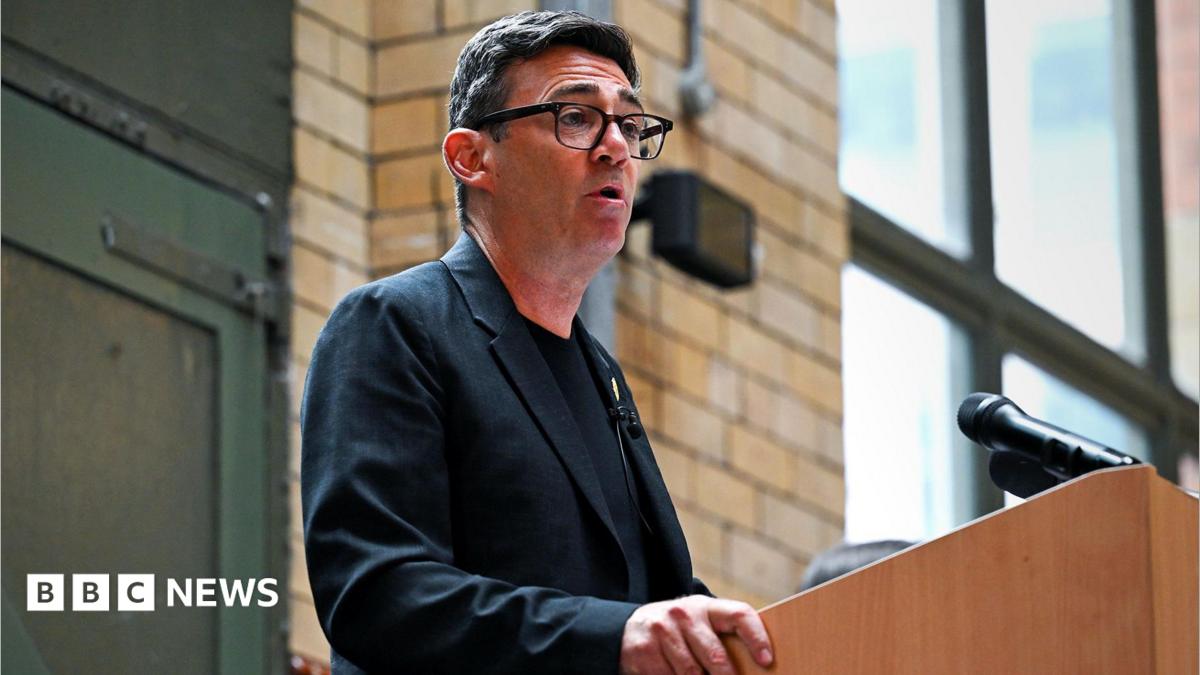

Ahead of the conference debate, Prospect General Secretary Mike Clancy criticized the previous administration's framework.
"Keir Starmer’s ‘red lines’ placed unnecessary constraints on EU talks, which made a good deal for Britain harder to obtain. The new Prime Minister should chart his own course on Europe, reject the overtures from Team Trump to dump consumer, worker, and environmental protections, and explore all avenues to increase cooperation on trade, defence and other key issues including through closer integration with the single market."
Mike Clancy, General Secretary, Prospect, via The i Paper
The debate over Europe coincides with broader structural adjustments across Whitehall following Burnham's transition to Downing Street after winning the Makerfield by-election. Having previously dialed down his pro-European rhetoric on the campaign trail in a constituency that voted heavily to leave the European Union, the Prime Minister is now navigating competing demands from grassroots members, cabinet ministers, and external stakeholders. As reported by the Daily Express, political tensions were further heightened during a parliamentary exchange when European Relations Minister Hamish Falconer repeatedly declined to rule out putting EU rejoining on the ballot at a future general election.
Concurrently, the government is exploring a major diplomatic and economic package with European counterparts. According to The Independent, Whitehall is weighing proposals to slash university tuition fees for European students down to the level paid by domestic students. In return, the UK seeks integration into the EU’s post-Brexit 'Made in Europe' industrial program, a protectionist initiative designed to shield European manufacturing from external competition. Russell Group estimates cited in the reporting suggest that moving to home fees could cost the higher education sector substantial sums, while the overall state outlay could reach significant figures annually.
| Proposal / Policy Area | Estimated Financial or Policy Impact | Source Reference |
|---|---|---|
| EU Student Tuition Fees | Up to £450m a year in potential costs for cheaper fees; university sector estimates exceed £500m. | The Independent |
| High Street Pub Business Rates | Pledged 20 percent cut in business rates to support local hospitality venues. | LabourList / BBC |
Away from European policy, Burnham has outlined a radical domestic agenda centered on regional devolution. In his first major address at the People's History Museum, detailed by the BBC, he announced the creation of a 'No 10 North' Downing Street team based in Manchester. The initiative aims to shift administrative authority away from Whitehall civil servants and empower local mayors across essential services including transport, energy, and housing.
Opposition figures have sharply criticized both the devolution plans and the broader direction of the new administration. Conservative leader Kemi Badenoch argued that regional decentralization amounts to politicians passing difficult problems downward without providing adequate tools. Meanwhile, Liberal Democrat leader Sir Ed Davey and Reform UK leader Nigel Farage offered contrasting critiques, with the Liberal Democrats urging a decisive break with past Brexit policies and Reform raising concerns over administrative friction between northern and southern government centers.
Political calculations regarding public spending and taxation continue to shape the wider policy landscape. As outlined by LabourList, Burnham has faced scrutiny over welfare reform, employer national insurance contributions, and potential adjustments to agricultural inheritance tax following representations from the National Farmers' Union. While pledging adherence to core manifesto commitments on income tax and VAT, the Prime Minister has indicated a willingness to review specific fiscal burdens on small businesses and high street traders.
Uncertainty also surrounds the government's wider legislative timetable. The Irish News reported that Burnham acknowledged his anticipated 10-year strategic plan for the country could slip from its initial December briefing schedule into the new year, amid internal Whitehall warnings against administrative delay.
As the political parties prepare for their upcoming conference season, attention will turn to the floor of the TUC Congress and subsequent ministerial meetings in Brussels. Observers will be closely watching whether the government moves to amend its official stance on European integration or maintains its stated reliance on negotiated trade adjustments within existing boundaries.
How significant is this development?
Contribute your assessment to the aggregated reader sentiment ledger.
Frequently Asked Questions
Key questions answered in this reportWhat is the key development in: Andy Burnham faces union pressure to ditch Labour Brexit red lines?
Prime Minister Andy Burnham faces an immediate leadership test as trade unions push to dismantle strict post-Brexit red lines inherited from Sir Keir Starmer.
Why is this Politics development significant for the UK?
This report covers critical events in our Politics beat. Independent reporting monitors related UK statements, regulatory shifts, and public responses as further verified details emerge.
How was this reporting corroborated and verified?
Newsarchy UK compiles and cross-references reporting from primary reporting from Daily Express and cross-checked wire reports. All coverage adheres to published editorial standards.
When was this report published?
This briefing was published on November 7, 2026 and is permanently cataloged in the Newsarchy UK Politics archives.


