Britain's Debt Crisis in Statejacket Report Calls for State Reshaping
A major Ukonward report warns that Britain faces severe financial risk due to an overmighty statejacket, surging national debt, and collapsing NHS dentistry.
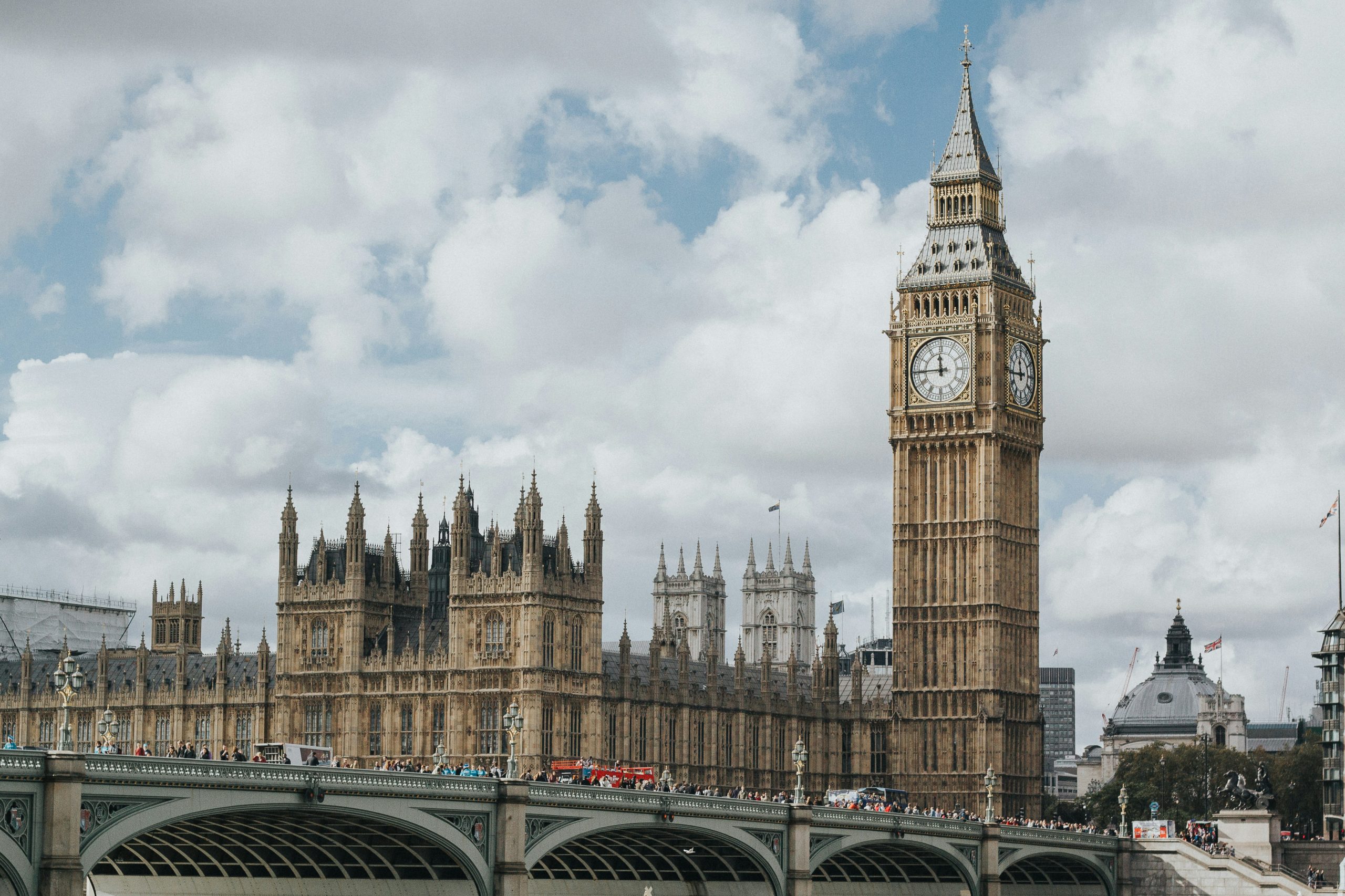
- Core Development: A major Ukonward report warns that Britain faces severe financial risk due to an overmighty statejacket, surging national debt, and collapsing NHS dentistry.
- Beat Context: Categorized under Politics with independent corroboration.
- Reporting Depth: 3 minute analytical read synthesized from verified newsroom sources.
Britain faces a severe structural and fiscal reckoning as soaring public debt collides with deepening crises across core public services, according to comprehensive new policy analysis and investigative reporting. A major new report from the think tank Ukonward warns that the nation is at grave risk of financial insolvency, trapped within an overmighty "statejacket" that stifles economic growth, inflates public borrowing, and leaves ministers unable to control spiraling departmental spending.
The warnings arrive as the nation grapples with a political landscape where public spending has consistently outstripped economic output. According to reporting highlighted by Ukonward, the state's share of the UK economy generally hovered around 40% of GDP for decades, but spiked during the pandemic to 53%. Unlike past historical crises, such as the 1976 International Monetary Fund intervention or the 2008 financial crash, the post-Covid expansion of the state has become permanent. The Office for Budget Responsibility warns that debt-to-GDP ratios could reach extreme highs over the coming decades unless productivity and spending trajectories undergo radical correction.
Media additions

Compounding the fiscal strain is a massive proliferation of arm's-length bodies. Ukonward notes that central government public bodies have expanded significantly over the past decade, with newly elected administrations continuing to establish fresh quangos even amid pledges to trim the state. Critics point out that these bodies often pay higher wages than core civil service bands, draining talent from parent departments while creating convoluted internal lobbying loops that run counter to unified government policy.
At the sharp end of public service delivery, the consequences of constrained funding and structural misalignment are keenly felt by citizens. Reporting by the BBC reveals that NHS dentistry is in an acute state of decay, evidenced by desperate scenes of patients queuing in the early hours outside newly opened practices in cities like Bristol. Health analysts warn that without fundamental structural intervention, comprehensive NHS dental care is effectively gone in large parts of the country.
Data illustrates a profound shift in how dental care is accessed and funded across the UK. According to consultancy figures cited in the BBC report, private dental care spending climbed from a minority share of the market to a commanding majority in recent years. Watchdogs and patient representatives report soaring complaints regarding cost and availability, forcing low-income households either to forgo necessary dental work or take on expensive private care.
| Sector / Metric | Historical Baseline | Recent / Projected Figure |
|---|---|---|
| Private dental care market share | 14% (1990) | 69% (2024) |
| Public sector net debt trajectory | 80% of GDP (2010s) | 90–100% of GDP (since 2020) |
| Central government public bodies | 474 (decade ago) | 603 (recent count) |
Disagreements persist among policymakers and medical unions regarding the appropriate remedy. While the government has introduced incremental reforms—such as ring-fencing portions of dental contracts for emergency care and pledging additional training places—sector representatives remain deeply skeptical. The British Dental Association has condemned existing contractual frameworks, arguing that current remuneration models penalize dentists who take on high-risk or complex patient cases.
Broader political debates also intersect with these fiscal challenges across our Politics coverage. While think tanks and business groups debate the long-term viability of universal welfare commitments and index-linked state pensions, ministers face mounting pressure from creditors and financial markets. Ukonward warns that Britain currently pays more than any other G7 economy simply to finance its national debt, baking a severe risk premium into public borrowing.
What happens next depends on upcoming fiscal events and government policy reviews. Ministers have pledged to review every quango and reform NHS contractual obligations before the next parliamentary cycle, while watchdog inquiries into private healthcare pricing continue. Whether these measures can successfully break open the statejacket or merely tinker at the edges remains the central question facing Britain's public finances.
How significant is this development?
Contribute your assessment to the aggregated reader sentiment ledger.
Frequently Asked Questions
Key questions answered in this reportWhat is the key development in: Britain's Debt Crisis in Statejacket Report Calls for State Reshaping?
A major Ukonward report warns that Britain faces severe financial risk due to an overmighty statejacket, surging national debt, and collapsing NHS dentistry.
Why is this Politics development significant for the UK?
This report covers critical events in our Politics beat. Independent reporting monitors related UK statements, regulatory shifts, and public responses as further verified details emerge.
How was this reporting corroborated and verified?
Newsarchy UK compiles and cross-references reporting from primary reporting from BBC and cross-checked wire reports. All coverage adheres to published editorial standards.
When was this report published?
This briefing was published on September 24, 2026 and is permanently cataloged in the Newsarchy UK Politics archives.


