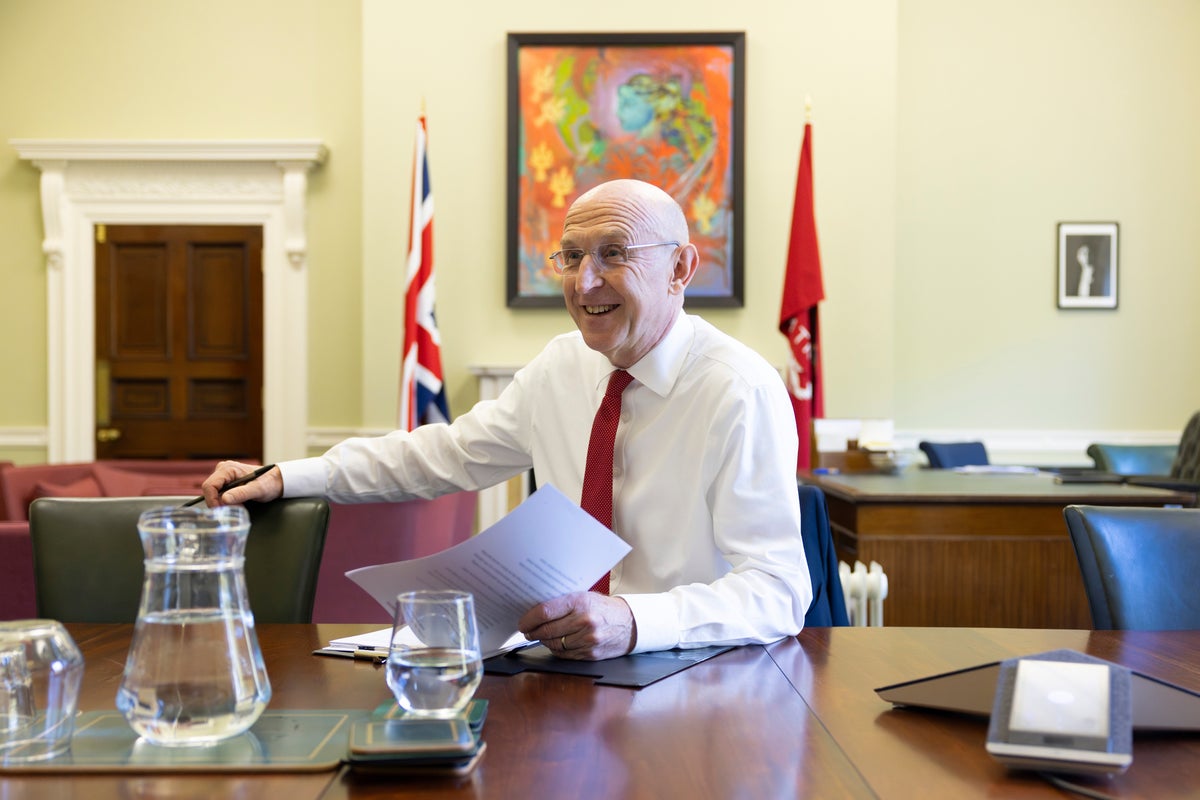
John Healey unveils energy bill cuts and fuel duty freeze in first Budget
Chancellor John Healey delivers his first Budget, introducing targeted cost-of-living relief, energy bill cuts, and a 16th consecutive fuel duty freeze.

- Core Development: Chancellor John Healey delivers his first Budget, introducing targeted cost-of-living relief, energy bill cuts, and a 16th consecutive fuel duty freeze.
- Beat Context: Categorized under Politics with independent corroboration.
- Reporting Depth: 3 minute analytical read synthesized from verified newsroom sources.
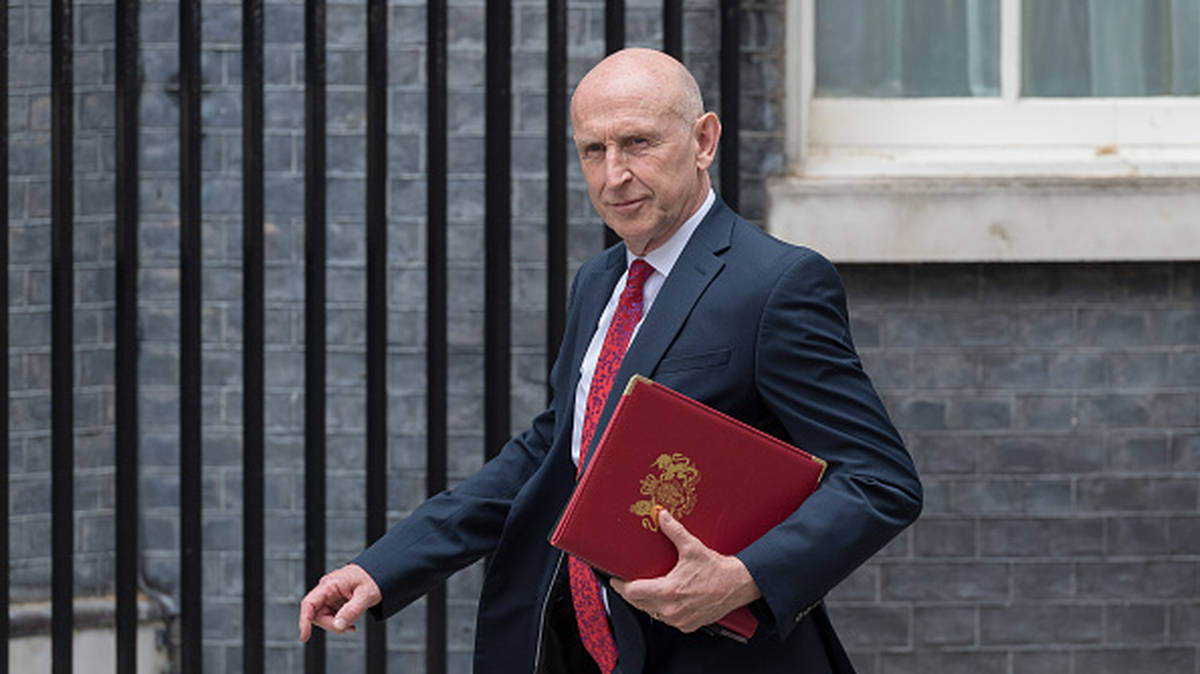
Chancellor John Healey is set to deliver his first Budget from the House of Commons despatch box on Wednesday, introducing a package of targeted cost-of-living relief, energy bill cuts, and regional devolution measures against a difficult economic backdrop, according to primary reporting and official statements.
Prime Minister Andy Burnham and Mr Healey have framed the announcement as a "breathing space" Budget designed to ease everyday expenses while laying groundwork for long-term economic growth across every postcode. In a video message released ahead of the statement, Mr Healey claimed his Budget would provide breathing space for today and fresh hope for the future, while acknowledging that the world is an uncertain place where conflicts abroad push up energy prices and place pressure on families, businesses, and public finances.
Media additions

| Economic Indicator | Current Figure / Projection | Context |
|---|---|---|
| National Debt | > £3 Trillion | Surpassed £3 trillion for the first time in history |
| Fiscal Headroom | ~ £12 Billion to £23.6 Billion | Estimated halved buffer against fiscal rules according to think tanks |
According to reports in Lbc and The Mirror, households can expect gas and electricity support, including industry estimates suggesting annual energy costs could be cut by between £22 and £50. Ministers have also been instructed to examine scrapping standing charges from gas bills. These measures build upon earlier government actions, such as reducing VAT on household electricity bills from 5% to zero, saving a typical household £45 annually. Motorists will receive relief as the Chancellor freezes fuel duty for the 16th year at 52p per litre, reversing scheduled increases previously laid out by his predecessor.
The government's pre-Budget package of "everyday fixes" addresses several domestic cost pressures. Unpaid carers facing the Carers Allowance earnings cliff edge will see the system replaced with a taper, ensuring support is reduced by £1 for every £1 earned over the limit rather than being entirely revoked, a change praised by financial expert Martin Lewis in reporting by the Manchester Evening News. Parental pay is extended to over 150,000 additional parents, including self-employed fathers, while tax-free mileage rates are made permanent at 55p per mile for the first 10,000 business miles and increased to 35p thereafter. Furthermore, import tariffs are removed on everyday grocery items like baked beans, chocolate, and gherkins to lower supermarket shopping costs.
Pensioners are set for additional protections, with the new state pension rising by £489 to £13,036 a year from April, pushing it above the frozen £12,570 personal income tax allowance. The Mirror notes that the government will raise the personal allowance for low-income pensioners to match the state pension, shielding nearly one million individuals from income tax. Simultaneously, the minimum wage is projected to rise by nearly 4%, though younger workers aged 18 to 20 will see smaller adjustments compared with previous years, according to updates gathered by Yahoo News.
Regional devolution forms another pillar of the announcements. Local leaders and mayors in England will receive greater financial independence and a £285 million initial allocation next year to end reliance on Whitehall bidding pots, as detailed by Manchester Evening News and The Guardian. Funding to tackle rough sleeping will double with an additional £432 million commitment, bringing total investment to £874 million to offer every rough sleeper a route off the streets before Christmas.
Opposition figures have pushed back against the Chancellor's strategy. Shadow chancellor Andrew Griffith argued that the public finances are on a cliff edge, criticizing the government for delaying a clear road map to bring defence spending to 3% of national income by 2030 until next year's spending review. Liberal Democrats warned against a cautious approach, while Reform UK Treasury spokesman Robert Jenrick accused the administration of failing to control national debt.
As the Chancellor concludes his address in the Commons, attention turns to the Office for Budget Responsibility to assess the revised economic forecasts, while households await the implementation of the announced energy cuts and tax adjustments ahead of the winter months.
How significant is this development?
Contribute your assessment to the aggregated reader sentiment ledger.
Frequently Asked Questions
Key questions answered in this reportWhat is the key development in: John Healey unveils energy bill cuts and fuel duty freeze in first Budget?
Chancellor John Healey delivers his first Budget, introducing targeted cost-of-living relief, energy bill cuts, and a 16th consecutive fuel duty freeze.
Why is this Politics development significant for the UK?
This report covers critical events in our Politics beat. Independent reporting monitors related UK statements, regulatory shifts, and public responses as further verified details emerge.
How was this reporting corroborated and verified?
Newsarchy UK compiles and cross-references reporting from primary reporting from Manchester Evening News and cross-checked wire reports. All coverage adheres to published editorial standards.
When was this report published?
This briefing was published on October 28, 2026 and is permanently cataloged in the Newsarchy UK Politics archives.