Legacy Act: MPs remove conditional immunity measure for Trouble-era crimes
MPs have voted to strip the controversial Legacy Act of immunity provisions for Troubles-era crimes and restore the right to bring new civil claims.
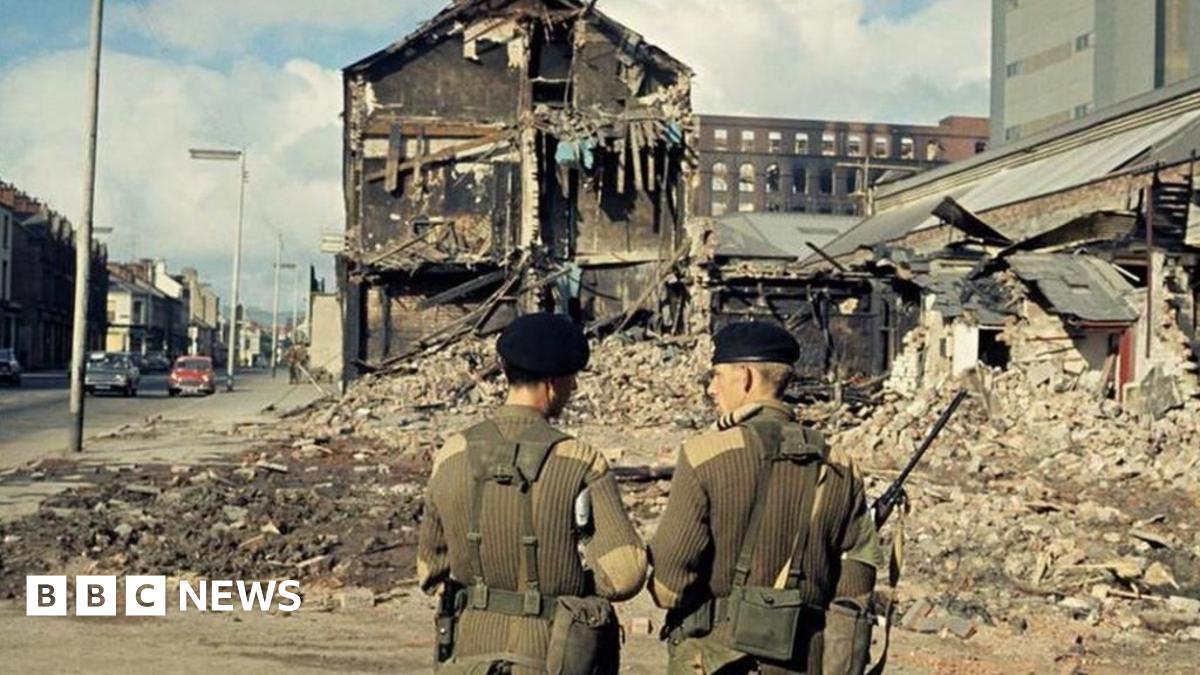
- Core Development: MPs have voted to strip the controversial Legacy Act of immunity provisions for Troubles-era crimes and restore the right to bring new civil claims.
- Beat Context: Categorized under Politics with independent corroboration.
- Reporting Depth: 4 minute analytical read synthesized from verified newsroom sources.
The House of Commons has voted to remove conditional immunity provisions from the Northern Ireland Troubles (Legacy and Reconciliation) Act, a move that also lifts the prohibition on new civil claims linked to the conflict. MPs supported the government remedial order by 373 votes to 106 following a debate in the chamber, according to reports from BBC News. The legislation had been approved under the previous Conservative government in 2023, but it was not enacted before a 2024 High Court ruling in Belfast determined that key parts of the Act breached the European Convention on Human Rights. Following the 2024 general election, incoming Labour ministers dropped an appeal against that ruling.
Under the previous framework, individuals could avoid prosecution for Troubles-era offenses by cooperating with the Independent Commission for Reconciliation and Information Recovery (ICRIR). Secretary of State for Northern Ireland Hilary Benn told MPs that the prior legislation had "fundamentally failed" and that the removal of immunity was necessary to rebuild trust across communities. Benn stated that the government opposed immunity as a matter of principle, arguing that service personnel must abide by the rule of law. Shadow Northern Ireland Secretary Alex Burghart criticized the move as a continuation of political divisions, while Conservative MP Sir Julian Lewis argued that granting immunity to veterans required extending it to all sides. The remedial order will now pass to the House of Lords for debate and approval by peers.
Media additions
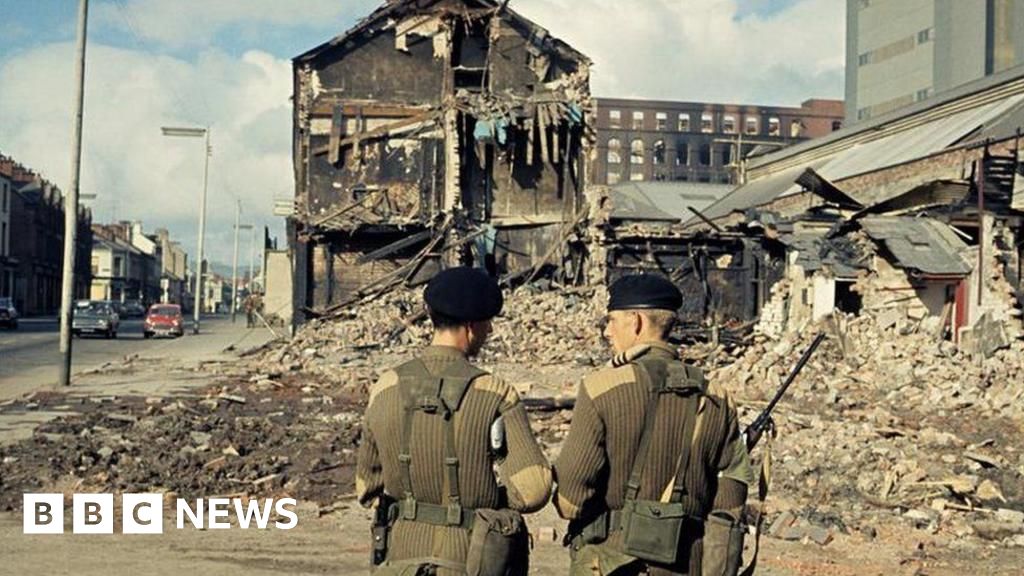

What the Remedial Order Changes
The remedial order specifically targets two areas found to be incompatible with human rights obligations: the uncommenced conditional immunity scheme and the statutory bar on new civil compensation claims. According to government statements, the changes aim to restore the right of citizens to seek redress through the courts. While the immunity provisions are removed, the wider legislative process involves replacing the old Act with new measures, including a legacy commission with Independent oversight and a dedicated legacy unit within the Irish police force, An Garda Síochána. The UK and Irish governments also pledged funding to support victims' participation in the new framework.
| Provision | Before Remedial Order | After Remedial Order |
|---|---|---|
| Conditional immunity for information‑givers | Allowed | Removed |
| Bar on new civil claims | In place | Removed |
Unionist politicians strongly opposed the remedial order. Democratic Unionist Party (DUP) leader Gavin Robinson criticized the lack of prior consultation with victims and veterans, questioning how the police and courts would manage the financial and administrative burden of resumed civil litigation. Traditional Unionist Voice leader Jim Allister described the involvement of the Irish government in co-designing the framework as an unacceptable compromise. Conversely, Sinn Féin leaders Michelle O'Neill and Mary Lou McDonald stated that any new framework must be strictly victim-centred and human rights-compliant, noting that their party would scrutinize the exact text of the upcoming legislation.
Victims’ Voices and Political Reactions
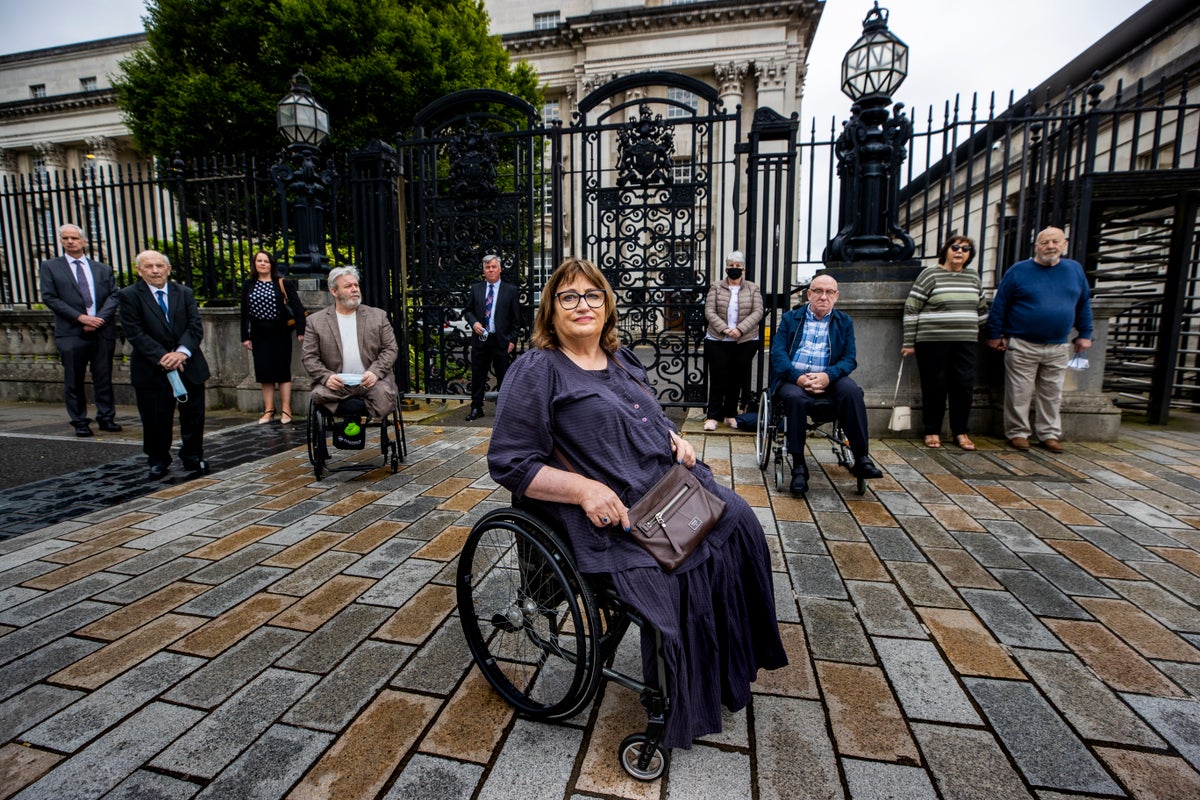
Reactions among victims' families and advocacy groups remained sharply divided. Sandra Peake of the Wave Trauma Centre previously warned that immunity provisions risked placing power in the hands of perpetrators rather than families. Other campaigners, such as Margaret McGuinness and Shane Laverty, expressed cautious hope for honest investigations into relatives' deaths while remaining skeptical about whether truth recovery would succeed. Former soldier David Crabbe welcomed general progress on legacy cases but called for fairness, arguing that past inquiries had disproportionately scrutinized security forces compared to those who attacked them.
Social Democratic and Labour Party (SDLP) leader Claire Hanna welcomed the end of the immunity clause as a step toward restoring the rule of law, though she cautioned against potential shortcomings such as the closure of inquests. Alliance MP Sorcha Eastwood supported the remedial order, insisting that standards of justice should not be lowered. Meanwhile, representatives from the United States government and church leaders in Ireland welcomed the bilateral co-operation between the UK and Dublin as an important foundation for stability under the Good Friday Agreement.
What Happens Next?
The remedial order must now be approved by the House of Lords before the legislative changes become official. Once enacted, former military personnel and other individuals accused of Troubles-related crimes may face prosecution, and citizens will regain the right to pursue civil claims. The UK government continues to draft broader replacement legislation alongside ongoing parliamentary debate, a process that victims' groups, veterans, and political representatives in Northern Ireland will monitor closely in the coming weeks.
How significant is this development?
Contribute your assessment to the aggregated reader sentiment ledger.
Frequently Asked Questions
Key questions answered in this reportWhat is the key development in: Legacy Act: MPs remove conditional immunity measure for Trouble-era crimes?
MPs have voted to strip the controversial Legacy Act of immunity provisions for Troubles-era crimes and restore the right to bring new civil claims.
Why is this Politics development significant for the UK?
This report covers critical events in our Politics beat. Independent reporting monitors related UK statements, regulatory shifts, and public responses as further verified details emerge.
How was this reporting corroborated and verified?
Newsarchy UK compiles and cross-references reporting from primary reporting from BBC and cross-checked wire reports. All coverage adheres to published editorial standards.
When was this report published?
This briefing was published on September 9, 2026 and is permanently cataloged in the Newsarchy UK Politics archives.