Reform UK proposes benefits ban for foreign nationals to save £21bn
Reform UK has unveiled a plan to bar foreign nationals from most British welfare payments in a bid to save £21 billion annually, drawing fierce criticism from political rivals and economic analysts.
- Core Development: Reform UK has unveiled a plan to bar foreign nationals from most British welfare payments in a bid to save £21 billion annually, drawing fierce criticism from political rivals and economic analysts.
- Beat Context: Categorized under Politics with independent corroboration.
- Reporting Depth: 3 minute analytical read synthesized from verified newsroom sources.
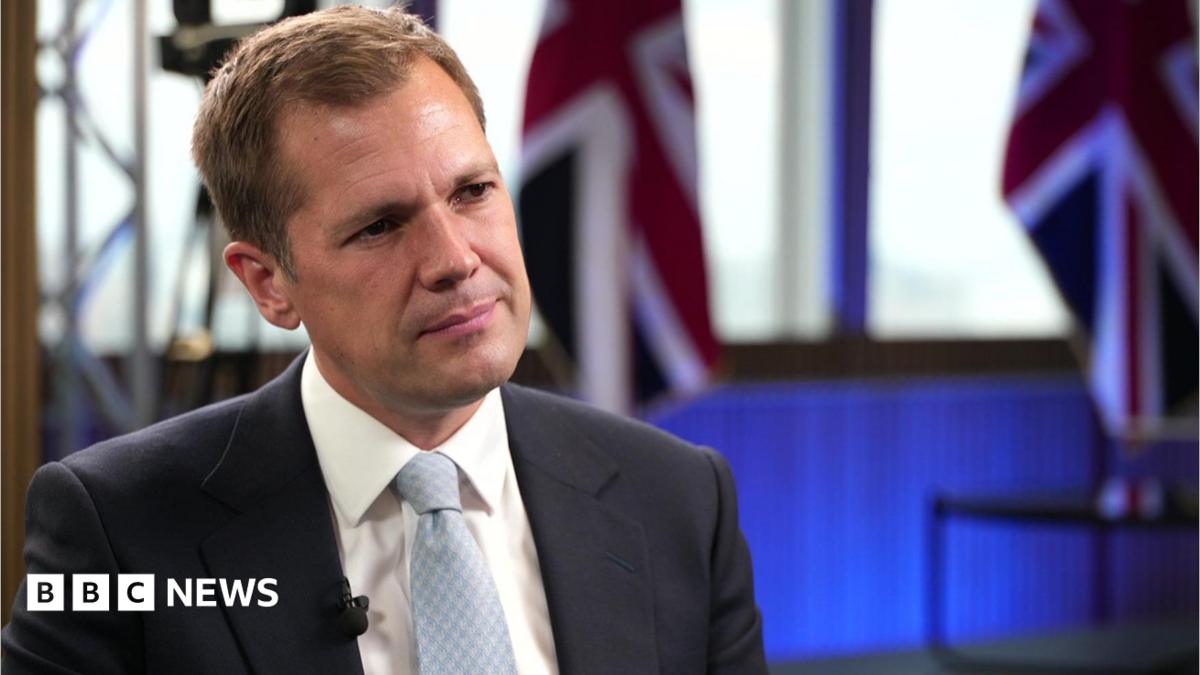
Reform UK has unveiled a sweeping package targeting the British social security system, proposing to exclude foreign nationals from most welfare payments. According to the party's treasury spokesman Robert Jenrick, speaking on Monday, 17 August 2026, the strategy is designed to restore fairness to a system where the British taxpayer is acting as the welfare state for the world
.
The proposals form part of a 50-page plan drawn up over a six-month period. Reform claims the overall document will yield £50 billion in annual savings. Within that package, the party targets a £21 billion annual saving within five years by stripping foreign nationals of access to almost all welfare payments. The affected list includes housing benefit, pension credit, jobseeker's allowance, child benefit, free childcare, and disability benefits. Only a narrow set of exemptions would remain, such as war widows' pensions and Armed Forces compensation.
The restrictions would apply directly to European Union nationals with settled status in the UK. These individuals currently hold an indefinite right to live, work, and study after completing a continuous five-year period. Implementing the ban would necessitate a formal renegotiation of the UK's Brexit deal secured by the previous Conservative government. Figures published in 2025 indicated that more than a million Universal Credit claimants were born overseas, including roughly 700,000 EU citizens who arrived prior to Brexit. Reform claims that by 2029, around 1.5 million adults who are not British citizens would receive Universal Credit and roughly 215,000 would receive PIP.
The announcement has sparked immediate political fallout. Labour criticised the proposals for threatening to plunge the nation into years of renewed Brexit renegotiations while stripping support from individuals who have lawfully lived, worked, and paid taxes in Britain for years. Helen Whately, the Conservatives' shadow pensions secretary, dismissed the strategy as cobbled together, asserting that the public wants spending kept under control without manufactured disputes over Europe. Meanwhile, the Liberal Democrats argued that fixing the NHS and social care remains key to slashing the benefits bill, and the Greens condemned the plans as an attack on the defenceless.
Economic analysts have raised doubts about the feasibility of the projected savings. The Institute for Fiscal Studies noted that the bulk of the intended savings relies on a tougher disability needs assessment. However, the think tank cautioned that the plans lack concrete detail on how they will avoid the shortfalls that plagued past government attempts to tighten the same systems. Linda Burnip, co-founder of Disabled People Against Cuts, warned that crude attempts to deny payments to disabled individuals ignore how small preventative outlays prevent massive downstream costs to the public purse.
The risk of international retaliation has also emerged as a central concern. Because EU nationals with settled status would lose their benefit eligibility, Reform UK MP Danny Kruger acknowledged that European governments might apply the same principle to British expatriates living abroad. Kruger suggested that affected Britons could either return to the UK or rely on bilateral negotiations for continued payouts. Reform stated it has accounted for a potential £500 million expense to absorb returning expatriates.
Beyond the foreign national ban, the policy document outlines a mandatory welfare-to-work initiative. Individuals claiming benefits for more than twelve months who are deemed fit to work would be required to complete 20 hours a week of community tasks organised by local councils, such as cleaning high streets or maintaining local libraries. Failure to comply would trigger benefit sanctions. Additionally, businesses employing more than five staff members would face a mandatory insurance requirement to fund the initial two years of sick leave for signed-off employees, modelled loosely on a Dutch framework.
How significant is this development?
Contribute your assessment to the aggregated reader sentiment ledger.
Frequently Asked Questions
Key questions answered in this reportWhat is the key development in: Reform UK proposes benefits ban for foreign nationals to save £21bn?
Reform UK has unveiled a plan to bar foreign nationals from most British welfare payments in a bid to save £21 billion annually, drawing fierce criticism from political rivals and economic analysts.
Why is this Politics development significant for the UK?
This report covers critical events in our Politics beat. Independent reporting monitors related UK statements, regulatory shifts, and public responses as further verified details emerge.
How was this reporting corroborated and verified?
Newsarchy UK compiles and cross-references reporting from primary reporting from bbc.co.uk and cross-checked wire reports. All coverage adheres to published editorial standards.
When was this report published?
This briefing was published on August 17, 2026 and is permanently cataloged in the Newsarchy UK Politics archives.