Reform UK wins hundreds of seats and Essex control in 2026 local elections
Reform UK secured significant victories and control of Essex County Council in the 2026 local elections, dealing a severe blow to Prime Minister Sir Keir Starmer's Labour Party.

- Core Development: Reform UK secured significant victories and control of Essex County Council in the 2026 local elections, dealing a severe blow to Prime Minister Sir Keir Starmer's Labour Party.
- Beat Context: Categorized under Politics with independent corroboration.
- Reporting Depth: 4 minute analytical read synthesized from verified newsroom sources.
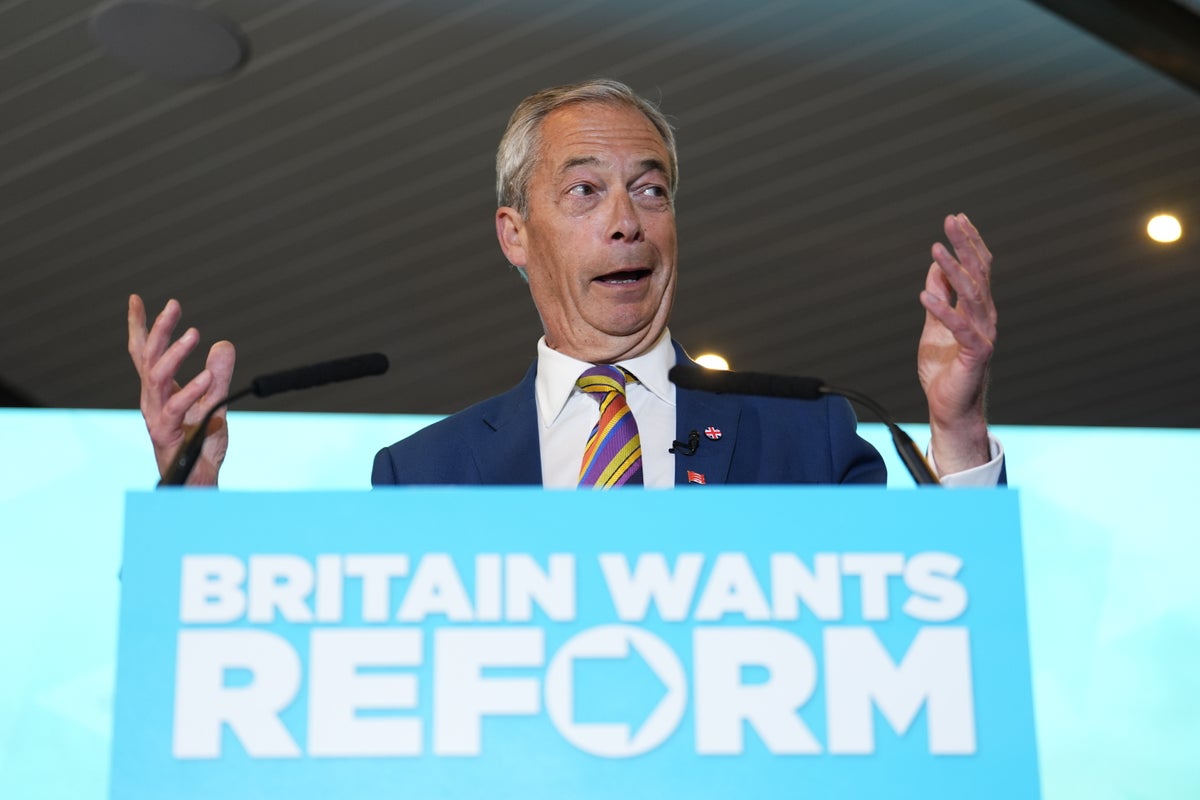
The political map of the United Kingdom has been fundamentally redrawn following the 2026 local elections, held on Thursday, 7 May 2026. Reform UK emerged as a dominant force by capturing hundreds of council seats and securing historic control of Essex County Council, according to election analysts and primary reporting. The seismic results mark a severe blow to Prime Minister Sir Keir Starmer’s governing Labour Party, which suffered historic losses across England, Wales, and Scotland.
According to data compiled by The Independent, Reform UK built decisively upon its 2025 breakthrough by securing 1,431 council seats after entering the contest defending only three. Nigel Farage’s party topped the national equivalent vote share in several areas, drawing support equally from disillusioned former Labour voters in northern heartlands like Hartlepool and Burnley, and former Conservative voters in southern strongholds. Alia Middleton, Senior Lecturer in Politics at the University of Surrey, observed via The Conversation that Reform UK’s capture of Essex County Council—where several members of Conservative leader Kemi Badenoch’s shadow cabinet hold parliamentary seats—proves the party is successfully consolidating support in areas historically loyal to the Tories.
Media additions
The electoral collapse for Labour was described by psephologists as unprecedented for a governing administration. Defending roughly 5,000 seats across England, Labour lost nearly 1,500 seats and surrendered control of 36 local authorities, dropping its total number of controlled councils to 28. Long-standing northern and midland strongholds such as Barnsley, Gateshead, Sunderland, and Wakefield fell away after decades of unbroken control. Karl Pike, Senior Lecturer in Public Policy at Queen Mary University of London, noted via The Conversation that Prime Minister Starmer is now in a vulnerable "lame duck" position, with internal party division complicating any potential leadership succession.
| Party | 2026 National Equivalent Vote Share | Change from Previous Cycle | Total Seats / Councils Won |
|---|---|---|---|
| Reform UK | 27% | -5% | 1,431 seats (24 councils) |
| Conservative Party | 20% | +2% | Significant regional retention |
| Labour Party | 15% | -19% | 28 councils retained |
| Green Party | 14% | +7% | 440 net seat gains |
| Liberal Democrats | 14% | -2% | 41 majority councils |
The Green Party also capitalized on widespread dissatisfaction with the traditional two-party system. Louise Thompson, Senior Lecturer in Politics at the University of Manchester, highlighted via The Conversation that the Greens secured landmark mayoral victories with Zoë Garbett in Hackney and Liam Shrivastava in Lewisham, alongside strong surges in urban centers like Manchester and Newcastle. Meanwhile, the Liberal Democrats consolidated their position in leafy district councils, holding majority control across 41 local authorities, according to Local Government Chronicle analysis.
Constitutional upheaval was equally pronounced outside of England. Stephen Clear, Lecturer in Constitutional and Administrative Law at Bangor University, pointed out via The Conversation that the Senedd operated under a new 96-seat proportional representation system. Labour conceded defeat early, losing power for the first time since Welsh devolution began in 1999 and finishing with only nine Members of the Senedd. Outgoing First Minister Eluned Morgan lost her own seat, describing the outcome as catastrophic. Plaid Cymru emerged as the largest party with 43 MSs, setting the stage for complex multi-party coalition negotiations led by Rhun ap Iorwerth. In Scotland, John Swinney’s Scottish National Party remained the largest party at Holyrood without securing an absolute majority, while the Scottish Greens made historic gains in constituency contests.
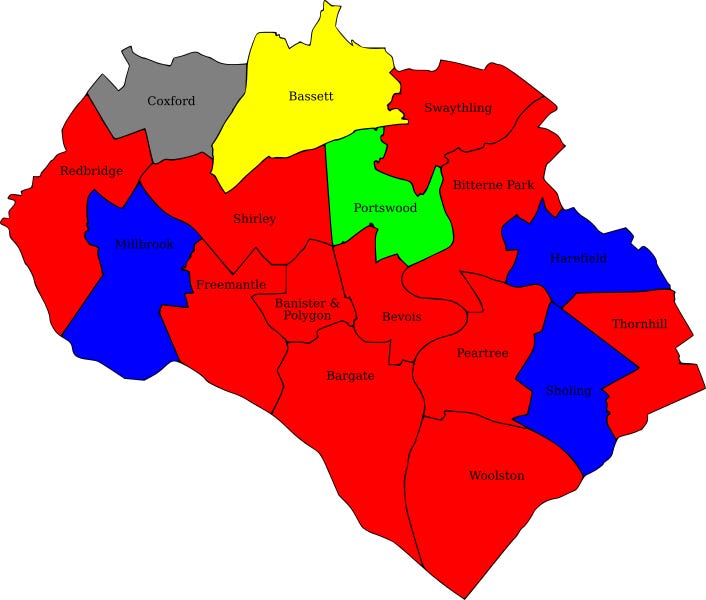
Commentators note that the rise of five-party politics has left numerous local authorities split across multiple political factions, raising questions about administrative stability. Andrew’s Previews detailed extensive ward-level fragmentations across regions like the South East, where councils such as West Oxfordshire and Cherwell rely on precarious minority coalitions or multi-party arrangements. Ceri Fowler, Career Development Fellow in Comparative Politics at the University of Oxford, warned via The Conversation that the decline of left-leaning parties risks reducing female representation in local government, given that Reform UK fielded a significantly lower proportion of women and non-binary candidates than competitors like the Labour Party and Greens.
As political leaders digest the ballot box verdicts, attention turns immediately to Westminster and the devolved parliaments to see whether minority administrations can forge workable governance agreements. Further updates on leadership challenges, council investitures, and local policy shifts will follow in our Politics coverage.
How significant is this development?
Contribute your assessment to the aggregated reader sentiment ledger.
Frequently Asked Questions
Key questions answered in this reportWhat is the key development in: Reform UK wins hundreds of seats and Essex control in 2026 local elections?
Reform UK secured significant victories and control of Essex County Council in the 2026 local elections, dealing a severe blow to Prime Minister Sir Keir Starmer's Labour Party.
Why is this Politics development significant for the UK?
This report covers critical events in our Politics beat. Independent reporting monitors related UK statements, regulatory shifts, and public responses as further verified details emerge.
How was this reporting corroborated and verified?
Newsarchy UK compiles and cross-references reporting from primary reporting from Andrew’s Previews and cross-checked wire reports. All coverage adheres to published editorial standards.
When was this report published?
This briefing was published on September 19, 2026 and is permanently cataloged in the Newsarchy UK Politics archives.