Astana exhibition showcases 30 stories of UN-backed change
An exhibition opened at Kazakhstan's National Museum featuring stories of individuals whose personal journeys reflect international development goals.
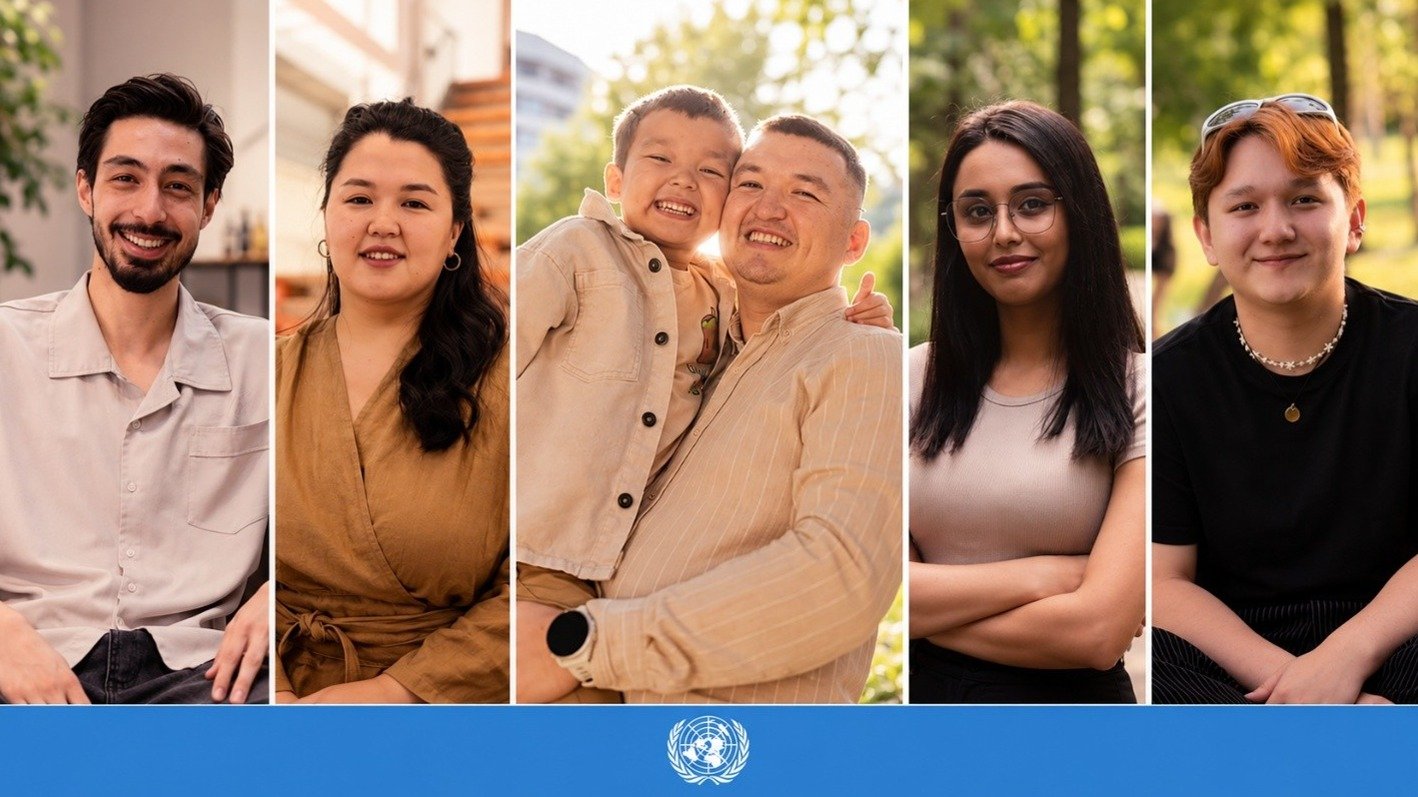
- Core Development: An exhibition opened at Kazakhstan's National Museum featuring stories of individuals whose personal journeys reflect international development goals.
- Beat Context: Categorized under Transport with independent corroboration.
- Reporting Depth: 3 minute analytical read synthesized from verified newsroom sources.
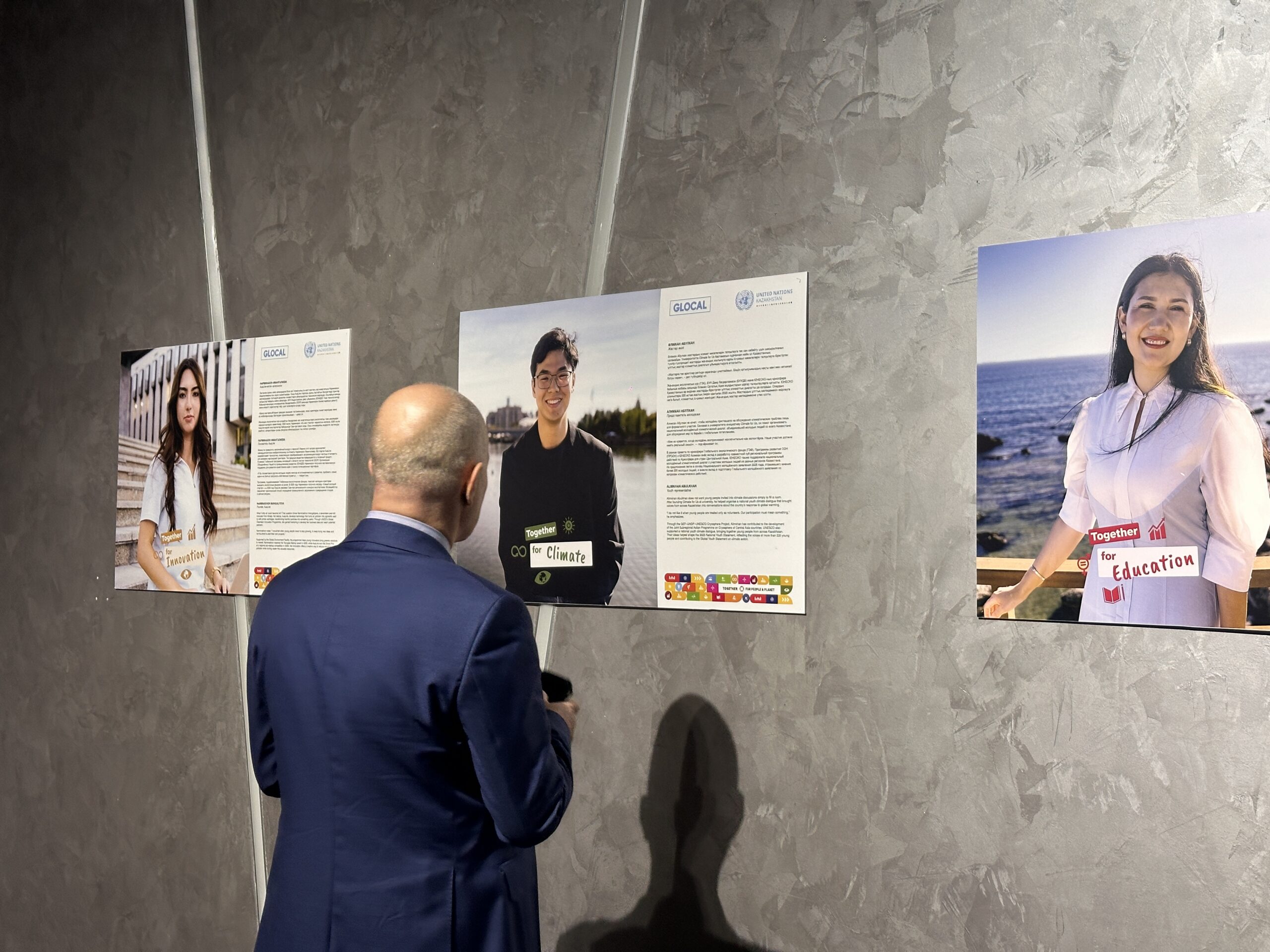
Global goals have met everyday lives at a newly opened exhibition in the heart of Kazakhstan's capital, where portraits of ordinary people whose personal journeys reflect international development aims are currently on display. According to reporting from Qazinform, the exhibition brings together photography and multimedia elements to showcase how international objectives translate into local realities, ranging from professional training opportunities to domestic safety initiatives and health care advocacy.
The name of the showcase merges global and local concepts, illustrating how international targets become practical solutions across communities. Reporting by The Astana Times notes that the exhibition opened on 21 October 2026 at the National Museum of Kazakhstan. It features individuals from Astana, Almaty, Shymkent, and Kyzylorda, alongside the Karagandy, Akmola, Turkistan, and Mangystau regions.
Media additions
Among those featured is Zeenat Muznabi, who arrived in Kazakhstan as a child after fleeing conflict in Afghanistan. Supported by a government scholarship provided under commitments made at the Global Refugee Forum, she graduated with a degree in Information Technology from Al-Farabi Kazakh National University. Today, she coordinates fundraising for the Kazakhstan Red Crescent. Another participant, Armin Talebi, also came to Kazakhstan from Afghanistan as a child and is now studying plastic and reconstructive surgery through a scholarship supported by the Office of the UN High Commissioner for Refugees, while also advocating for refugee inclusion.
Other personal histories focus on safety and equality. Aruzhan Mede developed a startup named AMAN, which uses artificial intelligence to identify potentially dangerous situations through security cameras in public spaces, following training through a UN Women entrepreneurship program. Meanwhile, lawyer Didar Smagulov works on responsible fatherhood as a United Nations Population Fund trainer, promoting shared household responsibilities. Seventeen-year-old Konstantin Tsoy joined the Y-PEER youth network at a young age to educate peers on reproductive health, rights, and gender equality.
| Participant | Focus Area | Supporting Program / Organization |
|---|---|---|
| Zeenat Muznabi | IT and Humanitarian Fundraising | Government Scholarship / Kazakhstan Red Crescent |
| Armin Talebi | Plastic and Reconstructive Surgery | DAFI Scholarship / UNHCR |
| Aruzhan Mede | AI-Powered Public Safety Startup | UN Women Entrepreneurship Program |
| Didar Smagulov | Responsible Fatherhood & Legal Advocacy | UNFPA Trainer / Adildik Zholy |
| Konstantin Tsoy | Youth Health & Rights Education | Y-PEER Network / UNFPA |
The exhibition focuses on five pillars of the UN's agenda: people, planet, prosperity, peace, and partnership. Officials speaking at the opening ceremony underscored the connection between international policy and regional action. Kazakhstan's First Deputy Foreign Minister Yerzhan Ashikbayev noted that the theme shows how much connecting the global agenda with national priorities in regions, cities, and rural communities, as reported by both Qazinform and The Astana Times. Ashikbayev also highlighted water security as a regional priority and pointed to the establishment of the UN Regional Center for Sustainable Development Goals for Central Asia and Afghanistan in Almaty as a significant milestone.
UN Resident Coordinator in Kazakhstan Sarangoo Radnaaragchaa stressed that sustainable development must be built alongside local communities rather than merely delivered to them, pointing to shared challenges that no single country can address alone. Chinwe Ogbonna, the United Nations Population Fund country representative in Kazakhstan, added that while the country has made progress toward sustainable development goals, persistent inequalities and climate-related challenges remain, requiring continued economic inclusivity and strengthened partnerships.
As the exhibition continues its run, participants remain engaged in their respective fields—from humanitarian coordination and medical studies to technology development and youth advocacy—while national and international bodies advance their cooperation framework spanning the coming years.
How significant is this development?
Contribute your assessment to the aggregated reader sentiment ledger.
Frequently Asked Questions
Key questions answered in this reportWhat is the key development in: Astana exhibition showcases 30 stories of UN-backed change?
An exhibition opened at Kazakhstan's National Museum featuring stories of individuals whose personal journeys reflect international development goals.
Why is this Transport development significant for the UK?
This report covers critical events in our Transport beat. Independent reporting monitors related UK statements, regulatory shifts, and public responses as further verified details emerge.
How was this reporting corroborated and verified?
Newsarchy UK compiles and cross-references reporting from primary reporting from qazinform.com and cross-checked wire reports. All coverage adheres to published editorial standards.
When was this report published?
This briefing was published on October 24, 2026 and is permanently cataloged in the Newsarchy UK Transport archives.