Lombardy calls for a state of emergency due to bad weather
Governor Attilio Fontana has requested a formal state of emergency in Lombardy following severe storms, widespread flooding, and landslides.
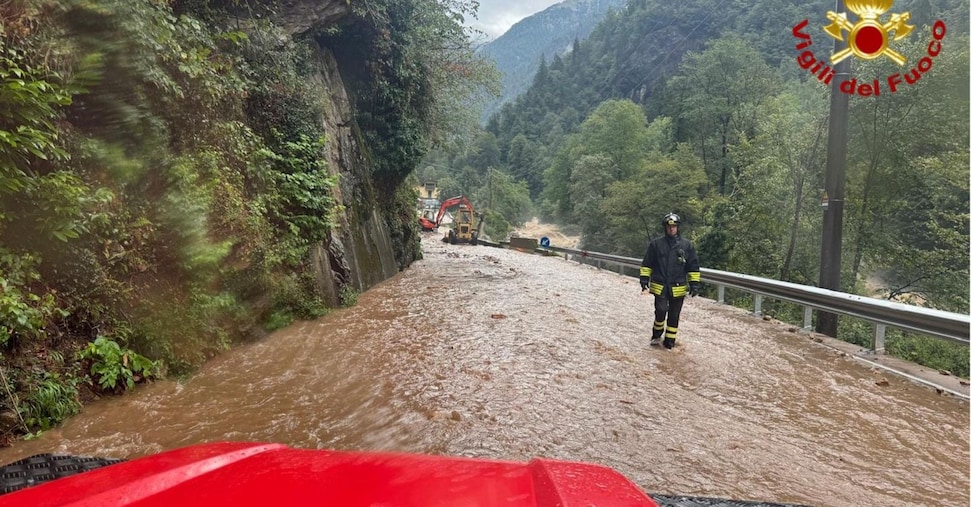
- Core Development: Governor Attilio Fontana has requested a formal state of emergency in Lombardy following severe storms, widespread flooding, and landslides.
- Beat Context: Categorized under Transport with independent corroboration.
- Reporting Depth: 5 minute analytical read synthesized from verified newsroom sources.
Severe weather has swept across Italy, abruptly ending weeks of intense heat and bringing widespread flooding, landslides, building collapses, and electrical storms. The Lombardy region has moved to seek a formal state of emergency as authorities across multiple regions respond to severe infrastructure damage and rescue operations.
Governor Attilio Fontana asked the Minister for Civil Protection, Nello Musumeci, to declare a state of emergency following extensive damage across Lombardy. The president noted that Minister Musumeci assured him the request would be submitted to the Council of Ministers as soon as possible. Governor Fontana tasked regional officials with preparing the formal documentation.
The fire service responded to over 200 call-outs across Lombardy. Val Camonica sustained severe impacts in Sonico, Rino di Sonico, Malonno, and Vione. In Rino di Sonico, a debris flow destroyed a bridge over the Val Rabbia stream, leading to the evacuation of 81 people divided between the Rino di Sonico side and the Garda side. A Forward Command Post was established at Sonico Town Hall. Downstream, the River Oglio flooded part of Malonno, while Special Operations Groups deployed earth-moving machinery to contain the waters and remove debris. In the Brescia province municipalities of Sonico and Malonno, fire crews worked round the clock.
Further disruption hit the Bergamo area, where six municipalities—Valleve, Carona, Foppolo, Branzi, Valbondione, and Gandellino—remained cut off by landslides, flooding, and fallen trees. Across these six areas, 150 people were involved in evacuation operations handled by the fire service. Additionally, around 200 guests at a campsite in Isola di Fondra were evacuated after being threatened by a swollen stream and a landslide. In Valleve, a landslide trapped three people, including two children, in a house before rescue teams intervened. Public broadcaster Rai News reported that a campsite housing a large group of tourists in Lombardy's Brembana Valley was evacuated after flash floods surged through the area, with figures specifying that 250 tourists were evacuated Thursday evening from the Brembana Valley campsite. In the Como area, a stream burst its banks in Domaso, disrupting traffic along the SS340 Regina, while the overflowing of the Forni reservoir in the Sondrio province caused the collapse of a footbridge. Thunderstorms remained ongoing over Milan.
Central Italy faced extraordinary electrical activity and heavy precipitation. Tuscany experienced intense storms accompanied by lightning and high winds. The LaMMa consortium reported that over 23,000 lightning strikes were recorded in Tuscany in a single day, with more than 8,000 occurring during a two-hour window late in the day. Over a 12-hour period, cumulative rainfall reached specific totals across the provinces, including Massa Carrara, Lucca, Grosseto, Siena, Pisa, and Livorno. High-speed wind gusts struck various parts of Tuscany, including the Pisa coast, Florence, Gorgona, Viareggio, and the Arezzo area.
Strong winds caused significant property and transport damage in Tuscany. In Viareggio, a tree fell onto parked cars on Via Zanardelli, while a large tree fell onto the SS 67 Tosco-Romagnola road in Empoli, though no injuries were reported in either incident. Traffic disruptions affected the Florence–Pisa–Livorno road. In Grosseto, a tornado ripped the roof off a building in Stiacciole, prompting fire crews to remove unstable roof tiles and secure a temporary covering. Fire personnel responded to numerous call-outs involving fallen trees, dangerous vegetation, and electrical faults that caused sparks and flashes on panels, pylons, and power lines, with dozens of firefighters deployed across the province. Power outages left approximately 6,000 households without electricity, with a large share of those affected located in the province of Pistoia. State Road 62, known as the Cisa, was temporarily closed by ANAS in both directions on the Tuscan side due to flooding at Villafranca in Lunigiana.
Mountainous and northern regions experienced severe hydrogeological events. In Trentino, the Rio Gabbiolo swelled and burst its banks, sending a two-metre-high torrent of mud and debris down past the Bedole mountain hut in Val Genova. Precautionary road closures prevented injuries or involvement of vehicles and pedestrians. Trentino's Civil Protection Agency had issued a warning valid through midnight. In Liguria, downpours brought heavy rainfall, with intense precipitation recorded in Levanto and Montoggio, alongside lightning strikes. The Aurelia motorway in the Savona area near the Quiliano stream crossing was closed as floodwaters compromised road safety, and an orange weather alert was issued for central and eastern Liguria. Regional President Marco Bucci and Civil Protection Councillor Giacomo Raul Giampedrone monitored operations from the operations centre, noting that the storm system moved rapidly from west to east, avoiding the heavier rainfall totals previously seen in areas like Chiavari.
Friuli Venezia Giulia experienced heavy thunderstorms, hailstorms, and high-speed wind gusts, with winds reaching significant speeds in mountainous areas such as Zoncolan. The regional single emergency number received numerous calls reporting damage and flooding in municipalities including Basiliano, Trasaghis, Ronchi dei Legionari, San Quirino, and San Giorgio della Richinvelda. Precautionary road closures and the deployment of local civil protection volunteers helped prevent more severe damage as the region remained under an orange weather alert.
Regional Impact Summary
- Lombardy: State of emergency requested; bridge destroyed in Rino di Sonico; multiple municipalities cut off in the Bergamo area; hundreds of residents and campsite tourists evacuated.
- Tuscany: Tens of thousands of lightning strikes and high-speed wind gusts recorded; roof torn off a building in Stiacciole; 6,000 households left without power; roads blocked by fallen trees and flooding.
- Trentino: Mudslide descends Val Genova after the Rio Gabbiolo bursts its banks; precautionary road closures prevent casualties.
- Liguria & Friuli Venezia Giulia: Orange weather alerts maintained; emergency services responding to flooding, hailstorms, high winds, and road closures.
Civil protection authorities continue to monitor meteorological developments as further storm fronts threaten additional rainfall. Emergency response teams remain deployed in the worst-hit areas to clear debris, restore damaged infrastructure, and maintain safety monitoring.
How significant is this development?
Contribute your assessment to the aggregated reader sentiment ledger.
Frequently Asked Questions
Key questions answered in this reportWhat is the key development in: Lombardy calls for a state of emergency due to bad weather?
Governor Attilio Fontana has requested a formal state of emergency in Lombardy following severe storms, widespread flooding, and landslides.
Why is this Transport development significant for the UK?
This report covers critical events in our Transport beat. Independent reporting monitors related UK statements, regulatory shifts, and public responses as further verified details emerge.
How was this reporting corroborated and verified?
Newsarchy UK compiles and cross-references reporting from primary reporting from en.yenisafak.com and cross-checked wire reports. All coverage adheres to published editorial standards.
When was this report published?
This briefing was published on August 22, 2026 and is permanently cataloged in the Newsarchy UK Transport archives.