Route 66 marks its centennial after shaping a century of American culture
As Route 66 reaches its centennial milestone, travelers and historians reflect on a century of American culture, music, and cinematic mythology along the iconic corridor.
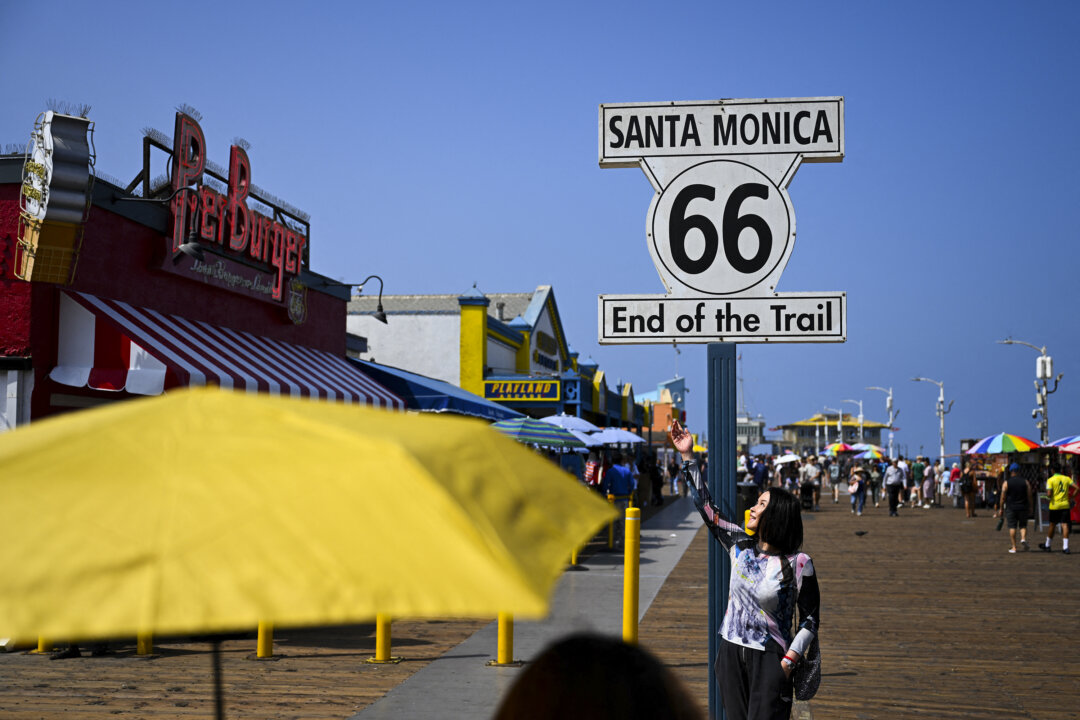
- Core Development: As Route 66 reaches its centennial milestone, travelers and historians reflect on a century of American culture, music, and cinematic mythology along the iconic corridor.
- Beat Context: Categorized under Transport with independent corroboration.
- Reporting Depth: 3 minute analytical read synthesized from verified newsroom sources.
Route 66 marks its centennial after shaping a century of American culture, standing today as a patchwork of preserved roadside Americana, bypassed fragments, and eternal cinematic myth. As the legendary corridor approaches its anniversary milestone, travelers and historians reflect on how a cobbled-together network of county roads, crushed-rock farm paths, and ancient Native American routes transformed into the ultimate symbol of migration, freedom, and escape, according to The Epoch Times.
According to The Epoch Times, the highway's physical footprint exists today in scattered fragments, its golden age as America's Main Street long since fractured by the speed and convenience of contemporary multi-lane expressways. Yet, the imagination and creative works inspired by the route remain remarkably vibrant. Whether viewed through the lens of early mid-century travelers seeking economic refuge or modern wanderers chasing cinematic adventure, the corridor retains its unique grip on the global consciousness.
Media additions

The transformation of Route 66 from disjointed wagon tracks into a unified transcontinental thoroughfare was cemented in the late 1930s. Writers such as John Steinbeck helped forge its permanent mythology, casting the route as the primary migrant road for families fleeing hard times in search of fertile California valleys (The Epoch Times). Later generations of artists reimagined the highway not merely as an escape from hardship, but as an open road toward personal discovery and boundless possibility.
Musical tributes quickly followed the literary embrace. Songwriters and performers captured the spirit of the asphalt through jazz melodies, folk ballads, and rock anthems that name-checked desert crossroads and dusty motels (The Epoch Times). From early radio hits to silver-screen road trips, the cultural gravity of the route drew commercial directors, pop stars, and filmmakers seeking authentic backdrops of isolation and wonder.
| Milestone / Entity | Decade / Year | Significance to Route 66 History |
|---|---|---|
| Initial Route Formation | 1926 | Corridor established by weaving together county roads, trails, and farm paths. |
| Full Paving Completed | 1938 | Entire highway paved from Chicago to downtown Los Angeles. |
| Publication of Migration Novel | 1939 | John Steinbeck solidifies the "Mother Road" moniker in American literature. |
| Musical Debut | 1946 | Bobby Troup's famous road song recorded and popularized on the charts. |
As detailed by The Epoch Times, the physical history of the route spans incredible detail, from its early formation using Native American pathways — including a portion of the Cherokee Trail of Tears in Missouri — to its complete paving linking Chicago to downtown Los Angeles. Its cultural footprint expanded through iconic works such as Jack Kerouac's On the Road
and Bobby Troup's timeless song, which Nat King Cole helped carry to the charts. Filmmakers and artists across generations have utilized desolate locations along the highway, such as Roy's Motel & Cafe in Amboy, California, capturing everything from commercial spots and music videos to classic motion pictures.
Local businesses, regional landmarks, and historical oddities like the Threatt Filling Station, the highway's only known Black-owned service station listed in travel guides during the Jim Crow era, anchor the physical reality of the corridor. Preservationists, roadside attraction creators, and authors like Michael Wallis have continually worked to keep the spirit of the highway alive in the public consciousness.
How significant is this development?
Contribute your assessment to the aggregated reader sentiment ledger.
Frequently Asked Questions
Key questions answered in this reportWhat is the key development in: Route 66 marks its centennial after shaping a century of American culture?
As Route 66 reaches its centennial milestone, travelers and historians reflect on a century of American culture, music, and cinematic mythology along the iconic corridor.
Why is this Transport development significant for the UK?
This report covers critical events in our Transport beat. Independent reporting monitors related UK statements, regulatory shifts, and public responses as further verified details emerge.
How was this reporting corroborated and verified?
Newsarchy UK compiles and cross-references reporting from primary reporting from theepochtimes.com and cross-checked wire reports. All coverage adheres to published editorial standards.
When was this report published?
This briefing was published on October 28, 2026 and is permanently cataloged in the Newsarchy UK Transport archives.