UK and France strike new £662m small boats deal
Home Secretary Shabana Mahmood has signed a £662m three-year agreement with France to increase security and surveillance along northern French beaches.
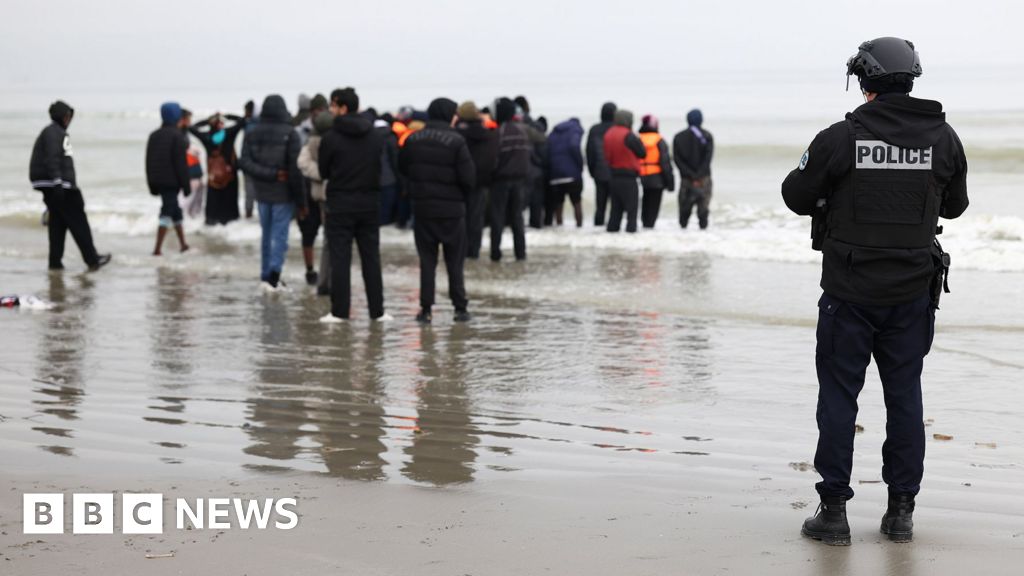
- Core Development: Home Secretary Shabana Mahmood has signed a £662m three-year agreement with France to increase security and surveillance along northern French beaches.
- Beat Context: Categorized under Transport with independent corroboration.
- Reporting Depth: 4 minute analytical read synthesized from verified newsroom sources.
The United Kingdom and France have struck a new multi-million-pound agreement aimed at curbing small boat crossings in the English Channel, according to reporting from the BBC. Home Secretary Shabana Mahmood signed the three-year accord on Thursday, committing £662m in funding to deploy riot-trained police officers, drones, helicopters, and advanced camera systems to French beaches.
Under the renewed pact, the number of law enforcement, intelligence, and military officers stationed in northern France will rise by about 42% when the measures take full effect in the summer, reaching nearly 1,100 personnel. The BBC reported that £501m is earmarked for immediate enforcement action on beaches, with an additional £160m contingent on the success of the new tactics. Ministers stated that roughly £100m of the British financing could be withheld or redirected after twelve months if insufficient journeys are halted, though the government has not disclosed specific numerical thresholds required of French authorities.
Media additions
The agreement also anticipates the opening of a removal centre in Dunkirk by the end of the year. Staffed by over 200 officers, the 140-capacity facility will focus on fast-tracking the deportation of individuals originating from countries that represented the top ten origins for small boat crossings last year: Eritrea, Afghanistan, Iran, Sudan, Somalia, Ethiopia, Iraq, Syria, Vietnam, and Yemen. In tandem with these enforcement efforts, the BBC noted that an existing "one-in-one-out" framework signed between London and Paris had seen hundreds of individuals returned and admitted since its inception.
The announcement has sparked fierce political debate across Westminster. Chris Philp, the Conservative shadow home secretary, criticized the administration for handing over substantial public funds without absolute upfront guarantees, arguing that France failed to prevent the majority of embarkations previously. Reform UK home affairs spokesman Zia Yusuf similarly condemned the expenditure as an misuse of taxpayer resources that could otherwise support domestic public services.
At the same time, Reform UK leaders Nigel Farage and Richard Tice have continued to advocate for a hardline policy of intercepting small boats at sea and forcibly towing them back to France, pointing to international maritime rules. However, legal experts consulted by the BBC, including shipping lawyer James M. Turner KC and maritime law specialist Ainhoa Campàs Velasco, emphasized that international treaties such as the United Nations Convention on the Law of the Sea do not permit a state to land rescued or intercepted individuals in another country without that nation's explicit, prior agreement. Tice's claims that Belgian authorities routinely execute such returns were contradicted by the Belgian Federal Police.
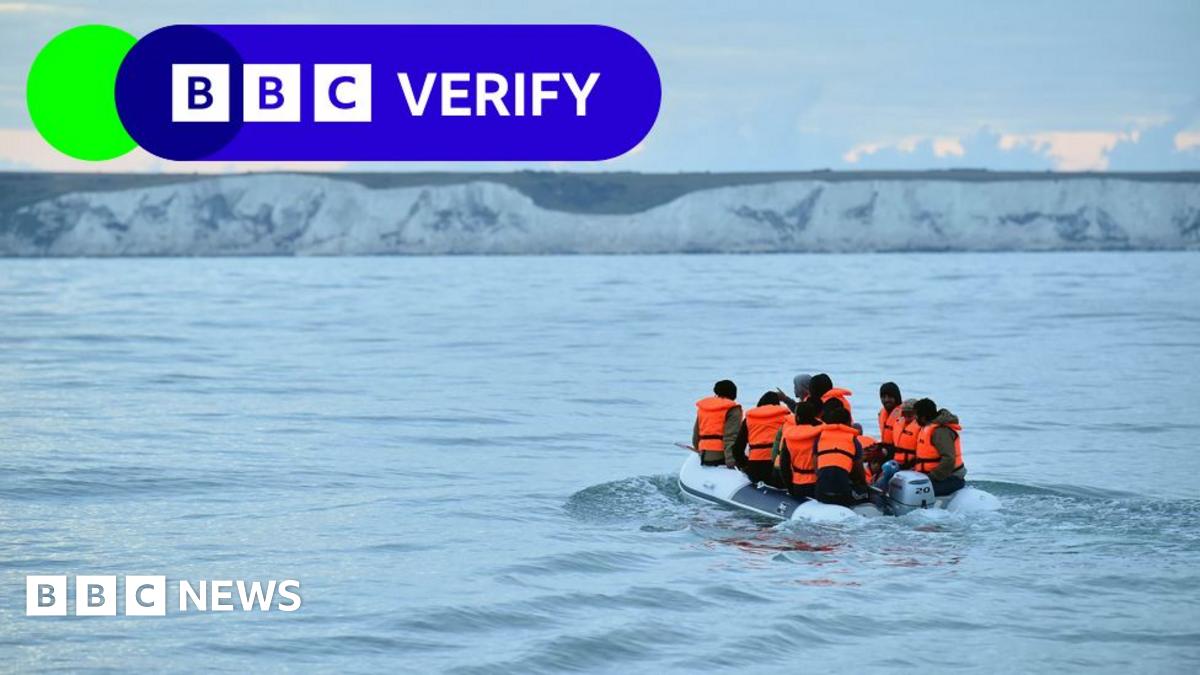
Operational realities on the water underscore the persistent scale of the issue. According to Tass, UK authorities intercepted a boat carrying 140 undocumented migrants in the English Channel on September 7. The interception operation utilized assets from His Majesty's Coastguard, including rescue boats, a helicopter, and an airplane, after the vessel departed from Jobourg in northwestern France toward Hampshire. Royal National Lifeboat Institution vessels transferred the migrants to Portsmouth, from where they were scheduled for transport to the Manston migrant detention center.
The following table illustrates the comparative financial and operational metrics associated with recent Anglo-French small boat arrangements:
| Agreement / Metric | Previous 2023 Arrangement | New 2026 Agreement |
|---|---|---|
| Total Funding Commitment | £476m | £662m |
| Personnel Deployed to Beaches | Around 700 officers | Nearly 1,100 officers (a 42% increase) |
| Performance-Linked Funding | Unpublished metrics | Around £100m subject to redirection after one year |
| Dunkirk Removal Centre Capacity | Planned / unbuilt | 140 capacity (expected completion by end of year) |
Human rights organizations have expressed concern over the heavy emphasis on policing. Imran Hussain, director of external affairs at the Refugee Council, warned that enforcement alone will not deter vulnerable individuals from seeking safety in the absence of authorized, safe routes. Meanwhile, migration analysts suggest that French authorities remain cautious regarding aggressive interception tactics due to safety risks and the potential for capsizing crowded vessels.
As political friction continues over border policies and human rights frameworks, attention turns to the forthcoming deployment of riot-trained personnel on French shores this summer and the scheduled completion of the Dunkirk removal facility by the close of the year. Further updates on Channel crossings and enforcement metrics are expected as weather conditions fluctuate.
How significant is this development?
Contribute your assessment to the aggregated reader sentiment ledger.
Frequently Asked Questions
Key questions answered in this reportWhat is the key development in: UK and France strike new £662m small boats deal?
Home Secretary Shabana Mahmood has signed a £662m three-year agreement with France to increase security and surveillance along northern French beaches.
Why is this Transport development significant for the UK?
This report covers critical events in our Transport beat. Independent reporting monitors related UK statements, regulatory shifts, and public responses as further verified details emerge.
How was this reporting corroborated and verified?
Newsarchy UK compiles and cross-references reporting from primary reporting from BBC and cross-checked wire reports. All coverage adheres to published editorial standards.
When was this report published?
This briefing was published on September 7, 2026 and is permanently cataloged in the Newsarchy UK Transport archives.