Met Office warns El Niño could make 2027 hottest year, as warming accelerates
The Met Office warns that a developing Pacific El Niño could lift global temperatures to a new record in 2027. A new Potsdam Institute study shows that global warming has accelerated to 0.35°C per decade.
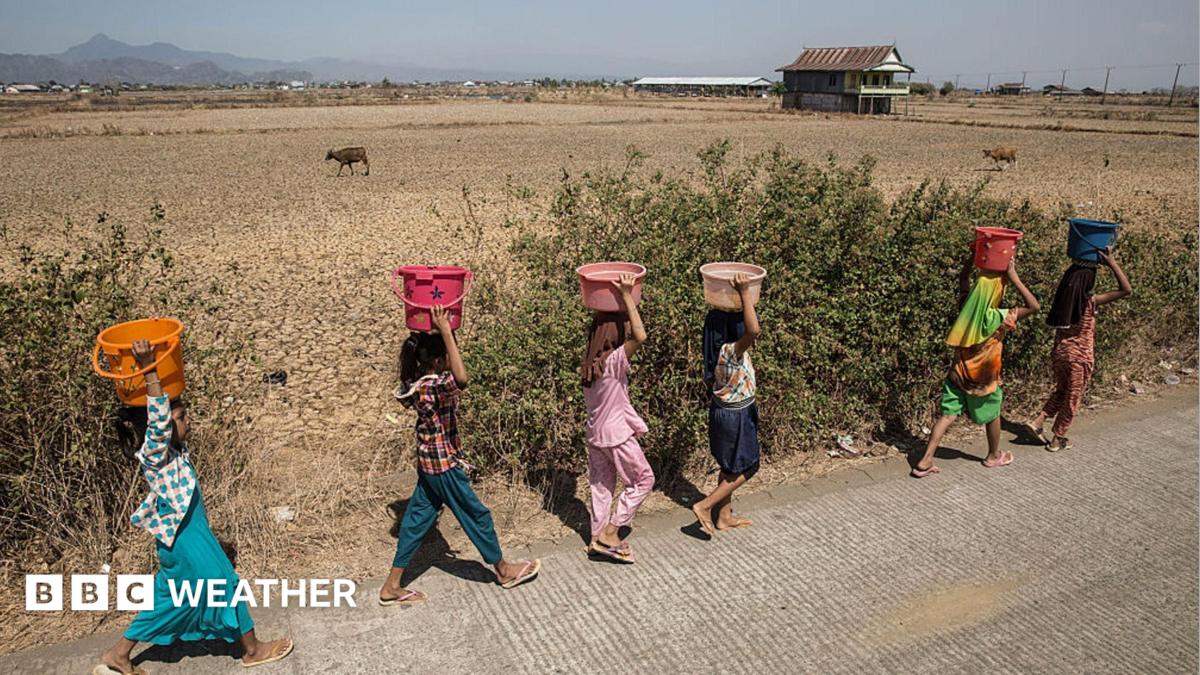
- Core Development: The Met Office warns that a developing Pacific El Niño could lift global temperatures to a new record in 2027. A new Potsdam Institute study shows that global warming has accelerated to 0.35°C per decade.
- Beat Context: Categorized under Weather with independent corroboration.
- Reporting Depth: 3 minute analytical read synthesized from verified newsroom sources.
The Met Office has issued a stark warning that a developing El Niño event over the Pacific Ocean could push global temperatures to record-breaking levels, making 2027 very likely to replace 2024 as the warmest year on record globally. This warning arrives alongside a new study from the Potsdam Institute for Climate Impact Research published in Geophysical Research Letters, which provides statistically significant evidence that the pace of global warming has accelerated since around 2015.
According to the Met Office, current sea-surface temperatures in the key region of the Pacific are well over 2 °C above normal. Forecasters suggest this warming could exceed 3 °C later in the year as the event nears its peak, marking an unprecedented level in records dating back to 1950 and potentially representing the strongest event since the 19th century. Berkeley Earth climate scientist Dr Zeke Hausfather notes that some climate groups project an even stronger event reaching 4 °C above average, which could place it among the strongest El Niño events in centuries. Prof Adam Scaife, head of long-range forecasting at the Met Office, stated, We should be clear that this is an unprecedented event,
adding that he has never seen an El Niño signal this intense in forecasts.
Media additions


The World Meteorological Organization states there is no evidence that climate change increases the frequency or strength of El Niño events, though its weather impacts become more extreme in a warming world. WMO data confirms that the past three years (2023–2025) are the warmest on record. Specifically, 2024 was confirmed as the warmest year on record with a global average surface temperature 1.55 °C above the 1850–1900 average, following 2023 at 1.45 °C above pre-industrial levels. Met Office climate scientist Dr Nick Dunstone explains that the temperature boost from El Niño is particularly pronounced in the calendar year following its winter peak, supporting the projection for 2027.
Complementing these short-term forecasts, the Potsdam Institute study reveals that the planet has warmed at a rate of approximately 0.35 °C per decade over the past ten years. Study co-author Grant Foster notes this is nearly twice the average rate of just under 0.2 °C per decade recorded between 1970 and 2015. Lead author Stefan Rahmstorf explains that the acceleration is consistent across five major global temperature datasets with a statistical certainty exceeding 98 percent. Even after adjusting for natural influences like El Niño and the solar maximum, 2023 and 2024 remain the hottest years since instrumental records began. The researchers warn that continuing at this recent pace could lead to a long-term exceedance of the Paris Agreement's 1.5 °C limit before 2030.
The Geneva Environment Network highlights that human-induced climate change has driven an increase in the frequency and intensity of extreme weather events, such as heatwaves, heavy precipitation, droughts, and tropical cyclones, since the 1950s. While disaster casualties have declined due to improved early warning systems, economic losses have risen sharply. Furthermore, the UN's Food and Agriculture Organization warns that the current El Niño threatens tens of millions of people in at-risk countries with crisis-level acute food insecurity, while the UK faces increased risks of a wet, stormy autumn and potential cold spells later in winter.
How significant is this development?
Contribute your assessment to the aggregated reader sentiment ledger.
Frequently Asked Questions
Key questions answered in this reportWhat is the key development in: Met Office warns El Niño could make 2027 hottest year, as warming accelerates?
The Met Office warns that a developing Pacific El Niño could lift global temperatures to a new record in 2027. A new Potsdam Institute study shows that global warming has accelerated to 0.35°C per decade.
Why is this Weather development significant for the UK?
This report covers critical events in our Weather beat. Independent reporting monitors related UK statements, regulatory shifts, and public responses as further verified details emerge.
How was this reporting corroborated and verified?
Newsarchy UK compiles and cross-references reporting from primary reporting from BBC and cross-checked wire reports. All coverage adheres to published editorial standards.
When was this report published?
This briefing was published on November 7, 2026 and is permanently cataloged in the Newsarchy UK Weather archives.