Abdul El‑Sayed wins Michigan Democratic Senate primary, shaking up party
Abdul El-Sayed narrowly defeated Rep. Haley Stevens in Michigan's high-turnout Democratic Senate primary, overcoming heavy outside spending to secure the nomination.
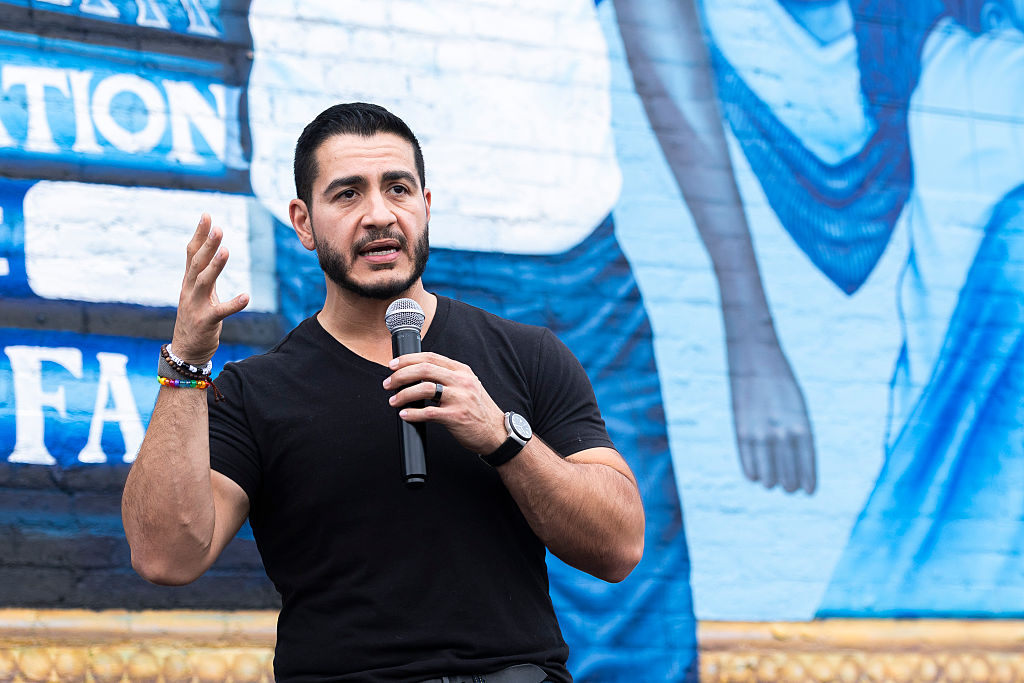
- Core Development: Abdul El-Sayed narrowly defeated Rep. Haley Stevens in Michigan's high-turnout Democratic Senate primary, overcoming heavy outside spending to secure the nomination.
- Beat Context: Categorized under World with independent corroboration.
- Reporting Depth: 4 minute analytical read synthesized from verified newsroom sources.
Michigan voters went to the polls in a Senate primary that analysts viewed as a test for the Democratic Party’s direction, with the Associated Press announcing the result early the next day, August 5, 2026. Returns from Wayne and Oakland counties showed no realistic path for Rep. Haley Stevens to overtake former Wayne County health commissioner Abdul El‑Sayed.
When the race was called, El‑Sayed led Stevens by 14,893 votes, a margin of just under one percentage point, out of more than 1.5 million ballots counted. The narrow victory showcased the party's progressive wing in a battleground state and set the stage for a November showdown that could influence control of the U.S. Senate.
Media additions


The two campaigns
Stevens entered the contest backed by senior Democrats, including Gov. Gretchen Whitmer, retiring Sen. Gary Peters, and Senate Minority Leader Chuck Schumer. Her campaign was bolstered by outside advertising, with reports that more than $50 million was spent on her side, led by over $30 million from the American Israel Public Affairs Committee (AIPAC). Cbc described the AIPAC outlay as the largest single-race investment the pro-Israel lobby has ever made.
El‑Sayed, a former public-health official, ran a grassroots operation emphasizing "Medicare for All," campaign-finance reform, and an end to U.S. Military aid to Israel. He drew endorsements from progressive leaders Sen. Bernie Sanders and Rep. Alexandria Ocasio‑Cortez, who framed the race as a fight against big-money spending. The Boston Herald noted that El‑Sayed’s platform resonated with Michigan’s sizable Arab-American community and with voters tired of corporate influence.
"In the words of Muhammad Ali, we shook up the world."
Abdul El‑Sayed, candidate, via Boston Herald
Turnout and historical context
The Michigan Democratic primary set a turnout record, according to the state Secretary of State. As of noon ET on August 5, 2026, a total of 1,528,280 votes had been counted, surpassing the roughly 1,181,000 votes cast in the 2020 Senate Democratic primary and the approximately 1,131,000 votes in the 2018 gubernatorial primary. The figure also trails the nearly 1,588,000 votes counted in the 2020 Democratic presidential primary.
El‑Sayed previously lost the 2018 gubernatorial primary to Gov. Whitmer by 21 percentage points, a defeat that now looks like a stepping stone to his current win, according to the Boston Herald.
Reactions inside the Democratic camp
Stevens promptly pledged her support for El‑Sayed, saying Democrats must unite to keep the Senate seat. Former state Sen. Mallory McMorrow echoed the call for party unity.
"We have got to work together to take this country back."
Curtis Hertel, chair of the Michigan Democratic Party, via CBC
Gary Peters, whose retirement triggered the contest, urged the new nominee to begin reaching out to folks immediately.
Republican response and the general-election outlook
On the Republican side, former Rep. Mike Rogers secured the GOP nomination unopposed, after an early endorsement from President Donald Trump. Trump told Fox News that Rogers would fare better against El‑Sayed than Stevens would have.
The National Republican Senate Leadership Fund released a new ad highlighting El‑Sayed’s agenda, while AIPAC reiterated its commitment to oppose him in the November election.
Rogers attacked El‑Sayed’s association with influencer Hasan Piker, insisting that the latter’s statements reflected the candidate’s own views.
Policy clashes that defined the race
The most polarizing issue was U.S. Aid to Israel. El‑Sayed called for ending military assistance, characterizing Israel’s Gaza campaign as a "genocide." Stevens maintained strong support for the aid relationship, a stance echoed by AIPAC’s statement that it would oppose his agenda in the general election.
What comes next
With the primary decided, the focus shifts to the November contest that will help determine which party controls the Senate in the final two years of President Trump’s term. Democrats must now reconcile the progressive platform that carried El‑Sayed to victory with the moderate arguments that Stevens used to claim electability.
El‑Sayed has pledged to unify people rather than divide them, and to focus on ending wars and curbing corporate influence. He also issued a five-debate challenge to Rogers, signaling an aggressive campaign strategy.
Both parties are pouring resources into the upcoming race. While the primary saw more than $50 million in outside spending, the Senate Leadership Fund has already begun airing television spots against El‑Sayed, and AIPAC confirmed it will continue its opposition campaign.
The November ballot will test whether Michigan’s Democratic electorate, having just backed a progressive insurgent, will also support that vision against a well-funded Republican challenger. As the Michigan Democratic Party chair urged, We have got to work together to take this country back,
the next weeks will reveal whether that call for unity can translate into a decisive Senate win.
How significant is this development?
Contribute your assessment to the aggregated reader sentiment ledger.
Frequently Asked Questions
Key questions answered in this reportWhat is the key development in: Abdul El‑Sayed wins Michigan Democratic Senate primary, shaking up party?
Abdul El-Sayed narrowly defeated Rep. Haley Stevens in Michigan's high-turnout Democratic Senate primary, overcoming heavy outside spending to secure the nomination.
Why is this World development significant for the UK?
This report covers critical events in our World beat. Independent reporting monitors related UK statements, regulatory shifts, and public responses as further verified details emerge.
How was this reporting corroborated and verified?
Newsarchy UK compiles and cross-references reporting from primary reporting from averyjournal.com and cross-checked wire reports. All coverage adheres to published editorial standards.
When was this report published?
This briefing was published on August 5, 2026 and is permanently cataloged in the Newsarchy UK World archives.