Trump pulls Vance from Iran talks and says no deal is needed
President Donald Trump has abruptly halted diplomatic efforts with Iran, reassigning Vice President JD Vance and declaring that no formal agreement is necessary.
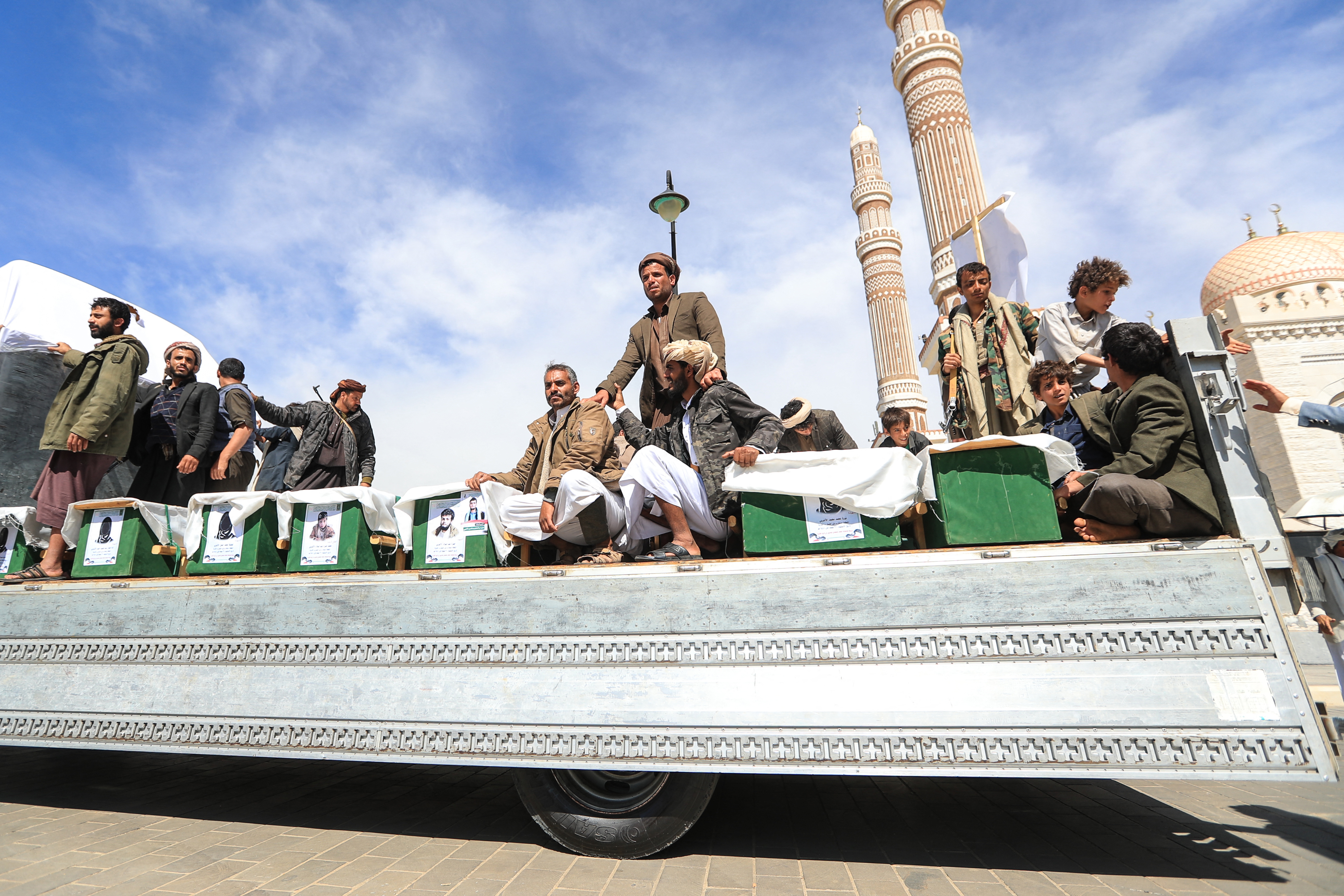
President Donald Trump abruptly declared that no agreement with Tehran is necessary and reassigned Vice President JD Vance from diplomatic duties.
The sudden shift closes the most visible diplomatic track of the ongoing conflict, leaving the administration reliant on an economic blockade and military pressure. The announcement follows reports that Vance was weighing a face-to-face meeting with Iran's security chief in Doha, according to Hngn reporting. Trump posted on his social media platform that those days have long since passed, citing financial leverage and control over the Strait of Hormuz.
Media additions


Diplomatic Backchannel Closed
Vice President Vance had previously led negotiations in Islamabad and Switzerland, serving as the administration's primary voice for a negotiated settlement. Trump directed him instead to focus on alleged corruption in Democratic-run states and cities, effectively removing him from international talks. The White House declined to explicitly confirm whether all diplomatic contacts had ceased, though administration officials maintained that the economic blockade and naval operations would continue unabated.
The reassignment exposes internal administration disagreements over the direction of the conflict. Following midterm setbacks, Vance had reportedly attributed Republican congressional losses to the unresolved war. Trump defended the necessity of stopping Iran from obtaining a nuclear weapon while acknowledging that conservatives held mixed views on the public disagreement.
Military Posture and Regional Clashes
Military tensions escalated further as Iran's Islamic Revolutionary Guard Corps launched attack drones targeting a U.S. Military installation in Bahrain, according to reporting compiled by House of Saud. U.S. Central Command confirmed that both drones were intercepted and shot down without causing injuries or damage.
| Entity | Reported Action / Operation | Outcome / Assessment |
|---|---|---|
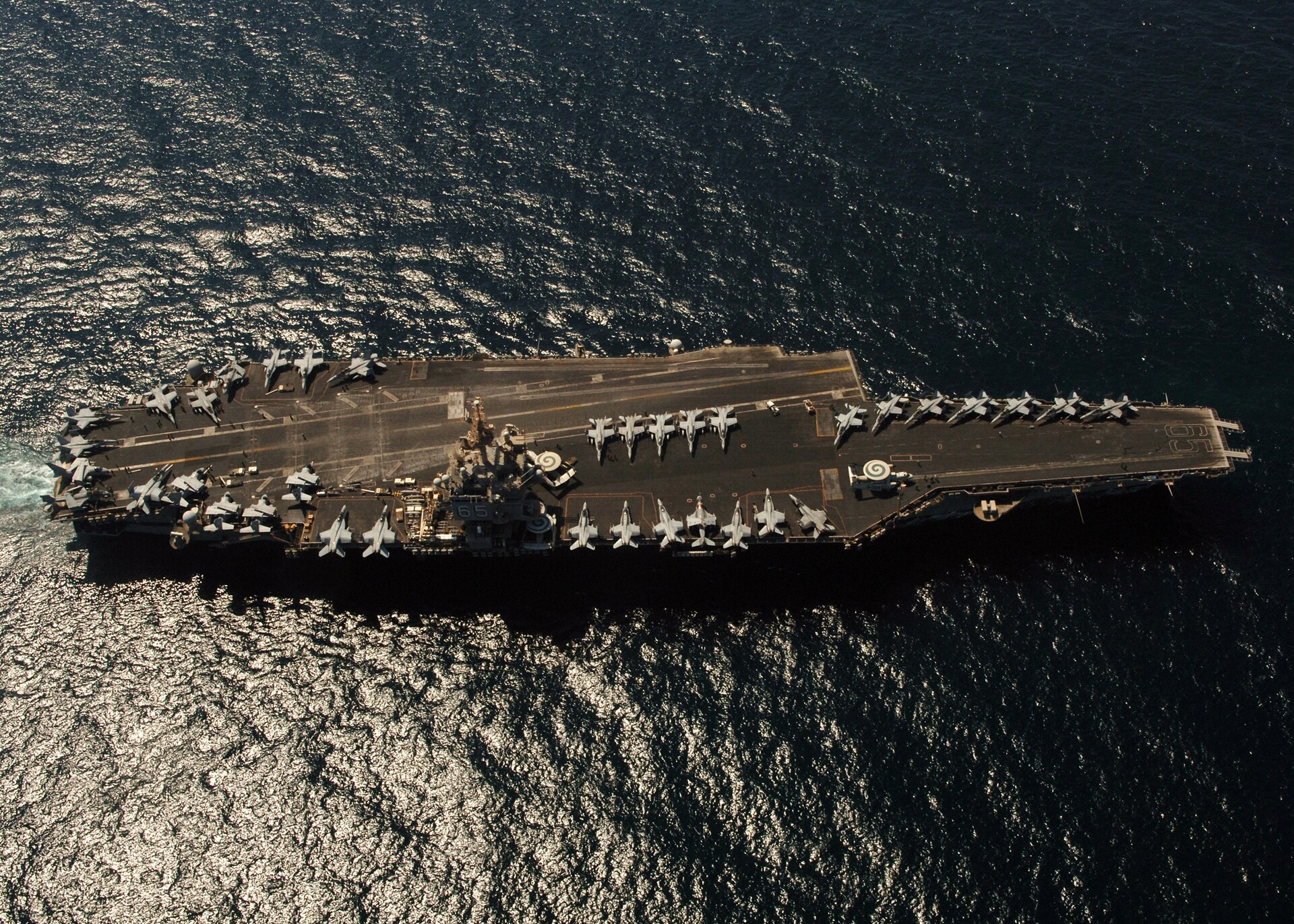
| US Central Command | Operation Economic Outcast & Operation Iron Gate blockades | Redirected commercial vessels and blocked billions in Iranian crude exports |
| Iran Revolutionary Guard Corps | Drone launches and naval mining operations near the Strait of Hormuz | Multiple vessel incidents reported alongside intercepted strikes on allied bases |
| Saudi-led Coalition | Defense operations and interceptions of incoming cross-border missiles | Continuous regional countermeasures amid infrastructure threats |
Iranian state media and military officials maintained a defiant stance, with the Supreme National Security Council dismissing the prospect of sending enriched nuclear material abroad. Meanwhile, European diplomats and regional mediators have expressed concern over the breakdown of diplomatic channels. In related diplomatic maneuvers, Radio Free Europe/Radio Liberty noted ongoing international disputes regarding control and navigation rights through the vital waterway, while Al Jazeera tracked simultaneous retaliatory strikes across multiple regional flashpoints.
Economic Fallout and Energy Markets
Global energy markets reacted immediately to the breakdown in diplomacy. Oil prices fluctuated as international benchmarks responded to reports of maritime incidents and tanker disruptions in the Persian Gulf. CBS News reported that energy infrastructure vulnerabilities and pipeline adjustments have kept global supplies constrained despite alternative export routes.
Treasury Secretary Scott Bessent, a key architect of the economic pressure campaign, has faced personal security threats, reflecting the high stakes of the financial blockade. Administration officials argue that sustained economic pressure remains the most effective tool to achieve strategic objectives without committing to major ground combat operations.
What to Watch Next
- Pending congressional votes regarding war powers and emergency spending legislation.
- Future international maritime traffic and security enforcement within the Strait of Hormuz.
- Potential responses from regional mediators following the termination of formal U.S. Diplomatic outreach.