Australian mother gives birth to rare identical quadruplets in Brisbane
A Brisbane family has grown to ten following the arrival of rare identical quadruplets, a medical phenomenon with odds estimated at one in 15 million. Experts confirm this is the first known case of naturally conceived, identical quadruplets born in Australia.
- Core Development: A Brisbane family has grown to ten following the arrival of rare identical quadruplets, a medical phenomenon with odds estimated at one in 15 million. Experts confirm this is the first known case of naturally conceived, identical quadruplets born in Australia.
- Beat Context: Categorized under World with independent corroboration.
- Reporting Depth: 4 minute analytical read synthesized from verified newsroom sources.
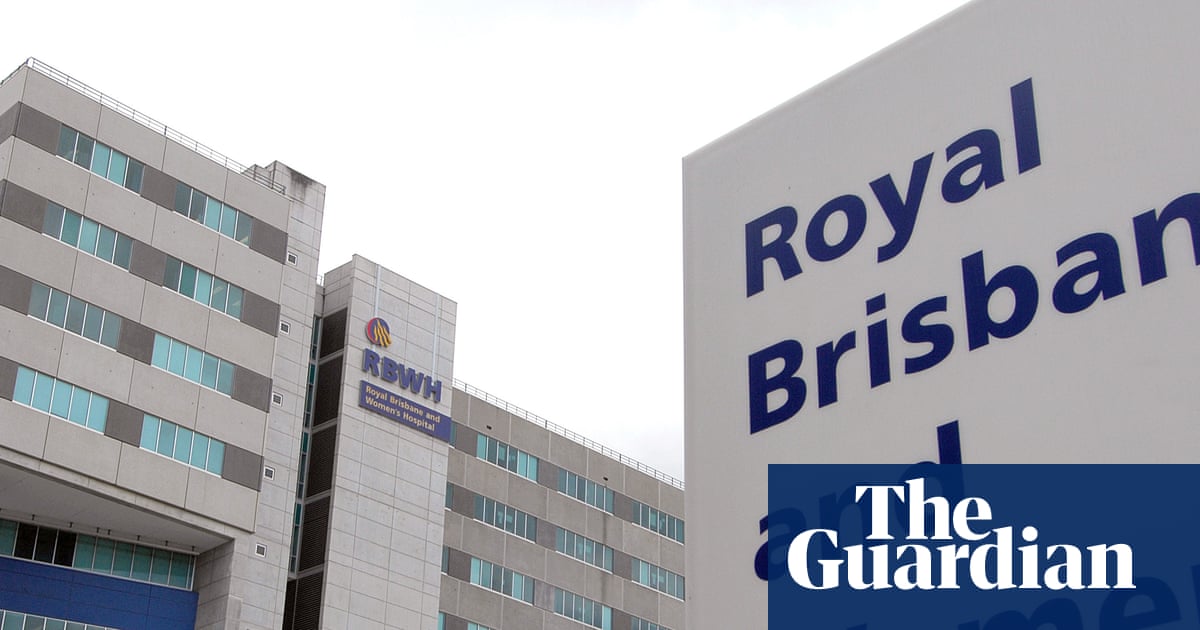
A Brisbane family has expanded from six members to ten following the birth of identical quadruplets, an event medical professionals describe as a rare occurrence. The infants, all girls, were born via caesarean section at the Royal Brisbane and Women’s Hospital on 14 July. The newborns — named Emily, Harriet, Alexa, and Catherine — were delivered at 28 weeks and four days of gestation. Their arrival marks the first known case of naturally conceived, identical quadruplets born in Australia.
Jenitar Na’amoana, 34, was already caring for four children, aged 10, eight, three, and one, when she learned of the surprise pregnancy. She was still breastfeeding her youngest child at the time she discovered she was expecting. Medical experts confirmed that the pregnancy was naturally conceived and involved a single fertilised egg that split into four embryos, all of whom shared a single placenta. While quadruplet pregnancies are estimated to occur in about one in 700,000 births, the odds of identical quadruplets are significantly lower. According to Dr. Alexa Bendall, the maternal foetal medicine specialist who oversaw the pregnancy, the chance of such an occurrence is roughly one in 15 million.
Media additions
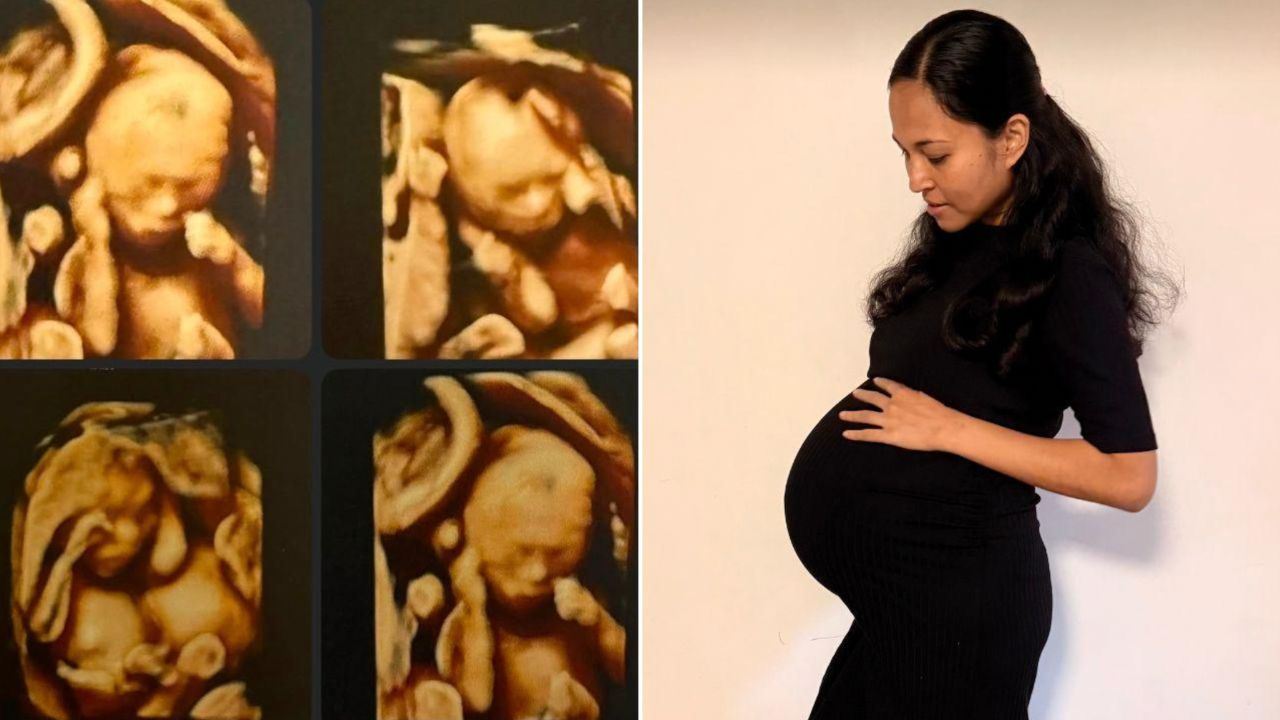
Dr. Bendall noted that the classification of this pregnancy, where four babies share one placenta, is considered unique in the Australian medical context.
Dr. Bendall further observed that while there may be a few similar cases documented worldwide, this remains an exceptional event."This is unheard of. We don’t think it has ever happened in Australia,"
Dr. Alexa Bendall, maternal foetal medicine specialist, via AAP
"There may have been a couple of cases elsewhere in the world. And when I say a couple, literally two,"
Dr. Alexa Bendall, maternal foetal medicine specialist, via AAP
A high-risk delivery
Due to the complexity of the pregnancy, the clinical team classified the situation as high-risk, citing potential complications such as growth restriction and unbalanced blood flow between the fetuses. Ms. Na’amoana was admitted to the hospital at 25 weeks of gestation for close monitoring after exhibiting symptoms of a short cervix and early contractions. A medical team of approximately 20 midwives, anaesthetic staff, and neonatal experts attended the delivery.
The four infants weighed between 2lb 5oz and 2lb 8oz at birth. One of the newborns, Alexa, was named in honour of the obstetrician who guided the family through the clinical challenges of the final trimester. Dr. Bendall stated that the team’s goal had been to reach the 28-week mark.
"The fact that we have got four beautiful, healthy babies born at 28 weeks and four days is incredible,"
Dr. Alexa Bendall, maternal foetal medicine specialist, via BBC
Logistical challenges for a growing family
The transition from a family of six to a family of ten has prompted the Na’amoana family to seek public support. Beyond the immediate demands of hospital visitations and the necessity of transporting breast milk to the neonatal unit for the newborns, the parents face significant long-term logistical hurdles. Cathy Scott, president of the Multiple Births Association Brisbane Northside branch, noted the physical and emotional toll on the mother.
"Now we have a situation where mum's at home with her bigger babies and she has four beautiful babies in the hospital,"
Cathy Scott, president of the Multiple Births Association Brisbane Northside branch, via ABC Radio Brisbane
According to the Multiple Births Association, finding a vehicle with sufficient seating for a family of ten is a primary concern for the parents. The family has established a fundraising campaign to assist with these costs, which include medical expenses, equipment, and a larger van. The arrival of the sisters occurs 76 years after the first recorded set of surviving quadruplets was born in Australia in 1950.
What to watch next
- Hospital Milestone: The infants remain under medical care in the neonatal intensive care unit. Their discharge depends on their growth and ability to reach a near-full-term developmental stage.
- Family Transition: The parents are fundraising to secure a 10-to-12-seat vehicle, which they identify as an urgent necessity for the future transportation of their eight children.
- Recovery: Ms. Na’amoana, who was discharged from the hospital three days after the birth, continues to manage her recovery from the caesarean section while balancing the care needs of her older children and her requirements at the hospital.
How significant is this development?
Contribute your assessment to the aggregated reader sentiment ledger.
Frequently Asked Questions
Key questions answered in this reportWhat is the key development in: Australian mother gives birth to rare identical quadruplets in Brisbane?
A Brisbane family has grown to ten following the arrival of rare identical quadruplets, a medical phenomenon with odds estimated at one in 15 million. Experts confirm this is the first known case of naturally conceived, identical quadruplets born in Australia.
Why is this World development significant for the UK?
This report covers critical events in our World beat. Independent reporting monitors related UK statements, regulatory shifts, and public responses as further verified details emerge.
How was this reporting corroborated and verified?
Newsarchy UK compiles and cross-references reporting from primary reporting from abc.net.au and cross-checked wire reports. All coverage adheres to published editorial standards.
When was this report published?
This briefing was published on July 21, 2026 and is permanently cataloged in the Newsarchy UK World archives.