Trump, Putin and Xi to hold historic trilateral meeting in China
Leaders of the world's three biggest nuclear powers are planning an unprecedented trilateral meeting in Shenzhen during the APEC summit.

Donald Trump, Vladimir Putin and Xi Jinping are planning an unprecedented trilateral meeting on November 19, 2026, on the sidelines of the Asia-Pacific Economic Cooperation summit, bringing together the leaders of the world's biggest nuclear powers in an encounter that analysts warn will carry far more symbolism than substance, according to BBC reporting and The Hindu.
The White House confirmed the upcoming gathering following statements by spokeswoman Olivia Wales, who indicated the United States president aims to use the summit to press for global nuclear weapons reduction and discuss the conflict involving Iran. Yet the three powers arrive in the southern Chinese tech hub of Shenzhen with sharply conflicting agendas, as reported by Aol.
Media additions
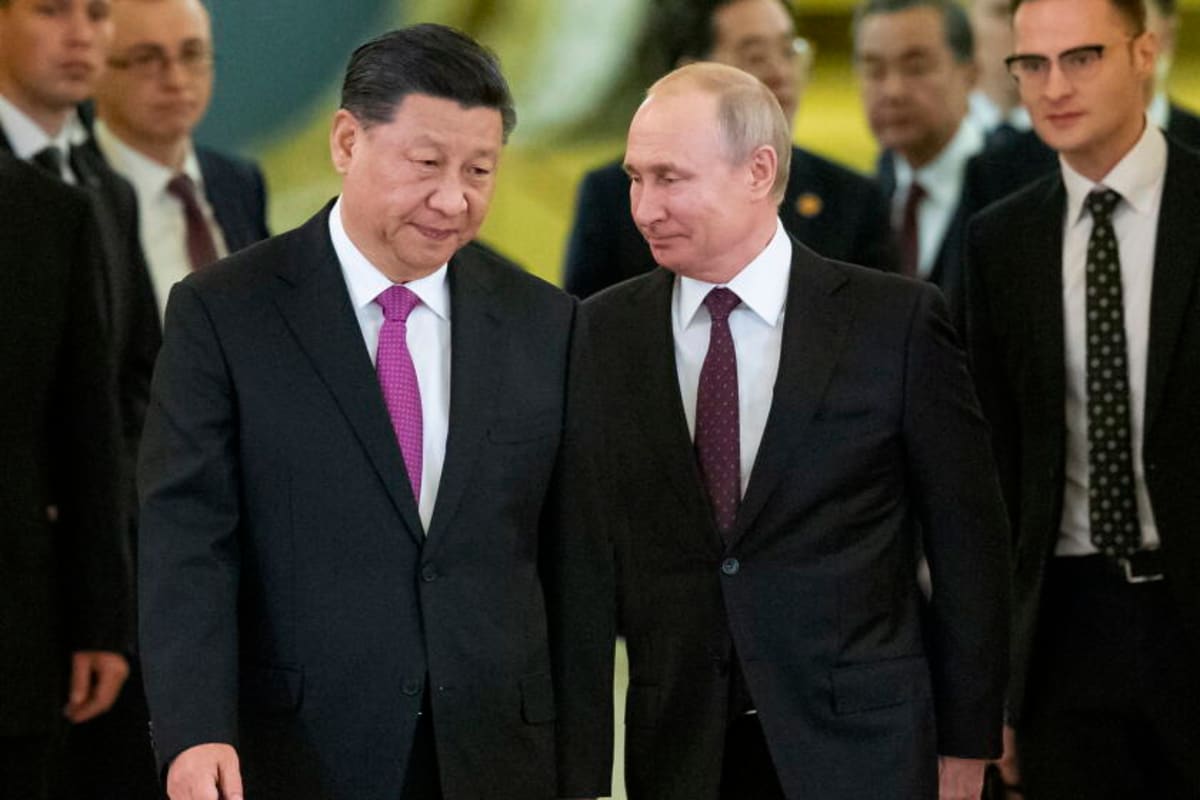


Trump intends to focus discussions on denuclearization and security concerns regarding Iran, while Moscow has pushed for the summit to touch upon the ongoing war in Ukraine. Meanwhile, Chinese officials have indicated that Beijing views the talks through the prism of showcasing its diplomatic capacity to foster international peace, even as U.S. Officials insist the session will bypass the Ukraine conflict entirely. As VnExpress International notes, Washington maintains a separate diplomatic track regarding Ukraine alongside Kyiv and Moscow, with U.S. Representatives arguing that Beijing holds no direct role in those negotiations.
The high-stakes diplomacy unfolds against a backdrop of lapsed international arms control frameworks. The bilateral nuclear arms control treaty between Washington and Moscow expired in February, removing decades-old guardrails from the world's primary atomic stockpiles. Trump has repeatedly voiced a desire to supersede the defunct pact with a modernized trilateral framework incorporating China, whose military capabilities have expanded rapidly. However, security analysts remain skeptical of swift breakthroughs. Edgard Kagan, a former U.S. Ambassador to Malaysia now affiliated with the Centre for Strategic and International Studies, told The Hindu that he would be shocked if the meeting produced any joint statement on denuclearization.
Pentagon estimates and independent tracking highlight the vast asymmetry in the nuclear stockpiles held by the three nations. While Washington and Moscow maintain arsenals exceeding 5,000 warheads apiece, Beijing's inventory is estimated at roughly 620 warheads. Consequently, Chinese leadership has displayed little appetite to negotiate caps while operating from a position of numerical inferiority, according to reporting by AOL and Ratopati. An anonymous senior U.S. Official characterized the upcoming session to news agencies as a mere entry point rather than a forum for concrete treaties, noting that no formal agreements are anticipated.
| Power | Estimated Nuclear Warheads | Primary Stated Summit Focus |
|---|---|---|
| United States | 5,000+ | Nonproliferation, arms control inclusion, Iran |
| Russia | 5,000+ | Global superpower parity, Ukraine conflict |
| China | 620 | Diplomatic prestige, bilateral trade, regional stability |
The diplomatic spectacle has immediately drawn historical comparisons to the 1945 Yalta Conference, where Allied leaders shaped the postwar global order. Yet Kremlin spokesman Dmitry Peskov dismissed the parallel, emphasizing that any discussions in Shenzhen cannot be imposed upon external actors and must instead rest on mutual benefit and respect, as highlighted by The Hindu. Concurrently, regional partners have expressed unease. Ukrainian President Volodymyr Zelenskyy has voiced anxiety that a trilateral format involving Putin and Xi could encourage backchannel negotiations concerning his country's sovereignty without Kyiv present at the table.
Beyond security dynamics, the summit carries domestic and geopolitical utility for each participant. For Xi, hosting the gathering burnishes China's credentials as an emerging mediator on the world stage, though Nanyang Technological University professor Hoo Tiang Boon warned The Hindu that cozying up to isolated leaders may complicate Beijing's broader efforts to portray itself as a steadfast defender of free trade and multilateralism at APEC. For Putin, the summit provides a platform to project global relevance despite punishing Western economic sanctions and ongoing military strains. For Trump, the meeting offers international visibility following a difficult domestic midterm electoral cycle.
Itinerary and Diplomatic Schedule
- Tuesday: Trump participates in the Association of Southeast Asian Nations summit in the Philippines.
- Wednesday late: Trump arrives in Shenzhen, China, for the two-day Asia-Pacific Economic Cooperation summit involving 21 member economies, as outlined by BBC News.
- Thursday: Trump conducts bilateral talks with Chinese President Xi Jinping—marking their fourth face-to-face meeting since Trump took office in 2025—followed by the scheduled trilateral session.
As preparations finalize, questions persist regarding how the meeting will affect broader international relations, particularly given ongoing concerns across European and Indo-Pacific capitals. Readers can track continuing geopolitical developments and regional security updates through World coverage on Newsarchy UK, including recent updates on trilateral peace talks and international aid pledges.