Hitlers Eagle Nest retreat catches fire in Bavaria, suspect detained
A massive fire engulfed the historic Eagle's Nest retreat in the Bavarian Alps on Friday, drawing over 200 firefighters and leading to a police detention.
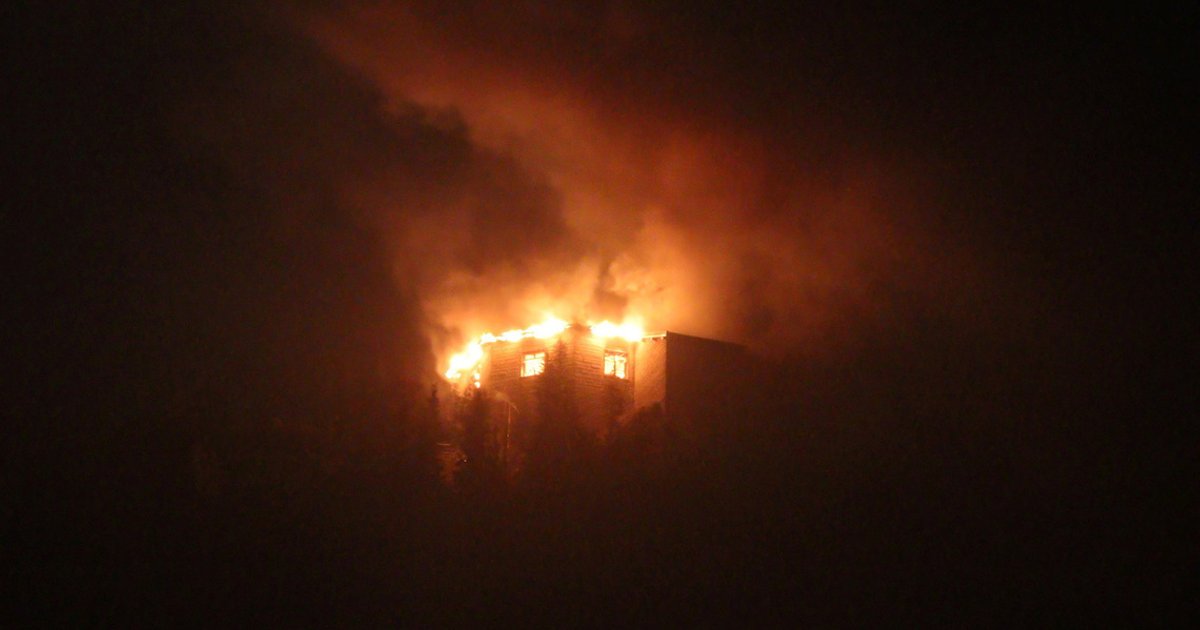
- Core Development: A massive fire engulfed the historic Eagle's Nest retreat in the Bavarian Alps on Friday, drawing over 200 firefighters and leading to a police detention.
- Beat Context: Categorized under World with independent corroboration.
- Reporting Depth: 3 minute analytical read synthesized from verified newsroom sources.
A massive fire engulfed the historic Kehlsteinhaus, widely known as the Eagle's Nest, in the Bavarian Alps of southern Germany on Friday, prompting a major emergency response and the detention of a suspect. The dramatic blaze at the former Nazi mountaintop retreat threatens a rare structure from the Hitler era that survived World War II bombing campaigns completely unscathed, transforming over the decades into a popular destination for international visitors and home to a mountain restaurant.
According to German police, dispatchers in Traunstein received an automated fire alarm originating from the building at around 21:15 local time on Friday. Other emergency reports noted that the alarm triggered at around 21:50, while the Upper Bavaria South police headquarters stated that emergency services arrived on site at 21:52 to find a large-scale fire. First emergency units found the historic structure completely ablaze with flames visible from several kilometres away. More than 200 emergency personnel rushed to the scene to tackle the inferno, though battling the fire proved exceptionally difficult due to the site's isolated geographical placement and high altitude.
Media additions
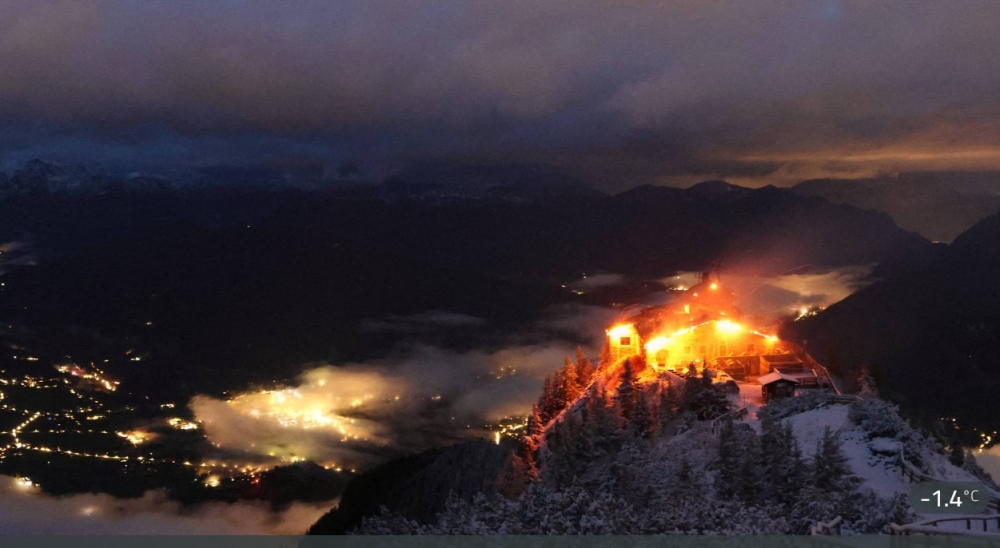

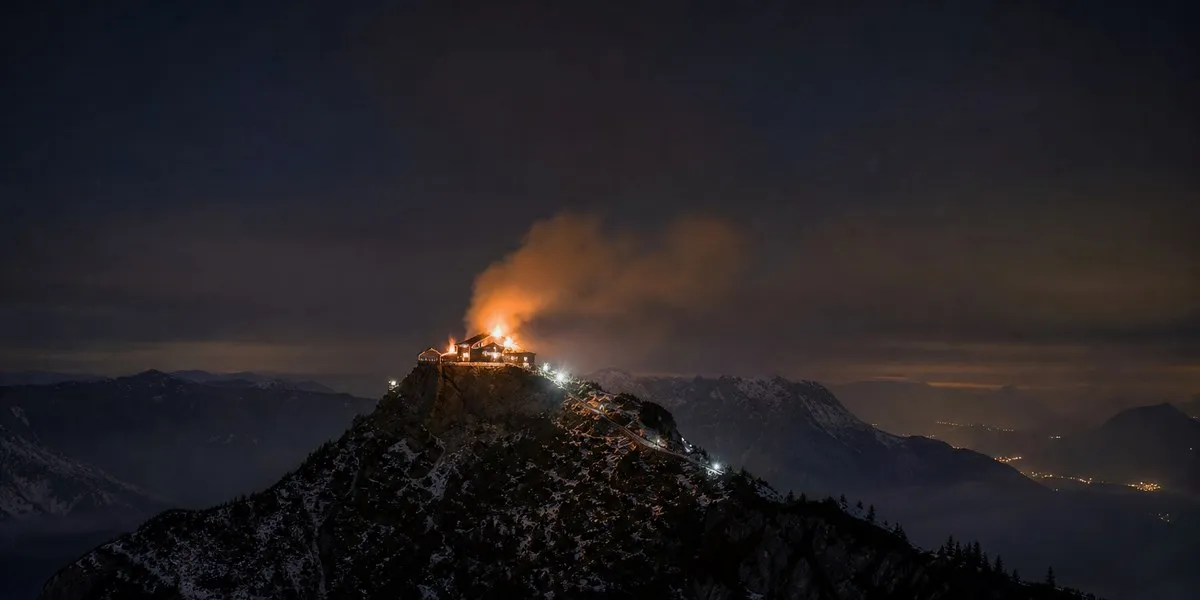
| Incident Detail | Reported Information |
|---|---|
| Location | Kehlsteinhaus (Eagle's Nest), Obersalzberg, Berchtesgaden, Bavaria, Germany |
| Altitude | 1,834 metres above sea level |
| Emergency Response | Approx. 200 firefighters and emergency personnel deployed |
| Initial Alarm Time | Between 21:15 and 21:50 local time on Friday |
| Casualties | None reported; building unoccupied at the time |
The geographic isolation of the landmark presented immediate operational hurdles for responding fire brigades. Because the structure sits at an altitude of 1,834 metres, transport of water and heavy equipment was severely hampered. Police spokeswoman Lisa Maier noted that firefighters struggled to extinguish the blaze because of its remote location, and added that responders could only enter the immediate vicinity while wearing heavy respiratory protective equipment or heavy breathing apparatus. Visitors traditionally reach the final stretch of the mountaintop via specialized mountain roads, buses, or a gilded elevator built directly into the rock.
As emergency services ascended the winding mountain route, officers encountered a motorcyclist and subsequently detained the individual following a tip-off from responding patrols, as reported by German tabloid Bild. Police confirmed that a suspicious person was placed into temporary custody while investigators probe whether the motorcyclist holds any direct connection to the outbreak of the fire. The Upper Bavaria South police headquarters emphasized that the criminal investigation into suspected arson remains active and ongoing.
The site carries profound historical weight. Completed in 1938 as a grand teahouse and guest house for Nazi officials, the mountaintop perch was built to impress foreign diplomats and dignitaries. While Adolf Hitler himself visited the retreat only a handful of times, partially writing portions of his book "Mein Kampf" in the wider area and using the alpine backdrop for propaganda films, the location served as a heavily fortified country residence and a part-time seat of government where commanders planned military campaigns, including the invasion of the USSR in 1941. The Nazi dictator also used the retreat to relax with his companion Eva Braun.
Unlike numerous other structures across the Obersalzberg government zone that were heavily damaged or destroyed, the Eagle's Nest survived Allied bombing raids intact. In the post-war era, the building transitioned into a public landmark, operating primarily as a mountain inn and restaurant alongside a documentation centre. Official tourist materials and its official website emphasize that the site functions as a cautionary reminder of the dark legacy of the Nazi dictatorship.
Authorities have not yet confirmed the full extent of the structural damage to the historical building, nor has the definitive cause of the fire been established. Emergency services remained active at the scene into Saturday morning as cooling and securing operations continued across the remote peak.
How significant is this development?
Contribute your assessment to the aggregated reader sentiment ledger.
Frequently Asked Questions
Key questions answered in this reportWhat is the key development in: Hitlers Eagle Nest retreat catches fire in Bavaria, suspect detained?
A massive fire engulfed the historic Eagle's Nest retreat in the Bavarian Alps on Friday, drawing over 200 firefighters and leading to a police detention.
Why is this World development significant for the UK?
This report covers critical events in our World beat. Independent reporting monitors related UK statements, regulatory shifts, and public responses as further verified details emerge.
How was this reporting corroborated and verified?
Newsarchy UK compiles and cross-references reporting from primary reporting from straitstimes.com and cross-checked wire reports. All coverage adheres to published editorial standards.
When was this report published?
This briefing was published on October 24, 2026 and is permanently cataloged in the Newsarchy UK World archives.