EU joins US in economic pressure on Iran
EU joins US in economic pressure on Iran
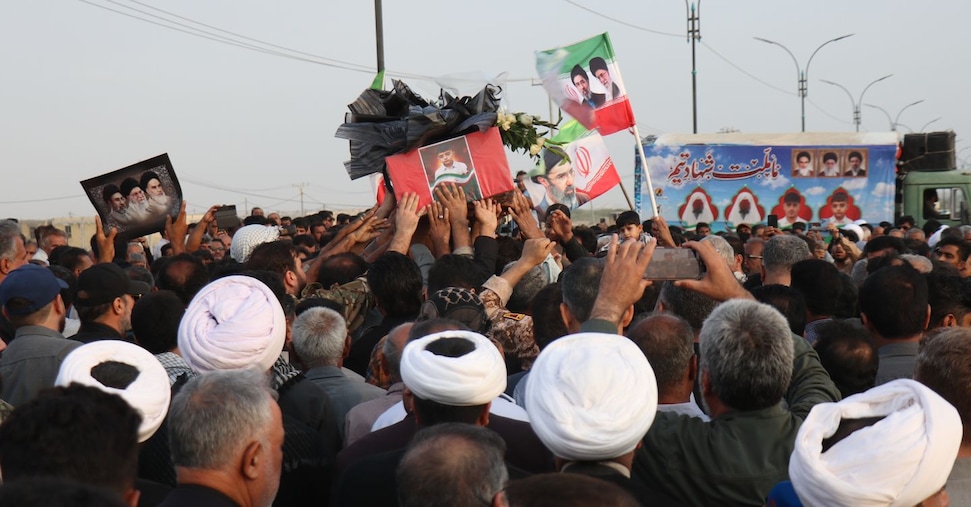
- Core Development: EU joins US in economic pressure on Iran
- Beat Context: Categorized under World with independent corroboration.
- Reporting Depth: 5 minute analytical read synthesized from verified newsroom sources.
On 30 August the European Union announced it will back the United States’ Operation Economic Outcast, a coordinated campaign of financial sanctions aimed at choking Iran’s ability to fund its nuclear programme, weapons development and proxy forces. The move tightens the Western grip on Tehran at a moment when the Gulf is roiling from missile strikes, civilian casualties and a flurry of diplomatic overtures. For allies, the joint pressure is meant to force Iran back to the negotiating table; for Tehran, the sanctions signal a deepening isolation that could reverberate through oil markets and regional security.
U.S. Treasury Secretary Scott Bessent posted on X that “the European Union has officially joined Operation Economic Outcast and we appreciate their strong and early stance.” He added that the United States “stands firmly alongside its allies to ensure that the bloodthirsty Iranian regime cannot exploit the global financial system to fund its nuclear ambitions, weapons programmes and proxy terrorist groups.” The EU’s statement, released at the G20 finance ministers’ gathering in Asheville, North Carolina, echoed the same resolve, promising “further measures where necessary” to protect “freedom of navigation through the Strait of Hormuz.”
Media additions
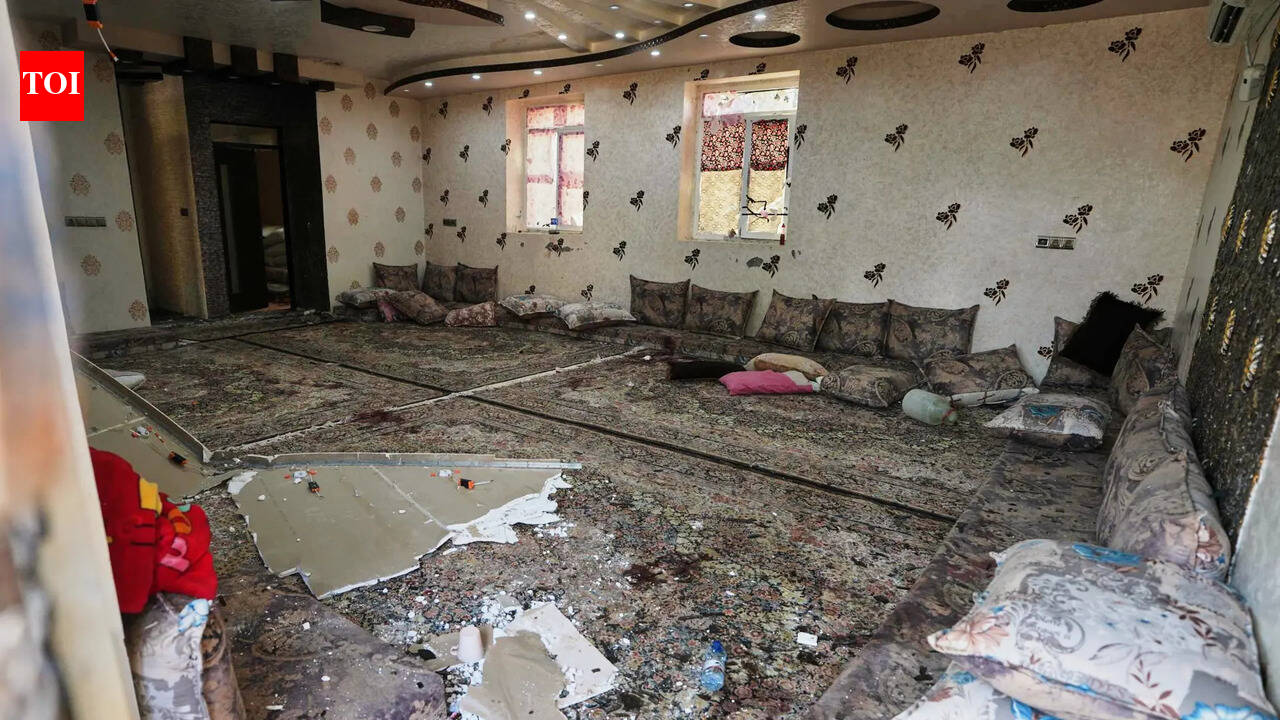

The sanction coalition arrives amid a sharp escalation in the US‑Iran clash that began in early 2026. Iranian state television reported that a U.S. Airstrike on a wedding in the Sirik County coastal village of Kuhestak killed five, including a 22‑year‑old woman, and wounded nearly 70. In retaliation, Iran launched missiles and drones at a U.S. Base in Kuwait, prompting U.S. Central Command to confirm additional strikes inside Iran. The tit‑for‑tat has already pushed oil prices toward their steepest weekly rise since mid‑July, underscoring the market’s sensitivity to any disruption of the Hormuz corridor.
U.S. Vice President JD Vance told reporters that Washington is reviewing “various scenarios” surrounding the wedding strike, including whether a U.S. Munition, an Iranian air‑defence missile, or an errant interceptor was responsible. He said the administration “has a range of options … economic, military, diplomatic and covert measures” and that “everything that could happen is on the table.”
"We're investigating it because obviously we care. We want to know,"
U.S. Vice President JD Vance, via Times of India
The EU’s entry into the sanctions framework aligns with broader Western concerns about navigation safety. The Gulf’s narrow Hormuz Strait, through which roughly 20 percent of global oil passes, has been a flashpoint for decades. Both Brussels and Washington have repeatedly warned that any Iranian attempt to close the waterway would trigger a “robust” response.
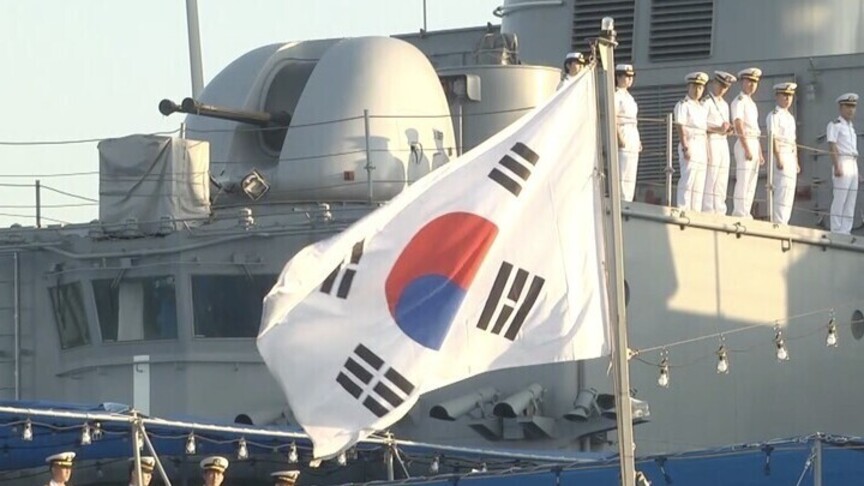
South Korea, a key U.S. Ally in the region, finds itself under pressure to translate diplomatic support into tangible military action. Multiple outlets — AA, Anews and Business Times report that Seoul is making “concrete preparations” to dispatch naval forces to the strait. A National Defence Ministry official told Australia’s SBS that the planned contribution includes P‑8 maritime patrol aircraft, an explosive‑ordnance‑disposal team and a logistics support ship, with roughly 150 troops needed to operate the assets.
South Korean officials stress that any deployment will be subject to approval by the National Security Council, a Cabinet resolution, and a parliamentary vote. The presidential office, however, has repeatedly described media reports of an imminent troop move as “inaccurate,” saying “no decisions have been made regarding this matter.” Yet the administration acknowledges ongoing discussions with allies — including the United States, Britain and France, about ports of call and operational bases for the envisaged mission.
The timing of Seoul’s deliberations is notable. President Donald Trump has publicly chastised the ally for “refusing to take part in action against Iran,” even scaling back a joint amphibious exercise in August. The pressure coincides with a broader U.S. Strategy that, according to the Pentagon, may extend its West‑Asia troop presence to 2027, potentially adding the 82nd Airborne Division to the mix.
What the sanctions target
- Restrictions on Iranian banks’ access to the SWIFT system.
- Asset freezes on entities linked to Iran’s nuclear and missile programmes.
- Limits on exports of dual‑use technology that could assist weapons development.
- Travel bans on individuals tied to Tehran’s proxy networks.
The EU statement stressed that “continued diplomatic efforts” remain essential for a “peaceful solution” and “restoring regional stability.” It also pledged to work with G7 partners to “maintain pressure on Iran and contribute to de‑escalation.”
Timeline of recent developments
| Date | Event |
|---|---|
| Early September 2026 | U.S. Strikes Iranian targets; Iran retaliates with missiles and drones against U.S. Base in Kuwait. |
| 30 August 2026 | EU releases statement at G20 finance ministers’ meeting, confirming support for Operation Economic Outcast. |
| 4 September 2026 | U.S. Treasury Secretary Scott Bessent announces EU’s official participation via X. |
| 4 September 2026 | South Korean defence ministry confirms “concrete preparations” for Hormuz deployment; presidential office denies any final decision. |
These moves come as both Washington and Brussels brace for a potential protracted conflict that could spill over into global energy markets. Analysts note that the sanctions, while aimed at curbing Tehran’s financing, could also push Iran to accelerate its pursuit of alternative revenue streams, such as illicit oil sales, further complicating enforcement.
For Tehran, the growing coalition represents a diplomatic nightmare. In a separate statement, Iran warned that nations “joining US sanctions will be treated as enemies,” a warning echoed on the site here. The Iranian security chief later cautioned neighbouring states against aligning with U.S. Pressure, warning of “serious repercussions” for regional stability.
What to watch next
- Parliamentary vote in South Korea: The National Assembly is expected to consider a motion on Hormuz deployment as early as September 2026.
- EU sanctions extensions: Brussels may issue further measures if diplomatic talks stall, especially regarding Iran’s maritime activities.
- U.S. Military posture: Plans to extend the West Asia deployment to 2027 could bring additional combat units into the theater.
- Oil market reaction: Any escalation that threatens Hormuz shipping will likely push Brent crude higher, affecting global fuel prices.
As the EU solidifies its economic stance and Seoul inches toward a possible naval contribution, the balance of power in the Gulf hangs in a delicate equilibrium. Whether the combined pressure will compel Iran back to negotiations, or push the region toward a broader confrontational flashpoint, remains the central question for policymakers on both sides of the Atlantic and in Seoul.
How significant is this development?
Contribute your assessment to the aggregated reader sentiment ledger.
Frequently Asked Questions
Key questions answered in this reportWhat is the key development in: EU joins US in economic pressure on Iran?
EU joins US in economic pressure on Iran
Why is this World development significant for the UK?
This report covers critical events in our World beat. Independent reporting monitors related UK statements, regulatory shifts, and public responses as further verified details emerge.
How was this reporting corroborated and verified?
Newsarchy UK compiles and cross-references reporting from primary reporting from timesofindia.indiatimes.com and cross-checked wire reports. All coverage adheres to published editorial standards.
When was this report published?
This briefing was published on September 4, 2026 and is permanently cataloged in the Newsarchy UK World archives.


