Saudi Aramco Evacuates Dhahran HQ Amid Escalating Houthi Attacks
Saudi Aramco has ordered staff to evacuate its primary corporate headquarters in Dhahran amid surging cross-border drone and missile attacks.

- Core Development: Saudi Aramco has ordered staff to evacuate its primary corporate headquarters in Dhahran amid surging cross-border drone and missile attacks.
- Beat Context: Categorized under World with independent corroboration.
- Reporting Depth: 4 minute analytical read synthesized from verified newsroom sources.
Saudi Arabia's state-owned energy giant Saudi Aramco has ordered staff to evacuate its corporate headquarters and shift to remote work, marking an unprecedented operational pullback as a surge of cross-border strikes rattles the Gulf kingdom. The extraordinary measure coincides with an ordered departure by the United States State Department, which directed non-emergency government personnel and their families to exit Saudi Arabia amid escalating military friction across the Middle East. The compounding security crisis stems from a collapsed truce in Yemen, drawing the energy superpower deeper into a widening regional conflagration that has disrupted civil aviation, triggered civilian casualties, and unsettled global crude markets.
The escalation follows months of mounting hostilities that shattered a multi-year diplomatic calm. According to reporting synthesized from The Guardian and Timesnownews, essential workers at Aramco's core base in Dhahran were told to leave the campus, following earlier instructions that non-essential colleagues operate remotely. The directive reflects acute vulnerability in the kingdom's eastern oil-producing heartland. Earlier strikes had already inflicted extensive physical damage on energy installations and airports, culminating in the first headquarters evacuation of its kind since the regional conflict began.
Media additions


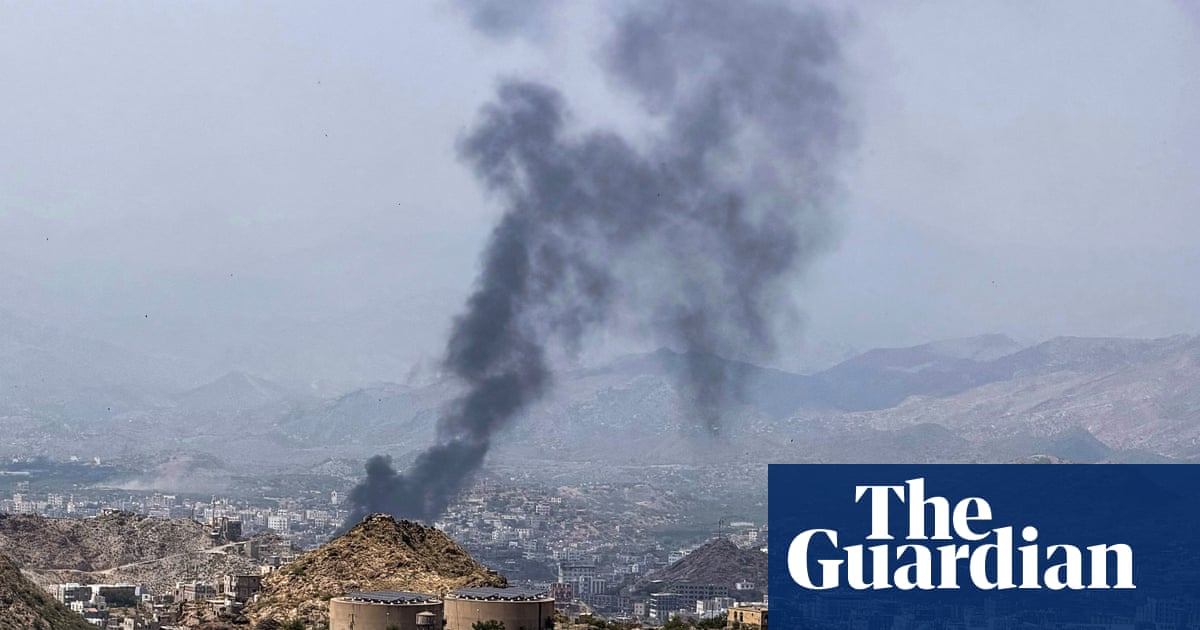
The human cost of the renewed campaign has mounted sharply. Saudi authorities confirmed that falling debris from an intercepted drone targeting a facility at the Shaybah oil field killed two workers—identified by the Saudi energy ministry as Nepali and Filipino nationals—and injured two others. Simultaneously, a strike struck King Fahd International Airport in Dammam, killing two people and wounding eight others. Flight-tracking services noted immediate diversions and significant operational halts as civil aviation authorities scrambled to secure airspace. These incidents follow an even deadlier attack earlier in the month on Riyadh's international airport, which CBS News reported resulted in numerous casualties, including one American citizen.
In Washington, the State Department acted swiftly to mitigate risks to American personnel. State Department spokesperson Tommy Pigott announced that the mandatory departure order applied strictly to non-emergency US government employees and their family members in Saudi Arabia only. This assertion pushed back against widespread reports by The Guardian and Reuters citing unnamed diplomatic sources who claimed similar drawdowns were underway or planned for American missions in the United Arab Emirates, Jordan, Qatar, and Bahrain. Meanwhile, NBC News reported that the U.S. Military has quietly reduced its footprint across several regional bases to optimize operational readiness, a movement characterized by U.S. Central Command as routine posture adjustments rather than an emergency retreat.
| Incident / Metric | Reported Impact / Details | Key Sources |
|---|---|---|
| Saudi Aramco Dhahran HQ | Corporate headquarters evacuated; essential staff directed to work remotely. | Timesnownews, The Guardian |
| Dammam Airport Attack | Strike at King Fahd International Airport killed two people and injured eight others. | DW, Timesnownews |
| Shaybah Oilfield Strike | Intercepted drone debris killed two workers (Nepali and Filipino) and injured two. | Global News, Timesnownews |
| U.S. Diplomatic Action | Ordered departure issued for non-emergency personnel and families in Saudi Arabia. | CBS News, DW, Arise, The Guardian |
The geopolitical shockwaves extend far beyond diplomatic outposts, deeply touching regional commerce and international energy corridors. As detailed in Rtvonline coverage of International Monetary Fund assessments, the cascading disruption has constrained crude shipments due to naval blockades and maritime tensions near the Strait of Hormuz and the Bab el-Mandeb chokepoint. Yet, IMF regional director Jihad Azour observed that the immediate financial toll on Riyadh remains restricted by robust domestic demand and a resilient public sector. Nevertheless, macroeconomic forecasts project a sharp contraction for the broader regional economy, accompanied by surging oil prices amid trader anxiety over potential supply shocks.
Broader context from Al Jazeera highlights that these developments unfold against the backdrop of an aggressive doctrinal shift by Iran's Islamic Revolutionary Guard Corps, which has vowed to expand retaliatory strikes into an offensive posture should hostilities persist. Regional analysts interviewed across the reporting pack warn that the convergence of stalled diplomatic talks, upcoming political cycles in the United States and Israel, and intensified Houthi drone capabilities leaves the security architecture of the Arabian Peninsula in an exceptionally volatile state.
As the situation develops, observers and international markets will be monitoring several critical indicators:
- The timeline for any potential resumption of full operations at Saudi Aramco’s Dhahran facility and key commercial airports.
- Further announcements from the U.S. State Department regarding regional diplomatic staffing postures across the wider Gulf.
- Developments surrounding the U.S. Midterm elections on November 3, which media reports suggest could influence the timing of broader military actions in the region.
- Defensive security deployments, including potential allied air defense operations to assist Saudi forces against incoming aerial threats.
For ongoing updates on regional security and international diplomacy, consult our dedicated World coverage.
How significant is this development?
Contribute your assessment to the aggregated reader sentiment ledger.
Frequently Asked Questions
Key questions answered in this reportWhat is the key development in: Saudi Aramco Evacuates Dhahran HQ Amid Escalating Houthi Attacks?
Saudi Aramco has ordered staff to evacuate its primary corporate headquarters in Dhahran amid surging cross-border drone and missile attacks.
Why is this World development significant for the UK?
This report covers critical events in our World beat. Independent reporting monitors related UK statements, regulatory shifts, and public responses as further verified details emerge.
How was this reporting corroborated and verified?
Newsarchy UK compiles and cross-references reporting from primary reporting from timesnownews.com and cross-checked wire reports. All coverage adheres to published editorial standards.
When was this report published?
This briefing was published on October 23, 2026 and is permanently cataloged in the Newsarchy UK World archives.


