Indonesia Extends Airport Closures Despite Easing Anak Krakatau Eruption
Transportation authorities maintain strict airport closures across Indonesia as the Anak Krakatau eruption subsides, citing unpredictable winds.
- Core Development: Transportation authorities maintain strict airport closures across Indonesia as the Anak Krakatau eruption subsides, citing unpredictable winds.
- Beat Context: Categorized under World with independent corroboration.
- Reporting Depth: 4 minute analytical read synthesized from verified newsroom sources.
Indonesia is maintaining strict closures across several regional and capital air transport hubs while adjusting local education measures, even as authorities report that the explosive phase of the Anak Krakatau volcano is beginning to subside. The continuing safety precautions follow a massive regional disruption that grounded flights and left travelers stranded across the archipelago.
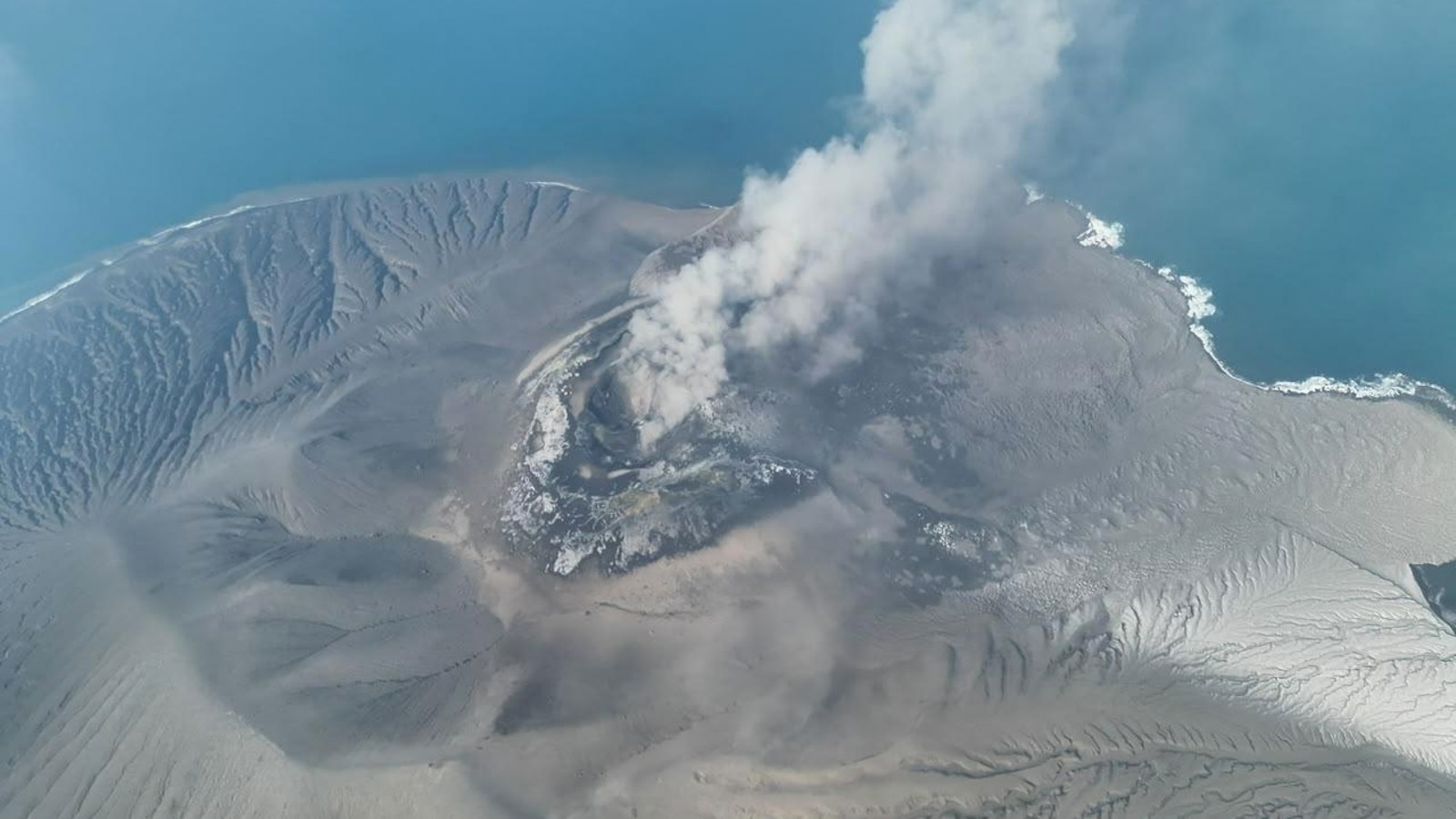
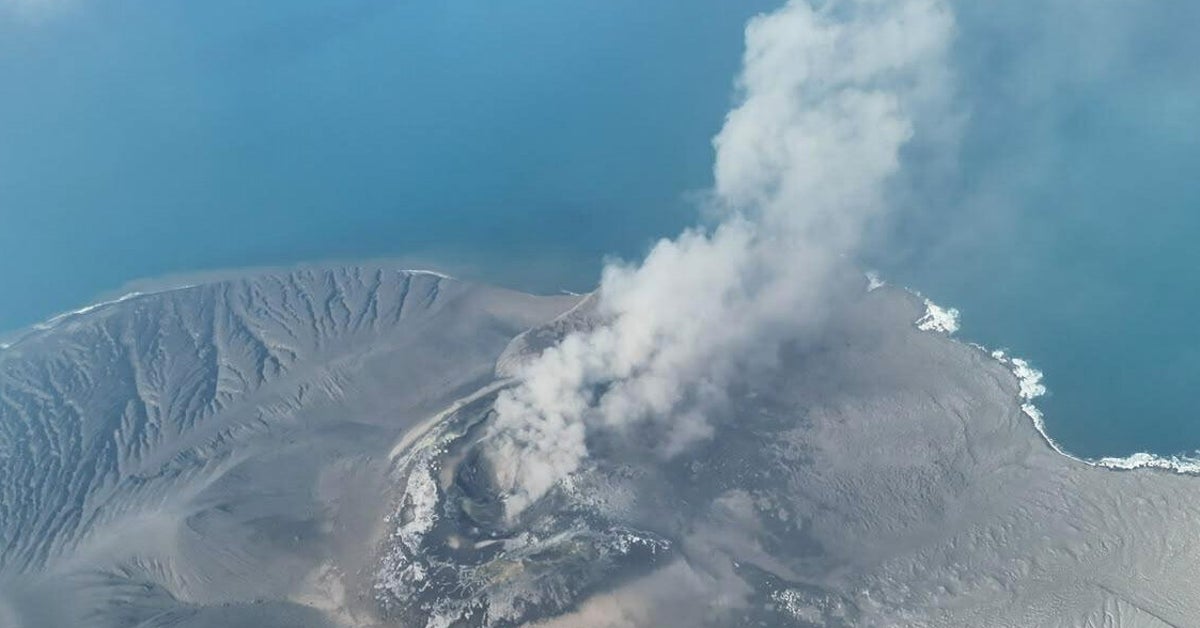
The continuous eruption of Anak Krakatau ended after a prolonged 25-hour period that produced lava fountains and a boom audible hundreds of kilometers away, according to official reports. Yet the geological site remained active with moderate intermittent eruptions, dark ash emissions, and localized seismic activity. Transportation Minister Dudy Purwagandhi explained that authorities chose a conservative operational posture because wind patterns remain unpredictable.
Media additions

"We are taking a conservative approach because wind direction is highly dynamic,"
Dudy Purwagandhi, Transportation Minister
Purwagandhi emphasized the need to verify that volcanic ash had fully cleared surrounding airspaces before permitting aircraft movement, noting that the extended closures also allowed operators to inspect and clean runways, taxiways, aprons, and exposed aircraft.
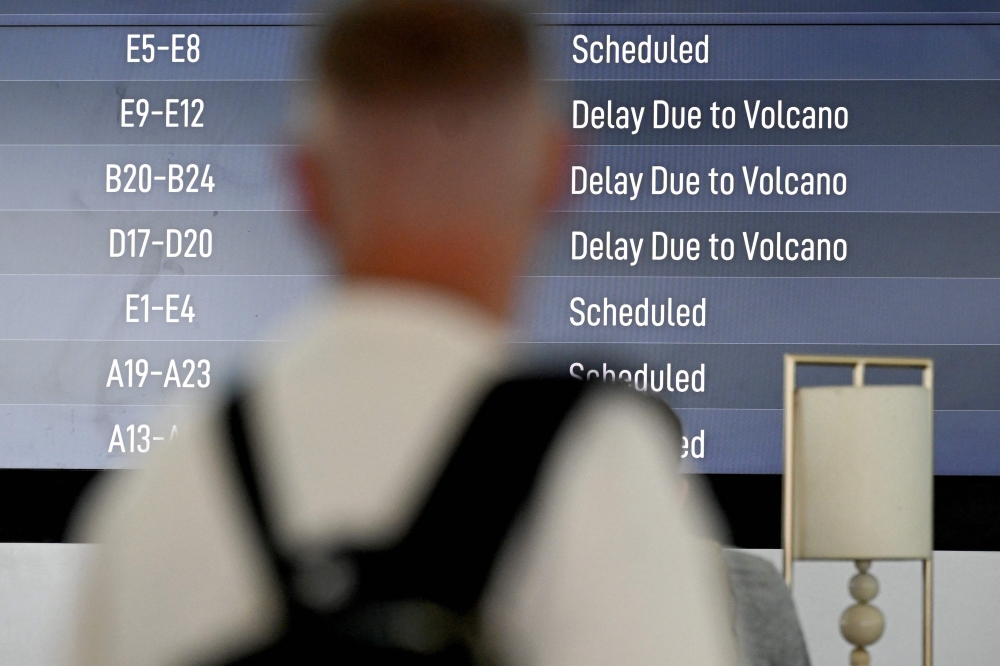
The travel chaos rippled widely through Southeast Asian transit networks, throwing regional air traffic into severe disorder. Differing official assessments highlighted the massive scale of the disruption across the archipelago. The transport ministry reported that eight airports had halted operations over the weekend, leaving more than 270,000 passengers stranded due to flights canceled, delayed, or diverted since 5 September 2026. Other official updates placed the cumulative stranded total closer to 170,000 travelers affected by more than 1,500 canceled flights, while separate reporting pushed the affected passenger count to over 340,000 as closures at Jakarta's primary hub were repeatedly extended. Nearly 3,000 flights were disrupted overall as several airports suspended operations because of the ash cloud.
| Metric / Estimate | Reported Figure | Reporting Entity |
|---|---|---|
| Total Affected Passengers (Lower Estimate) | 170,000 | Transport Ministry / Yahoo News / HuffPost / The Guardian |
| Total Affected Passengers (Mid Estimate) | 270,000 | Transport Ministry |
| Total Affected Passengers (Upper Estimate) | 340,000 | Transport Ministry / Punch Newspapers / The Straits Times / NST Online |
| Canceled or Disrupted Flights | Nearly 3,000 | BBC News via Punch / Transport Ministry |
| Maximum Ash Cloud Altitude (Sumatra side) | 15,200 meters (50,000 feet) | BMKG / Darwin Volcanic Ash Advisory Centre |
Airlines and airport operators faced immense operational backlogs as they confronted the daunting challenge of rebooking tens of thousands of displaced customers. Passengers described scenes of confusion and crowded departure halls as schedules shifted repeatedly throughout the crisis. Stranded travelers shared their experiences while waiting at terminals or searching for alternative arrangements. French painter Carol Odile, traveling with a group of friends to see Komodo dragons in Flores, discovered the disruption upon arriving at the airport. Italian software engineer Michel Miegge, stranded with his girlfriend, noted the difficulty of finding accommodations as nearby hotels filled up. Spanish tourist Diego Urdiales and Indonesian passenger Michele Gouw both acknowledged the situation as a force majeure natural disaster, noting they had to accept the circumstances while awaiting airline directions. Other travelers took alternative routes, such as Finna, who traveled overnight on two intercity trains after repeated schedule changes created confusion, while Jo Shaw canceled camping plans in Ujung Kulon National Park. Health Minister Budi Gunadi Sadikin called on the public to remain calm and protect their airways, while authorities deployed emergency forces and distributed breathing masks.
Beyond aviation, the natural disaster prompted widespread public health and environmental interventions. Local authorities in affected sectors deployed water trucks to wash heavy dust from roadways, and health officials urged citizens to wear protective masks and safety goggles. Governments authorized schools in the worst-hit zones to transition temporarily to online instruction. Authorities also planned to use cloud seeding to trigger artificial rain to wash volcanic ash out of the atmosphere and off affected areas.
Scientific monitors continue to track the volcano closely. Located in the Sunda Strait between Java and Sumatra, Anak Krakatau emerged from the caldera of the legendary 1883 eruption. Geological Agency head Lana Saria warned that despite the easing of the initial eruption phase, the ongoing magma supply means the probability of further explosive activity remains high. Authorities maintained a strict exclusion zone around the crater, prohibiting maritime traffic from approaching within a three-kilometer radius and urging ships passing through the strait to increase vigilance for navigation safety. The Darwin Volcanic Ash Advisory Centre and BMKG identified multiple ash clouds reaching altitudes between 20,000 feet and 50,000 feet, drifting across Jakarta, Banten, West Java, Lampung, Bengkulu, and parts of the Indian Ocean.
What happens next depends entirely on meteorological shifts and geological stability. While Jakarta's main aviation hub and several regional strips resumed normal operations, airport operators continue conducting safety tests every thirty minutes, inspecting runways and taxiways for lingering debris while awaiting definitive clearance from aviation safety regulators to fully normalize flight schedules.
How significant is this development?
Contribute your assessment to the aggregated reader sentiment ledger.
Frequently Asked Questions
Key questions answered in this reportWhat is the key development in: Indonesia Extends Airport Closures Despite Easing Anak Krakatau Eruption?
Transportation authorities maintain strict airport closures across Indonesia as the Anak Krakatau eruption subsides, citing unpredictable winds.
Why is this World development significant for the UK?
This report covers critical events in our World beat. Independent reporting monitors related UK statements, regulatory shifts, and public responses as further verified details emerge.
How was this reporting corroborated and verified?
Newsarchy UK compiles and cross-references reporting from primary reporting from Punch Newspapers and cross-checked wire reports. All coverage adheres to published editorial standards.
When was this report published?
This briefing was published on September 8, 2026 and is permanently cataloged in the Newsarchy UK World archives.