Israeli strikes on southern Lebanese town kill 11, state news agency says
Overnight Israeli airstrikes on the southern Lebanese town of Kfar Rumman killed at least 11 people, shattering a June ceasefire agreement.

- Core Development: Overnight Israeli airstrikes on the southern Lebanese town of Kfar Rumman killed at least 11 people, shattering a June ceasefire agreement.
- Beat Context: Categorized under World with independent corroboration.
- Reporting Depth: 3 minute analytical read synthesized from verified newsroom sources.
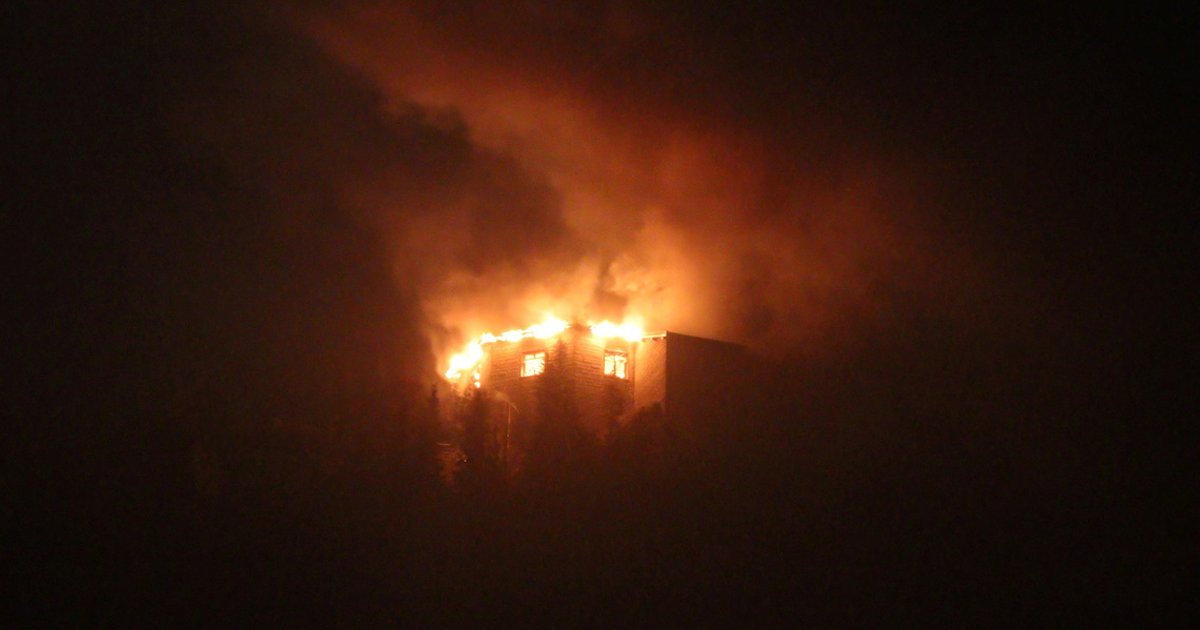
Israeli airstrikes on the southern Lebanese town of Kfar Rumman early on Monday, 7 September 2026, killed at least 11 people, including children and medical personnel, according to Lebanon's state-run National News Agency. The overnight bombardment shattered a June ceasefire agreement and followed recent military advances by Israel, which claimed operational control of the strategic Ali al-Taher hill overlooking nearby villages and main routes to Nabatiyeh.
Just after midnight, Israeli warplanes struck a three-storey residential building near the town's Shuyuiya roundabout without issuing a prior online evacuation warning, according to reports from Lebanon's National News Agency. A separate Israeli drone strike targeted a civilian vehicle in the same town, killing a paramedic belonging to the Islamic Risala Scout Association—an emergency service affiliated with the Amal movement—and wounding two others, as detailed by Lebanon's Health Ministry and Al Jazeera. The Health Ministry also reported that an emergency service worker from the Hezbollah-linked Islamic Health Association was among those injured in the building strike.
Media additions


The Israel Defense Forces maintained that the operations targeted infrastructure sites belonging to Hezbollah and several militants transferring weapons. The military stated the strikes were carried out in retaliation for two explosive drone attacks launched by Hezbollah fighters against Israeli troops operating in the Ali al-Taher ridge area. The strikes in Kfar Rumman followed an evacuation warning issued for Deir al-Zahrani, where another building was struck overnight, while weekend attacks in nearby Arab Salim and Nabatiyeh al-Fawqa left multiple additional fatalities, according to Al Jazeera and AP News reports.
| Casualty Category | Reported Figures | Reporting Source |
|---|---|---|
| Kfar Rumman Building Strike | 9 to 11 killed | Lebanese State Media & Health Ministry via CBC and Al Jazeera |
| Vehicle Strike (Medics) | 2 medics killed | Al Jazeera, AP News, and National News Agency |
| Wounded in Kfar Rumman | 8 to 13 injured | AP News and Lebanese Health Ministry |
Local residents expressed shock and defiance amid the ruins. Standing before the flattened structure in Kfar Rumman, local resident Fouad Chakaron remarked:
"We have been living in constant anxiety amid shelling on the outskirts. Now they struck the heart of the town."
Fouad Chakaron, Resident, via AP News
Another resident, Saleh Medlej, pointed to the destroyed building and questioned the nature of the target, emphasizing that families with children lived there before vowing to remain in his hometown despite the ongoing bombardment. Abdullah Farhat, the mayor of Kfar Rumman, described the event as a massacre in every sense of the word and criticized political leaders over the unfulfilled framework agreement.
The diplomatic architecture designed to pacify the border region has hit a severe roadblock. Under the June US-brokered arrangement, Israeli forces were meant to execute a phased withdrawal from southern Lebanon in exchange for the disarmament of Hezbollah and deployment of the Lebanese army. However, Hezbollah has refused to surrender its weapons north of the Litani River, while Israeli officials insist on nationwide disarmament before pulling back. Lebanese President Joseph Aoun warned that the dangerous escalation was jeopardising the June ceasefire and urged the international community to pressure Israel to stop the attacks.
Observers note that recovery operations in Kfar Rumman have largely superseded rescue efforts as civil defense workers comb through the rubble. Residents such as Sara Moallaem are left packing their belongings repeatedly, facing the grim choice of displacement or enduring nocturnal bombardments.
How significant is this development?
Contribute your assessment to the aggregated reader sentiment ledger.
Frequently Asked Questions
Key questions answered in this reportWhat is the key development in: Israeli strikes on southern Lebanese town kill 11, state news agency says?
Overnight Israeli airstrikes on the southern Lebanese town of Kfar Rumman killed at least 11 people, shattering a June ceasefire agreement.
Why is this World development significant for the UK?
This report covers critical events in our World beat. Independent reporting monitors related UK statements, regulatory shifts, and public responses as further verified details emerge.
How was this reporting corroborated and verified?
Newsarchy UK compiles and cross-references reporting from primary reporting from apnews.com and cross-checked wire reports. All coverage adheres to published editorial standards.
When was this report published?
This briefing was published on September 7, 2026 and is permanently cataloged in the Newsarchy UK World archives.