Japan executes man for 2009 Osaka pachinko parlour arson that killed five
Japan carried out its first execution in fourteen months, hanging a 58-year-old inmate convicted of a 2009 arson attack on an Osaka gaming venue.
- Core Development: Japan carried out its first execution in fourteen months, hanging a 58-year-old inmate convicted of a 2009 arson attack on an Osaka gaming venue.
- Beat Context: Categorized under World with independent corroboration.
- Reporting Depth: 3 minute analytical read synthesized from verified newsroom sources.
Japan carried out its first execution in fourteen months on Friday, 21 August 2026, putting to death a 58-year-old inmate convicted of a deadly arson attack on a gaming venue. According to reporting by Jiji Press, the hanging of Sunao Takami took place at the Osaka Detention House, marking the first capital punishment authorized under the administration of Prime Minister Sanae Takaichi, who took office last October.
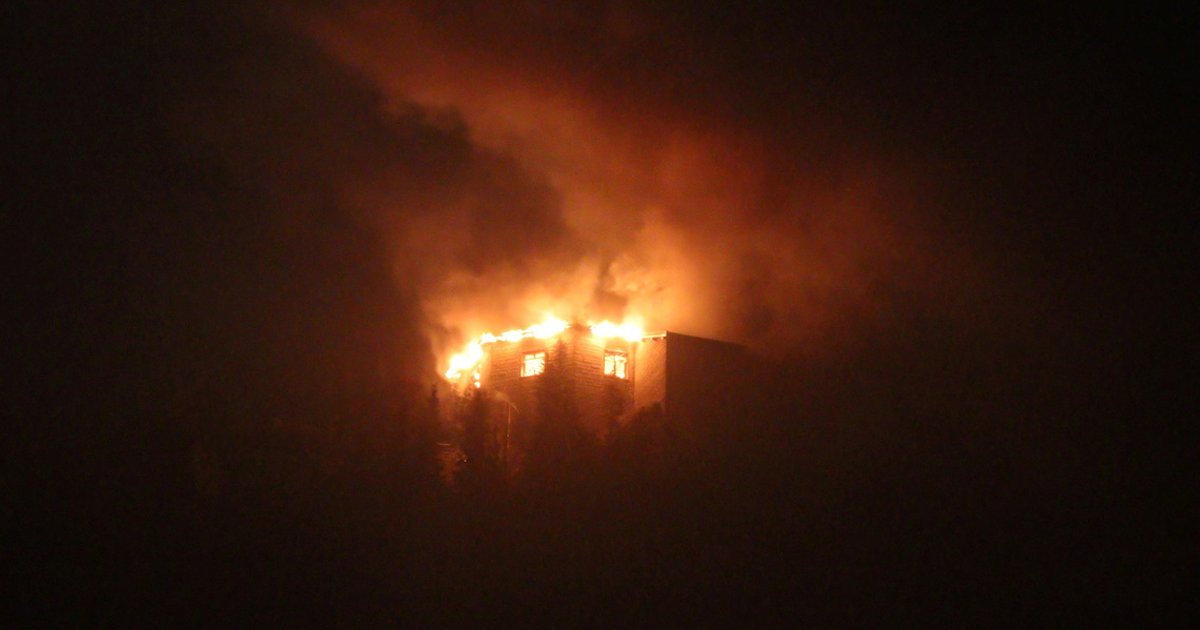
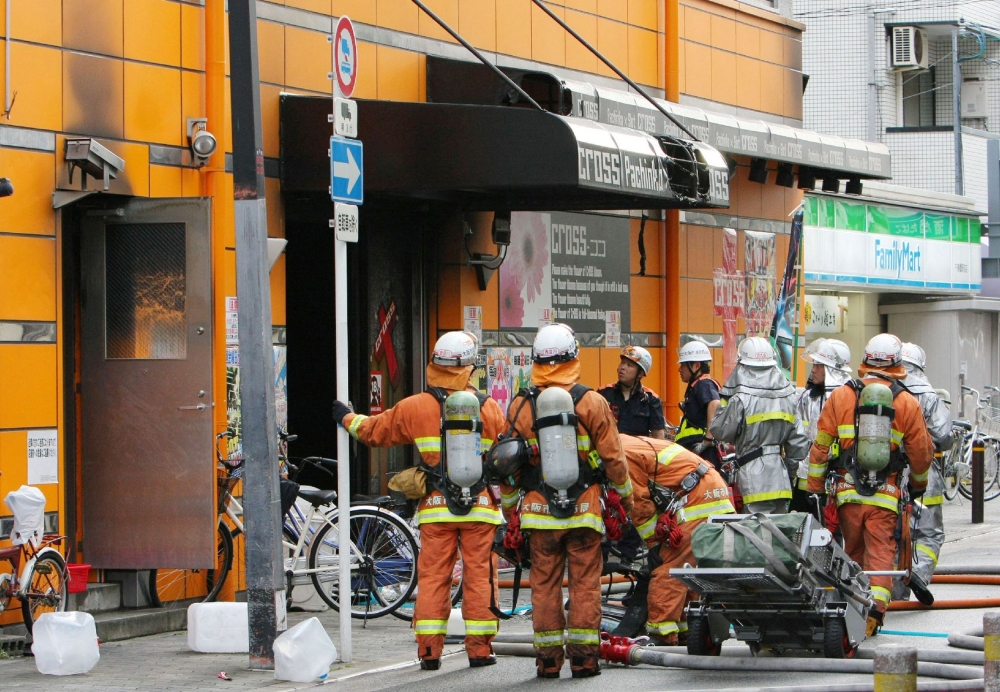
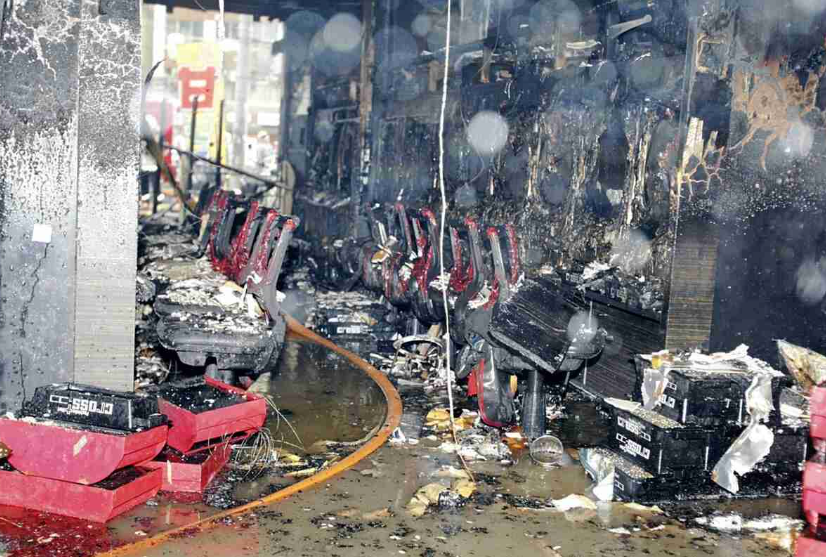
Authorities detailed that Takami carried out the attack in 2009 by dousing a pachinko parlour — a popular game mixing pinball and a slot machine using small steel balls — near his home in Osaka with petrol and set it on fire, killing four customers and one employee. The fire resulted in the deaths of four customers and one employee. The execution was carried out at the Osaka Detention House 17 years after the crime.
Media additions
"The crime was extremely serious and brought enormous shock and terror to society,"
Hiroshi Hiraguchi, Justice Minister, via Jiji Press
Justice Minister Hiroshi Hiraguchi said at a press conference that he ordered the execution after a very careful consideration, having signed the execution order Tuesday. As reported by Malay Mail, this represents the first hanging since Takahiro Shiraishi, the “Twitter killer” who murdered and dismembered nine people, was put to death in June 2025. Following Takami's execution, the total number of death-row inmates in Japan now stands at 100, according to the ministry.
Japanese law stipulates that executions must be carried out within six months of a final verdict after appeals are exhausted. In reality, however, most inmates are left on tenterhooks in solitary confinement for years, and sometimes decades, with sometimes severe consequences for their mental health.
Japan and the United States are the only two G7 countries to still use capital punishment, and surveys suggest there is strong support among the Japanese public. In a 2024 government survey, 83 per cent saw the death penalty as “unavoidable”, although it also found those in favour of abolishing capital punishment had risen to 17 per cent from nine per cent five years earlier. Nonetheless, the same survey registered an increase in those favoring abolition, rising to 17 per cent from nine per cent five years prior.
However, there is also widespread criticism of the system, with death row inmates typically only informed on the morning of their last day that they are about to be hanged. Campaigners have also shone a light on what they call “hostage justice” when suspects are held for lengthy periods in pre-trial detention and pressured to confess. The government is also accused of a lack of transparency, as the justice ministry only began disclosing the names of executed inmates in 2007.
Most famously Iwao Hakamada spent decades on death row for a 1966 quadruple murder before finally being released in 2014 and finally exonerated in 2024 at age 88. A court ruled that investigators had tampered with evidence and said the ex-boxer had suffered “inhumane interrogations meant to force a statement”, making him only the fifth death row inmate granted a retrial in Japan’s post-war history. All four previous cases also resulted in exonerations.
Execution frequency context
- 2018: 15 executions, which included guru Shoko Asahara and 12 former members of the Aum Shinrikyo doomsday cult, which orchestrated the 1995 sarin gas attacks on Tokyo’s subway system that killed 14 people.
- 2019: 3 executions.
- 2021: 3 executions.
- 2022: There was one execution in 2022.
- 2025: 1 execution in June 2025.
- 2026: Sunao Takami, the man executed today.
How significant is this development?
Contribute your assessment to the aggregated reader sentiment ledger.
Frequently Asked Questions
Key questions answered in this reportWhat is the key development in: Japan executes man for 2009 Osaka pachinko parlour arson that killed five?
Japan carried out its first execution in fourteen months, hanging a 58-year-old inmate convicted of a 2009 arson attack on an Osaka gaming venue.
Why is this World development significant for the UK?
This report covers critical events in our World beat. Independent reporting monitors related UK statements, regulatory shifts, and public responses as further verified details emerge.
How was this reporting corroborated and verified?
Newsarchy UK compiles and cross-references reporting from primary reporting from malaymail.com and cross-checked wire reports. All coverage adheres to published editorial standards.
When was this report published?
This briefing was published on August 21, 2026 and is permanently cataloged in the Newsarchy UK World archives.