Malaysia cracks down on social media hiking trend after jump in numbers needing rescue
Malaysia is tightening nationwide hiking regulations and banning high-risk compressed hikes following a surge in emergency rescues driven by social media trends.
- Core Development: Malaysia is tightening nationwide hiking regulations and banning high-risk compressed hikes following a surge in emergency rescues driven by social media trends.
- Beat Context: Categorized under World with independent corroboration.
- Reporting Depth: 3 minute analytical read synthesized from verified newsroom sources.
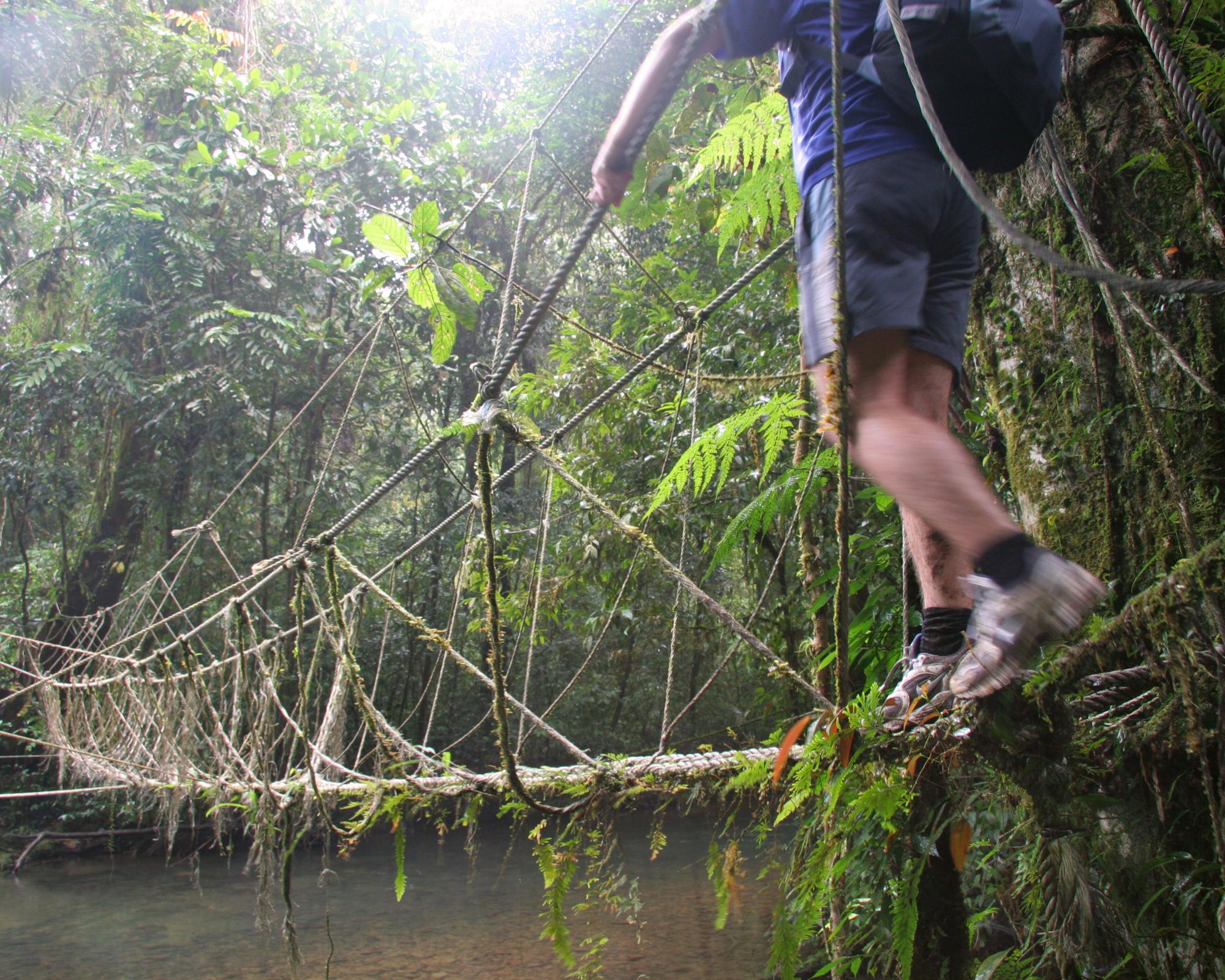
Malaysia is moving to tighten hiking regulations nationwide in response to a surge in emergency callouts, as authorities grapple with internet-driven adventure culture. The regulatory crackdown follows a notable rise in adventurers getting lost or stranded in remote locations while chasing digital clout.
According to figures provided to local media by the Malaysian Fire and Rescue Department, the country recorded 52 cases of lost hikers during the first five months of 2026. This represents an increase of nearly 30% compared with the same period during the previous year.
Media additions
Experts and mountain guides point directly to the digital sphere for the spike in dangerous incidents. Norimah Abd Karim, who is part of an association of certified forestry mountain guides, explained earlier in the year that social media aesthetics are overriding basic survival instincts.
Many participants intentionally carry minimal gear to emulate professional trail runners for their online audiences."There are hikers who focus more on getting interesting content that they are willing to take risks and neglect their own safety."
The phenomenon is heavily fueled by outdoor influencer communities, colloquially referred to as "hike-tok". These creators have popularized aggressive styles of exploration, including "compressed hikes". These involve shortened versions of demanding hikes, often tackled within a single day or combining an ascent and descent that would usually be spread over a longer period. Observers note that these trends foster an achievement-based relationship with nature, encouraging hikers to engage in "bagging peaks" by seeking to tick off as many mountain summits as possible regardless of the physical toll.
Permits are already required to hike in state parks and forests, but oversight is now expanding significantly across the country.
Syed Ibrahim Syed Noy, the deputy minister of natural resources and environmental sustainability, detailed the legislative changes to the upper house of Malaysia’s parliament on Wednesday. Compressed hikes have now been banned at many high-risk mountainous areas nationwide. Commenting on the legislative action through the Malaysian national news agency Bernama, Syed Ibrahim stated that hikers underestimating the importance of preparation while driven by social media trends have heightened emergency risks.
The government's primary motivation is practical as much as it is preventative.
said Syed Ibrahim."The government’s priority is to reduce the risk of hikers getting lost and prevent accidents, thereby minimising the need for SAR [Search and Rescue] operations, which require substantial financial resources and manpower,"
New National Hiking Measures
- Mandatory guides introduced in 189 high-risk locations.
- Bans enacted on compressed hikes across numerous high-risk mountainous zones.
- Strengthened pre-climb screening measures, including mandatory health declarations, medical history checks, and insurance coverage requirements.
- State-level enforcement variations, with at least one state refusing to approve compressed hiking applications outright and another establishing minimum climbing periods of several days for certain routes.
While it remains unclear exactly how the ban will be uniformly policed in every remote tract of wilderness, state-level authorities are tailoring restrictions independently to curb dangerous ascents. The government continues to implement these heightened pre-climb screening protocols and mandatory guide requirements to address the ongoing strain on search and rescue resources.
How significant is this development?
Contribute your assessment to the aggregated reader sentiment ledger.
Frequently Asked Questions
Key questions answered in this reportWhat is the key development in: Malaysia cracks down on social media hiking trend after jump in numbers needing rescue?
Malaysia is tightening nationwide hiking regulations and banning high-risk compressed hikes following a surge in emergency rescues driven by social media trends.
Why is this World development significant for the UK?
This report covers critical events in our World beat. Independent reporting monitors related UK statements, regulatory shifts, and public responses as further verified details emerge.
How was this reporting corroborated and verified?
Newsarchy UK compiles and cross-references reporting from primary reporting from aol.co.uk and cross-checked wire reports. All coverage adheres to published editorial standards.
When was this report published?
This briefing was published on August 3, 2026 and is permanently cataloged in the Newsarchy UK World archives.