Trump-Putin call planned ‘very soon’ as Russia reports pneumonic plague-related death
President Donald Trump announced an upcoming phone call with Vladimir Putin following the pneumonia-related death of a Siberian laboratory researcher, as international health agencies press Moscow for transparency.
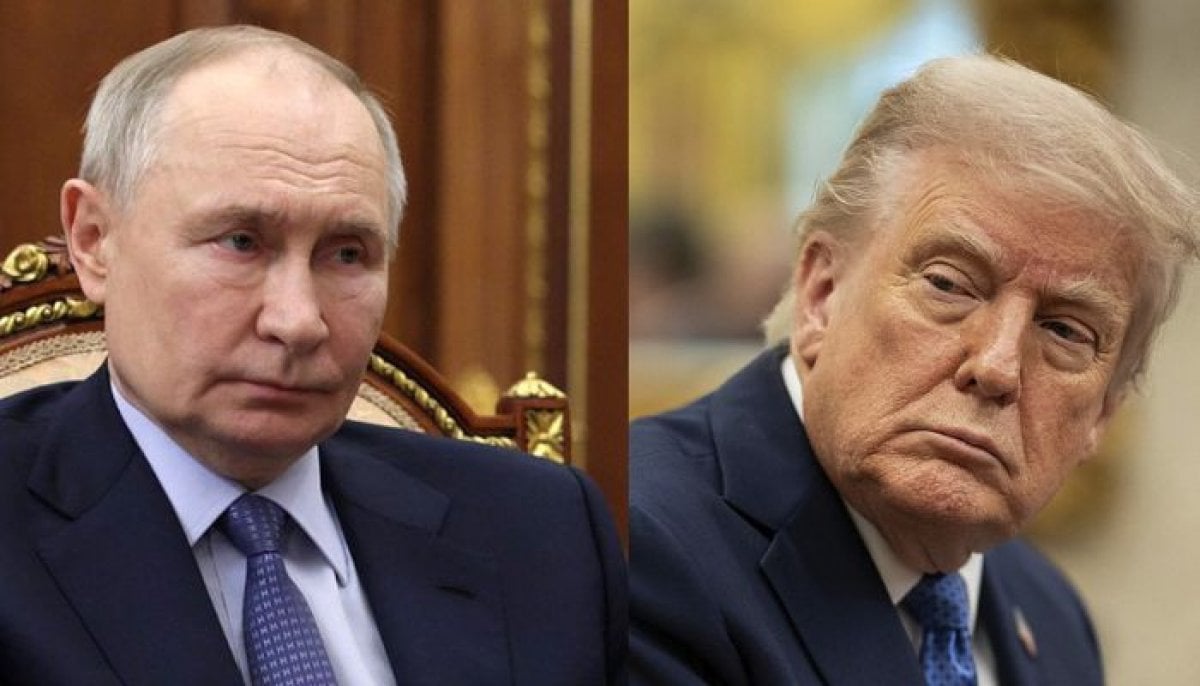
- Core Development: President Donald Trump announced an upcoming phone call with Vladimir Putin following the pneumonia-related death of a Siberian laboratory researcher, as international health agencies press Moscow for transparency.
- Beat Context: Categorized under World with independent corroboration.
- Reporting Depth: 3 minute analytical read synthesized from verified newsroom sources.
A high-level diplomatic exchange between Washington and Moscow is taking shape following conflicting accounts surrounding the death of a laboratory researcher in Siberia, which has triggered international health inquiries and heightened political pressure on the Kremlin.
The diplomatic friction centers on the death of Daria Shipilova, a 28-year-old researcher who worked at the Irkutsk Anti-Plague Institute of Siberia and the Far East in Shelekhov. Shipilova died on October 2, after falling ill with severe respiratory symptoms. Independent local reporting suggested she may have been exposed to Yersinia pestis—the bacterium responsible for pneumonic plague—following a broken test tube in the laboratory. The incident led authorities to place roughly 200 people under medical observation.
Media additions
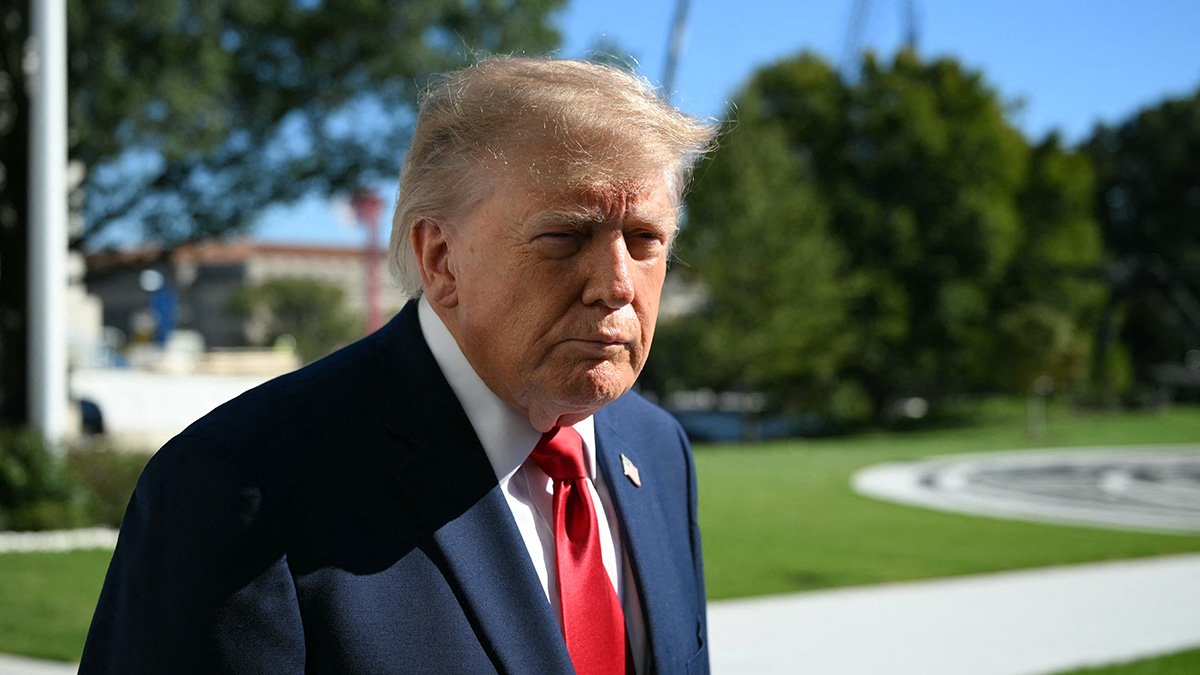


As The News reports, President Trump told reporters that a phone conversation with his Russian counterpart was scheduled
and would take place very soon.
Elaborating during a White House press gaggle covered by CNBC, Trump noted that U.S. Intelligence agencies were engaged in deep discussions regarding the event, adding that further official updates would likely follow. The outreach follows earlier statements where Trump offered Washington's assistance, describing the illness as a tough disease whose microbes had grown stronger.
Official responses from Moscow have sharply rejected viral rumors and independent media claims. According to AOL.com, Kremlin spokesman Dmitry Peskov criticized media coverage as false and maintained that the World Health Organization had been properly informed under established procedures. Rospotrebnadzor maintained that subsequent biological testing of Shipilova's samples found no microorganisms linked to her professional work, and tests on her isolated contacts yielded negative results for the plague, identifying only isolated cases of COVID-19 and rhinovirus.
| Entity / Agency | Stated Position on Risk | Official Action Taken |
|---|---|---|
| World Health Organization | Assesses general public health risk as very low. | Requested transparent pathogen details under international health regulations. |
| U.S. Centers for Disease Control and Prevention | No indication of a broader threat to the United States. | Monitoring reports and coordinating interagency responses. |
| Rospotrebnadzor (Russia) | Insists sanitary situation is stable; denies plague transmission. | Quarantined contacts, dispatched inspectors, and tested samples. |
International pressure has mounted alongside these developments. As detailed by Kyiv Post and The Straits Times, the U.S. State Department submitted a formal diplomatic request via a confidential demarche, urging Russian authorities to share accurate information openly. Secretary of State Marco Rubio, speaking during a visit to Iceland, emphasized that it was incumbent upon Moscow to provide clarity while cautioning against premature speculation.
Global health bodies have sought to calm wider panic. The World Health Organization confirmed it had formally received assurances from Russian officials that no confirmed plague cases exist in Irkutsk. WHO Director-General Tedros Adhanom Ghebreyesus stressed that complete and transparent data sharing remains essential, though the organization maintains that the risk of international spread is negligible. Similar cautious stances were shared by neighboring Mongolia, which bolstered border monitoring while assessing the local threat as low.
The unfolding situation intersects with broader geopolitical tensions, including ongoing conflicts and diplomatic strains addressed across our broader world coverage. Observers are now watching for the outcomes of the scheduled presidential dialogue and further evaluations from international health authorities.
How significant is this development?
Contribute your assessment to the aggregated reader sentiment ledger.
Frequently Asked Questions
Key questions answered in this reportWhat is the key development in: Trump-Putin call planned ‘very soon’ as Russia reports pneumonic plague-related death?
President Donald Trump announced an upcoming phone call with Vladimir Putin following the pneumonia-related death of a Siberian laboratory researcher, as international health agencies press Moscow for transparency.
Why is this World development significant for the UK?
This report covers critical events in our World beat. Independent reporting monitors related UK statements, regulatory shifts, and public responses as further verified details emerge.
How was this reporting corroborated and verified?
Newsarchy UK compiles and cross-references reporting from primary reporting from Livemint and cross-checked wire reports. All coverage adheres to published editorial standards.
When was this report published?
This briefing was published on October 7, 2026 and is permanently cataloged in the Newsarchy UK World archives.