Maltese Businessman Acquitted of Hiring Bomb Gang That Killed Investigative Journalist
Maltese Businessman Acquitted of Hiring Bomb Gang That Killed Investigative Journalist
- Core Development: Maltese Businessman Acquitted of Hiring Bomb Gang That Killed Investigative Journalist
- Beat Context: Categorized under World with independent corroboration.
- Reporting Depth: 5 minute analytical read synthesized from verified newsroom sources.
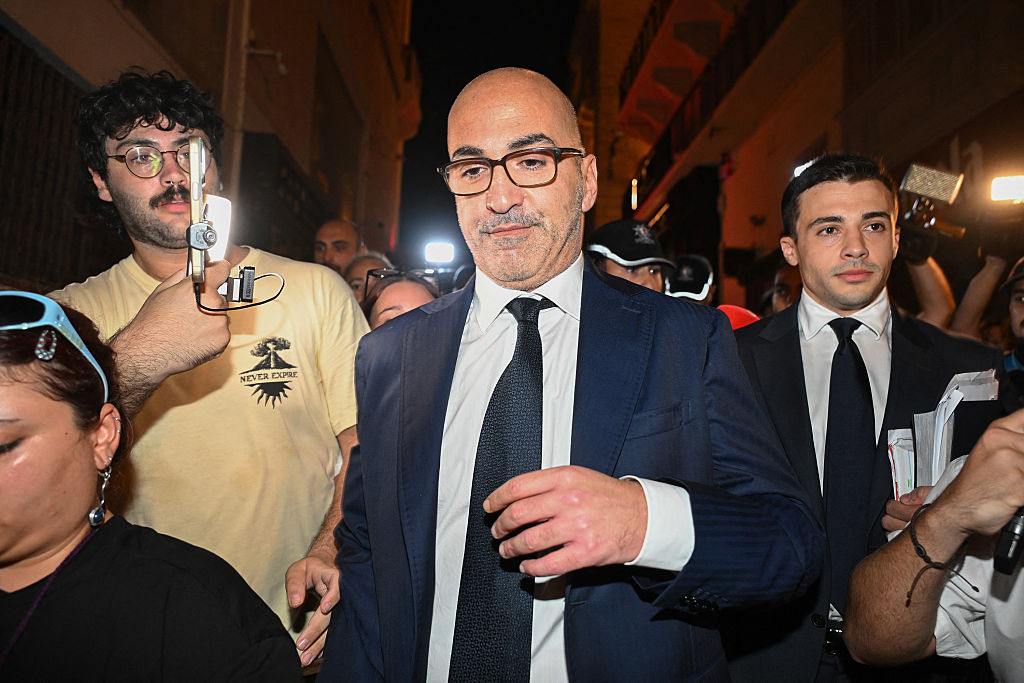
Yesterday’s verdict liberates Yorgen Fenech, the 44‑year‑old heir to a Maltese property empire, after an eight‑hour jury deliberation concluded with an 8‑1 vote that he was not guilty of complicity in the 2017 car‑bomb murder of Daphne Caruana Galizia. The decision closes the last criminal chapter of the case that toppled a government, ignited European‑wide protests and cast a long shadow over Malta’s rule of law.
The acquittal matters now because the European Union and international press‑freedom bodies have long warned that Malta’s failure to hold the alleged mastermind accountable signals a “culture of impunity.” With the jury’s decision, the pressure to reform the island’s judiciary and to safeguard journalists intensifies, even as the government urges calm.
Media additions

Key milestones in the Caruana Galizia case
- 16 Oct 2017 – Caruana Galizia is killed when a text‑triggered bomb explodes under her car outside her home in Bidnija.
- 2019 – Fenech is arrested on his yacht while attempting to leave Malta after a middleman in the murder receives a presidential pardon for cooperating with prosecutors.
- 2021 – An independent three‑judge inquiry reports that the Maltese state “has to bear responsibility” for the assassination, citing an “atmosphere of impunity.”
- 2022 – Brothers George and Alfred Degiorgio plead guilty to carrying out the bombing and receive 40‑year sentences.
- 2025 – Robert Agius and Jamie Vella are convicted of supplying the explosives and sentenced to life imprisonment.
- 2 Sept 2026 – A Valletta jury acquits Fenech of both complicity in murder and criminal association to commit murder.
The 2017 killing stunned Europe. Caruana Galizia, often described as a “one‑woman WikiLeaks,” had exposed offshore holdings of politicians and business leaders, including members of former Prime Minister Joseph Muscat’s inner circle, and was facing more than 40 libel suits at the time of her death. The explosion not only silenced a prominent anti‑corruption voice but also triggered mass protests that forced Muscat’s resignation in January 2020.
During the trial, prosecutors argued that Fenech ordered the attack because Caruana Galizia was about to publish a damning story involving his uncle. The defence countered that former chief of staff Keith Schembri was the true mastermind, a claim Schembri has denied.
Reactions from the courtroom and beyond
“Nine years after Daphne’s brutal assassination, the institutional failures that enabled her murder remain unaddressed and unreformed. Lasting justice means no person should ever face the same risks again. Our country failed to protect Daphne’s life. It owes it to her to prevent other lives being lost.”
Caruana Galizia family statement, via The Epoch Times
Tom Gibson, deputy director of advocacy for the Committee to Protect Journalists, said the verdict was “heart‑breaking for her family, who are still waiting for justice.”Heart‑breaking
He added that the CPJ will continue to press for accountability.
Reporters Without Borders described the outcome as “beyond outraged.”Beyond outraged
The European Centre for Press and Media Freedom warned that the verdict sends “a disturbing message to those who attack and kill journalists.”
Roberta Metsola, president of the European Parliament and former Maltese politician, posted on Facebook: “When they assassinated you, in broad daylight, outside your family home, we promised that we would not sweep it under the carpet. That promise holds today. We will not give up and we will not give in.”We will not give up
The Maltese government, speaking through a formal statement, appealed for “prudence in public comments that could do more harm than good.”Prudence in public comments
It also noted that prosecutors cannot appeal the verdict except on points of law, a route that is “rare.”
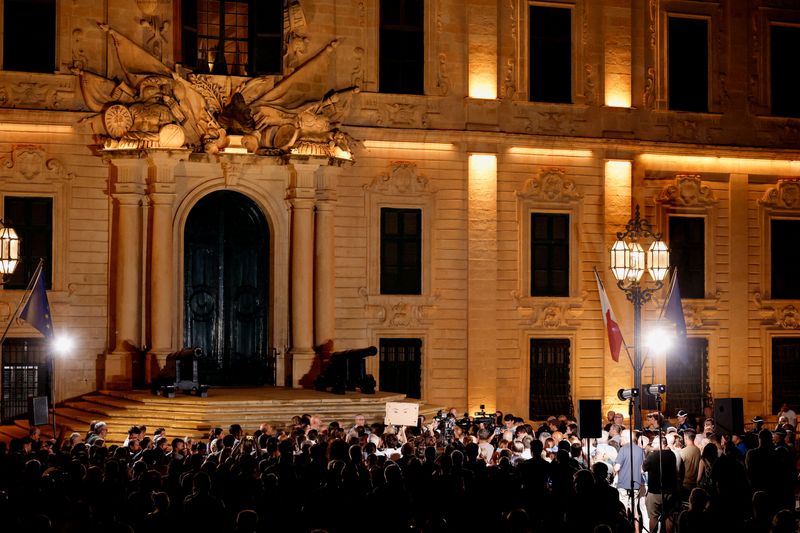
Opposition leader Alex Borg organised a silent demonstration outside Prime Minister Robert Abela’s office, calling for a parliamentary recall. The Nationalist Party’s statement respected the verdict but stressed the need for “accountability over who ordered her assassination.”
Legal context and next steps
Judge Edwina Grima ordered that the trial record be forwarded to the Police Commissioner to assess whether other individuals should face criminal proceedings. While the acquittal ends the direct prosecution of Fenech, Maltese law allows a higher court to review the verdict on narrow points of law, though such appeals are uncommon.
International observers note that five men have already been convicted for carrying out the bomb attack — brothers George and Alfred Degiorgio, Vince Muscat, and later suppliers Jamie Vella and Robert Agius. A self‑confessed middleman, taxi driver Melvin Theuma, received a presidential pardon in 2019 for testifying.
Legal analysts caution that the acquittal does not erase the extensive forensic evidence, wiretaps and financial records presented at trial. What remains uncertain is whether prosecutors will pursue fresh investigations into alleged intermediaries such as Keith Schembri, whose name appeared repeatedly in the defence narrative.
What to watch next
- Potential appeal on points of law filed by the prosecution before the end of 2026.
- European Parliament’s scheduled oversight hearing on Malta’s rule‑of‑law reforms, expected in early 2027.
- Follow‑up statements from the independent inquiry panel, which may release supplemental recommendations after the verdict.
- Continued pressure from press‑freedom NGOs for Malta to adopt stronger journalist‑protection legislation.
The acquittal closes a chapter, but the broader story of Malta’s struggle with corruption and press freedom continues. As families of the victims watch the legal system’s next moves, the island nation faces mounting calls — both domestic and from Brussels, to prove that the “culture of impunity” cited in the 2021 inquiry can finally be dismantled.
How significant is this development?
Contribute your assessment to the aggregated reader sentiment ledger.
Frequently Asked Questions
Key questions answered in this reportWhat is the key development in: Maltese Businessman Acquitted of Hiring Bomb Gang That Killed Investigative Journalist?
Maltese Businessman Acquitted of Hiring Bomb Gang That Killed Investigative Journalist
Why is this World development significant for the UK?
This report covers critical events in our World beat. Independent reporting monitors related UK statements, regulatory shifts, and public responses as further verified details emerge.
How was this reporting corroborated and verified?
Newsarchy UK compiles and cross-references reporting from primary reporting from cbsnews.com and cross-checked wire reports. All coverage adheres to published editorial standards.
When was this report published?
This briefing was published on September 3, 2026 and is permanently cataloged in the Newsarchy UK World archives.