North Korea deploys missile unit to Russia for Ukraine war
North Korea has moved a missile unit equipped with short-range ballistic missiles into Russia's Voronezh region, according to Ukrainian military intelligence.
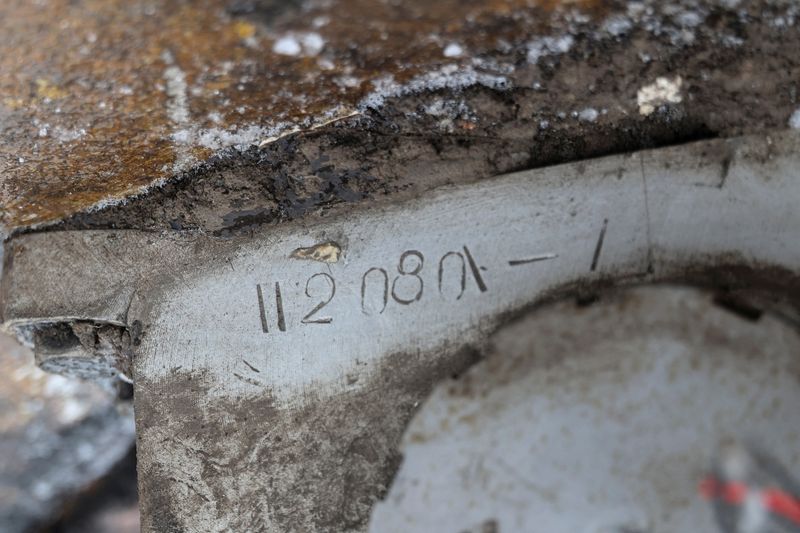
- Core Development: North Korea has moved a missile unit equipped with short-range ballistic missiles into Russia's Voronezh region, according to Ukrainian military intelligence.
- Beat Context: Categorized under World with independent corroboration.
- Reporting Depth: 4 minute analytical read synthesized from verified newsroom sources.
North Korea has moved a missile unit into Russia’s Voronezh region, a step Ukrainian military intelligence says marks the most extensive involvement of Pyongyang in a foreign war since the 1950s. The unit, described as comprising roughly 90 North Korean personnel, is reported to be equipped with six launchers and up to 120 short‑range ballistic missiles, ready to be used against Ukrainian targets.
The deployment follows a broader pattern of troop and materiel transfers that began in early 2023. Ukrainian, U.S. And South Korean assessments initially placed the total number of North Korean soldiers in Russia at between 10,000 and 12,000 by late 2024. By January 2025 the U.S. Deputy ambassador to the United Nations indicated that more than 12,000 were present, while later South Korean estimates put the figure in the Kursk region at about 14,000 to 15,000. The same Ukrainian official said that, as of this month, approximately 9,500 North Korean troops remained in Kursk, though they were not directly engaged in combat operations against Ukraine.
Media additions

Russia and North Korea publicly confirmed in April 2025 that North Korean forces had taken part in combat during the recapture of Kursk. Moscow’s top military commander praised their contribution, and Pyongyang framed the deployment as a directive from leader Kim Jong Un. In June 2025, Russian Security Council Secretary Sergei Shoigu announced that North Korea would send 1,000 sappers and 5,000 construction workers to Kursk to clear mines and rebuild damaged infrastructure.
Beyond personnel, the material support flowing from Pyongyang to Moscow is extensive. Ukrainian officials claim that North Korea supplied roughly four million artillery shells from mid‑2023 onward, not counting mortar rounds. The same officials said Pyongyang had delivered 148 KN‑23 and KN‑24 ballistic missiles by the start of 2025, a stock that could feed the new Voronezh launchers. A Reuters‑backed analysis by the Open Source Centre traced 64 voyages by four Russian‑flagged cargo ships to the North Korean port of Rajin between September 2023 and March 2025, moving nearly 16,000 containers of ammunition to Russian ports.
The partnership rests on a formal strategic treaty signed in June 2024 during President Vladimir Putin’s visit to Pyongyang. The agreement contains a mutual‑assistance clause that obliges each side to help the other if faced with external aggression. Kim Jong Un reiterated in May 2025 that participation in the war was an exercise of North Korea’s sovereign right to defend a “brother nation.” Analysts cited in the Aol explainer argue that the arrangement yields hard currency, oil and technical assistance for Pyongyang, while also exposing its troops to modern battlefield elements such as drones, electronic warfare and coordinated artillery strikes.
The United States and its allies have repeatedly said that the deployments and arms transfers breach multiple U.N. Security Council resolutions that bar the export of North Korean military trainers, advisers and equipment. Washington responded in December 2024 with fresh sanctions targeting North Korean and Russian entities linked to the arms flow. South Korea followed with an expanded blacklist that includes individuals and firms facilitating the cooperation.
NATO has warned that the deepening nexus between Russia, North Korea, China and Iran threatens security not only in Europe but also across the Indo‑Pacific and North America. The alliance’s statements echo concerns expressed by U.S. And South Korean officials about the broader geopolitical ramifications of the partnership.
In parallel with the missile unit’s arrival, North Korea continued its own weapons testing program. On Thursday, the Canberra Times reported that the Korean People’s Army fired a short‑range ballistic missile from the Wonsan area toward the sea, a launch detected by South Korea’s Joint Chiefs of Staff around 5 p.m. The same outlet noted that earlier in July, Kim oversaw tests of a nuclear‑capable cruise missile and other weapons aboard a new 5,000‑tonne destroyer, and that the leader is advancing plans for a nuclear‑powered submarine and underwater‑launch ICBMs, as outlined at the Workers Party congress in February.
South Korean lawmakers, citing a briefing by the National Intelligence Service, said that North Korea appears to be recruiting additional personnel for deployment to Russia, even as it continues to ship artillery ammunition and missiles in exchange for economic cooperation and technical assistance. The exact scale of engineering, de‑mining and additional troop contingents remains unclear, and Ukrainian officials stress that the numbers they
How significant is this development?
Contribute your assessment to the aggregated reader sentiment ledger.
Frequently Asked Questions
Key questions answered in this reportWhat is the key development in: North Korea deploys missile unit to Russia for Ukraine war?
North Korea has moved a missile unit equipped with short-range ballistic missiles into Russia's Voronezh region, according to Ukrainian military intelligence.
Why is this World development significant for the UK?
This report covers critical events in our World beat. Independent reporting monitors related UK statements, regulatory shifts, and public responses as further verified details emerge.
How was this reporting corroborated and verified?
Newsarchy UK compiles and cross-references reporting from primary reporting from aol.com and cross-checked wire reports. All coverage adheres to published editorial standards.
When was this report published?
This briefing was published on August 6, 2026 and is permanently cataloged in the Newsarchy UK World archives.