Pakistan avalanche search finds four bodies as six climbers remain missing
Search and rescue operations are underway in northern Pakistan after an avalanche struck an international mountaineering expedition on Broad Peak.
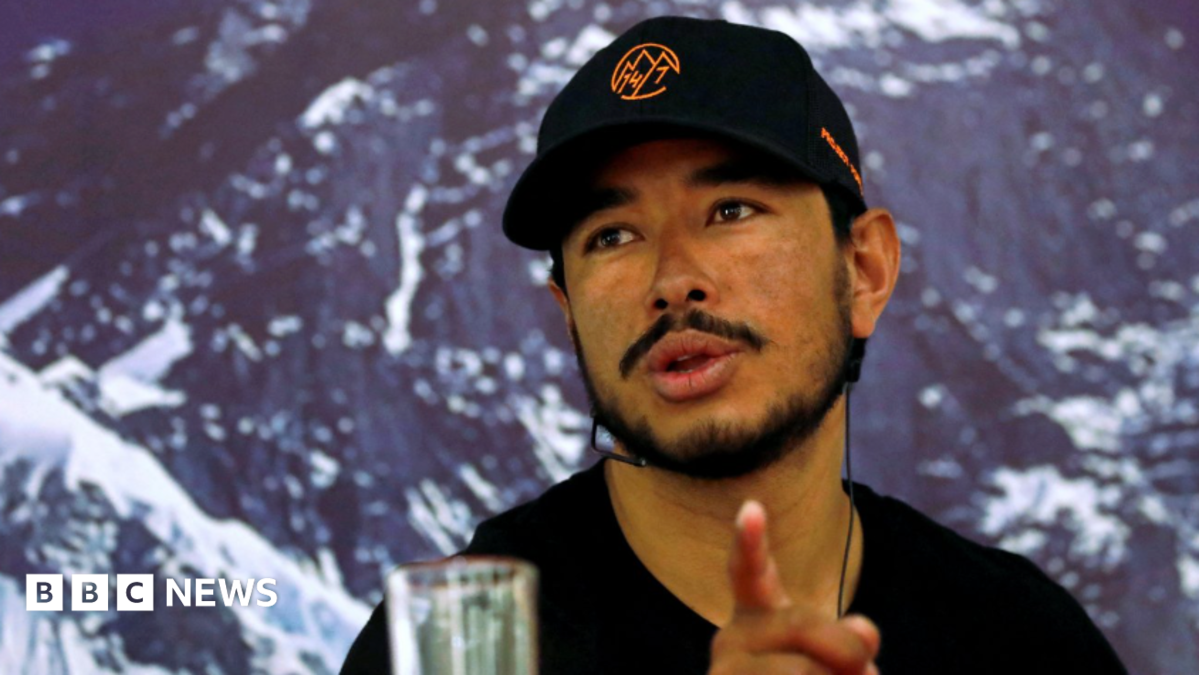
- Core Development: Search and rescue operations are underway in northern Pakistan after an avalanche struck an international mountaineering expedition on Broad Peak.
- Beat Context: Categorized under World with independent corroboration.
- Reporting Depth: 3 minute analytical read synthesized from verified newsroom sources.
Rescuers searching for an international climbing team caught in an avalanche in northern Pakistan have located four bodies, leaving six mountaineers still unaccounted for as adverse weather hampers ongoing operations, according to Wcjb and Tribune reporting. The disaster struck an expedition on Broad Peak, one of the tallest mountains in the world, leaving families, officials, and the global mountaineering community awaiting updates from the high-altitude zone.
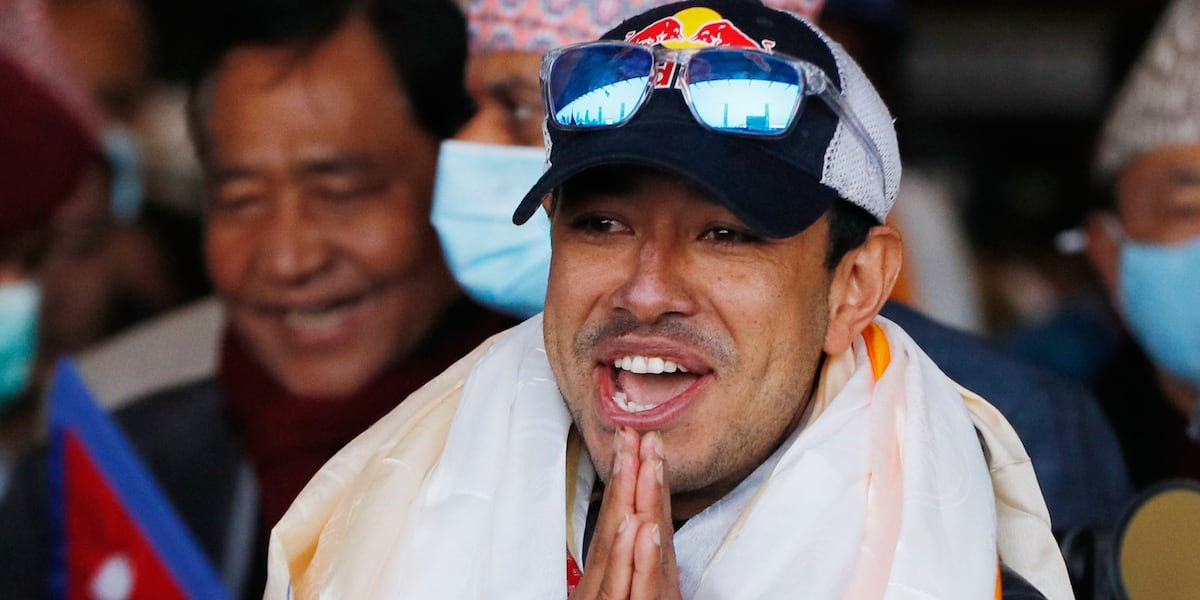
The expedition lost contact with its base camp around midday after the avalanche hit the climbers as they attempted to scale the summit, according to accounts from the Alpine Club of Pakistan (ACP). The group was led by prominent Nepalese mountaineer Nirmal Purja, a former British army soldier widely known as Nims Dai, who climbed the world’s 14 highest peaks in a record 189 days in 2019—an achievement captured in the Netflix documentary 14 Peaks: Nothing is Impossible.
Media additions
Senior government officials speaking on the condition of anonymity noted that efforts to retrieve the bodies found on Friday faced severe obstacles due to harsh meteorological conditions. Gilgit-Baltistan Chief Minister Amjad Hussain issued directives ordering all relevant departments and district administrations to remain on high alert, mobilising full coordination with the Pakistan Army to support air and ground rescue teams.
According to updates from the ACP, the ten-member international roster included:
- Six Nepalese mountaineers: Nirmal Purja, Pur Bahadur Gurung, Kili Pemba Sherpa, Nima Sherpa, Nawang Thindu Sherpa, and Gyalu Sherpa.
- Sohail Sakhi, a Pakistani guide, geographer, and high-altitude photographer from Hunza.
- Nadhira Ahmed Abdullah Al Harthy from Oman.
- Wang Zhong from China.
- Mallory Geis, an American climber from San Antonio.
Details about individual team members highlight the profound personal stakes involved in the tragedy. Moving Mountains, a Pakistan-based travel company, previously noted that the expedition marked Geis's first attempt at an 8,000-meter peak in Pakistan, while it was expected to be the final such climb for Sakhi. Geis had documented her transition online earlier in the year, closing her Pilates studio to pursue alpine expeditions.
As ground teams and Pakistan Army Aviation helicopters dispatched specialised equipment to the site, ACP General Secretary Ayaz Ahmed Shigri reported that four of the climbers' locations were registering on GPS trackers, while ACP President Irfan Arshad Khan confirmed that the four recovered bodies had not yet been formally identified.
The tragedy underscores the perilous nature of the Karakoram range, which hosts five of the world's fourteen peaks exceeding 8,000 meters. While Broad Peak is often considered less technically demanding than neighboring K2, it remains notorious for sudden and severe weather shifts. Historical records compiled by the BBC show the mountain has claimed numerous lives since its first successful Austrian ascent, with previous disasters including fatal descents and sudden storms. Climbing experts cited by Yahoo News note that mountaineering accidents across Pakistani peaks are becoming more frequent amid changing climatic conditions.
Timeline of Events
- Thursday: The ten-member expedition led by Nirmal Purja is struck by an avalanche on Broad Peak around midday, losing communication with its base camp.
- Friday: Rescuers locate four bodies on the mountain, while army helicopters and ground teams push forward with search operations for the remaining six missing climbers despite severe weather. Officials and regional leaders maintain high-alert status.
How significant is this development?
Contribute your assessment to the aggregated reader sentiment ledger.
Frequently Asked Questions
Key questions answered in this reportWhat is the key development in: Pakistan avalanche search finds four bodies as six climbers remain missing?
Search and rescue operations are underway in northern Pakistan after an avalanche struck an international mountaineering expedition on Broad Peak.
Why is this World development significant for the UK?
This report covers critical events in our World beat. Independent reporting monitors related UK statements, regulatory shifts, and public responses as further verified details emerge.
How was this reporting corroborated and verified?
Newsarchy UK compiles and cross-references reporting from primary reporting from wcjb.com and cross-checked wire reports. All coverage adheres to published editorial standards.
When was this report published?
This briefing was published on July 31, 2026 and is permanently cataloged in the Newsarchy UK World archives.