A Russian Drone Delayed Ukrainian President Zelenskyy’s Plane In Moldova As War Escalates
A Russian drone incursion forced the temporary closure of Moldovan airspace, delaying Ukrainian President Volodymyr Zelenskyy's flight to Norway.
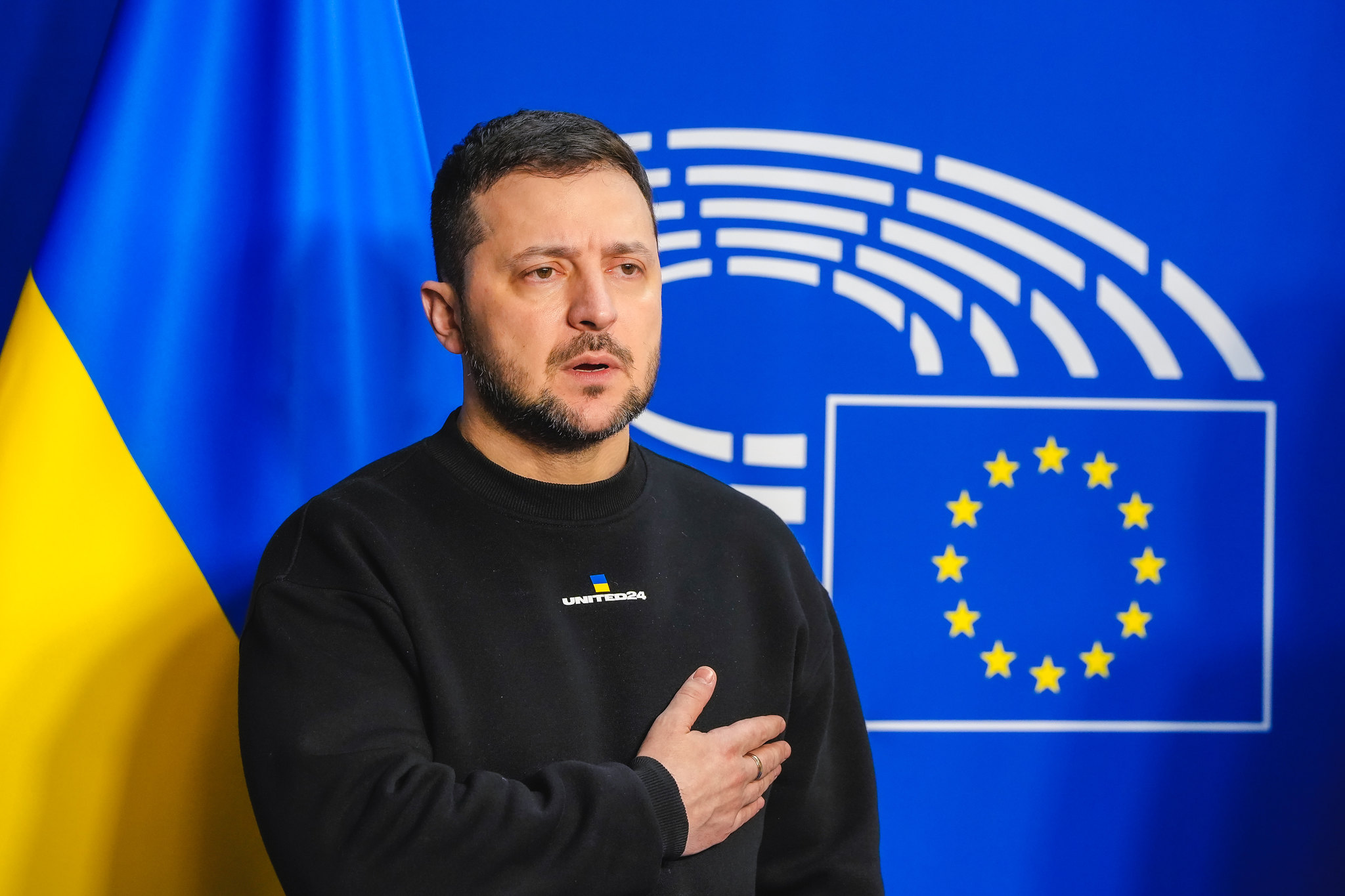
- Core Development: A Russian drone incursion forced the temporary closure of Moldovan airspace, delaying Ukrainian President Volodymyr Zelenskyy's flight to Norway.
- Beat Context: Categorized under World with independent corroboration.
- Reporting Depth: 4 minute analytical read synthesized from verified newsroom sources.
A Russian drone incursion temporarily disrupted the travel plans of Ukrainian President Volodymyr Zelenskyy, forcing the closure of Moldovan airspace and delaying his departure from Chișinău International Airport for a foreign state funeral. The incident underscores the expanding physical risks of the ongoing regional conflict, drawing sharp reactions from European leaders and raising questions about border security in adjacent nations, as reported in Ibtimes.
The disruption unfolded as Zelenskyy prepared to fly to Norway to attend the state funeral of King Harald V, with travel logistics complicated by the sudden appearance of uncrewed aerial systems in regional skies. According to Ibtimes, Norwegian Prime Minister Jonas Gahr Støre told public broadcaster NRK that the Ukrainian leader's aircraft was almost struck by a drone during takeoff preparations. Støre remarked on the inherent dangers faced by the Ukrainian head of state, noting that the event reflected the volatile conditions surrounding his diplomatic engagements.
Media additions
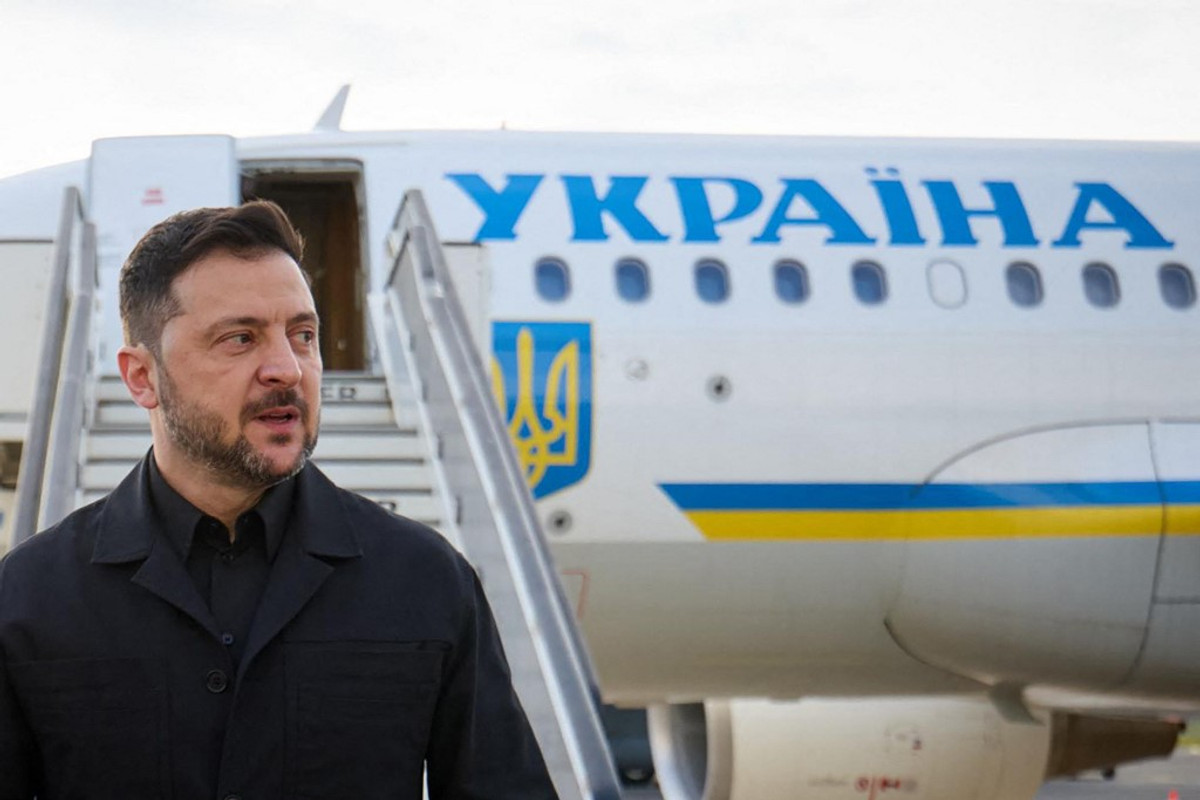


Details surrounding the exact proximity of the drone to the presidential aircraft remain a point of differing official accounts. While the Norwegian prime minister's office noted that the airspace threat directly impacted the flight's schedule and uncertainty regarding how close the devices came to the plane, a source within the Ukrainian presidency told AFP that suggestions of immediate danger were exaggerated, characterizing the event as a standard airspace alert triggered when a Russian drone crossed into Moldovan and Romanian territory.
Moldovan government spokespersons confirmed that the airspace closure affected multiple commercial movements, delaying several departures and arrivals at the main gateway before normal operations resumed. State officials explained that the temporary shutdown was enacted to protect all aircraft in the vicinity after radar systems detected the incoming projectile. Once authorities verified that the drone had come down and exploded in a rural area, travel restrictions were lifted, allowing the presidential flight to depart behind schedule.
The trajectory of the aerial threat stretched across international borders, drawing in neighboring defense forces. According to reporting from Scripps News, the drone crossed from Moldovan airspace into Romania, prompting the scrambling of Spanish Air and Space Forces F-18 fighter jets operating under NATO coordination to track its path before it looped back into Moldova and ultimately crashed in the Rîșcani district.
Moldovan police and explosives experts subsequently recovered fragments from the crash site, identifying propulsion systems and physical characteristics matching Geran-type loitering munitions commonly employed by Russian forces in the war against Ukraine. Investigators inspected a sizable crater formed by the impact in a sunflower field, where the explosion sparked multiple localized fires that were quickly contained without causing casualties.
Regional leaders seized upon the incident to warn of the mounting hazards posed by the protracted conflict. Moldovan President Maia Sandu denounced the recurring incursions as a serious threat to civilian safety, while other officials highlighted a sharp increase in uncrewed systems violating the country's sovereign borders compared to previous years. Conversely, the Kremlin dismissed suggestions that the presidential aircraft had faced any intentional threat, labeling the Ukrainian assertions as a provocation.
| Official / Authority | Statement / Assessment | Associated Source |
|---|---|---|
| Norwegian PM Jonas Gahr Støre | Stated that Zelenskyy's plane was almost hit by a drone during takeoff preparations in Moldova. | Nypost |
| Ukrainian Presidential Source | Described claims that the president was in immediate danger as exaggerated, attributing the delay to a routine regional airspace alert. | Kyivpost |
| Moldovan Police & Authorities | Confirmed the drone crashed 160 kilometers from the airport, leaving fragments matching Geran-type munitions. | Indiatvnews |
| Kremlin Spokesperson Dmitry Peskov | Rejected claims of a targeted threat against the aircraft, dismissing the allegations as a provocation. | Ibtimes |
Despite the delay, Zelenskyy completed his journey to Oslo, where he engaged in high-level talks concerning air defense cooperation and regional security initiatives alongside European counterparts. Discussions touched upon collaborative defense manufacturing and European missile development programs, reinforcing Kyiv's push for integrated sky protection as cross-border incidents multiply.
Following his engagements in Scandinavia, the Ukrainian leader continued an extensive travel schedule that included subsequent diplomatic stops in Iceland and Canada, underscoring an active foreign policy strategy designed to secure ongoing military and financial assistance. Meanwhile, diplomatic channels involving international intermediaries continue to explore potential paths toward peace talks, even as long-range strikes and airspace violations persist across Eastern Europe.
What to Watch Next
Local authorities in Moldova are continuing technical analyses to determine the exact payload and precise origin of the recovered drone fragments.
Regional air traffic management agencies are reviewing protocols for rapid airspace closures around major transit hubs near active conflict zones.
Upcoming diplomatic discussions involving international partners are expected to address heightened security measures for VIP transit corridors across Eastern and Northern Europe.
How significant is this development?
Contribute your assessment to the aggregated reader sentiment ledger.
Frequently Asked Questions
Key questions answered in this reportWhat is the key development in: A Russian Drone Delayed Ukrainian President Zelenskyy’s Plane In Moldova As War Escalates?
A Russian drone incursion forced the temporary closure of Moldovan airspace, delaying Ukrainian President Volodymyr Zelenskyy's flight to Norway.
Why is this World development significant for the UK?
This report covers critical events in our World beat. Independent reporting monitors related UK statements, regulatory shifts, and public responses as further verified details emerge.
How was this reporting corroborated and verified?
Newsarchy UK compiles and cross-references reporting from primary reporting from thetraveler.org and cross-checked wire reports. All coverage adheres to published editorial standards.
When was this report published?
This briefing was published on September 10, 2026 and is permanently cataloged in the Newsarchy UK World archives.