Probiotics may help protect against early signs of Alzheimer’s
Clinical trials show that daily multistrain probiotic supplementation is associated with reduced blood-based Alzheimer's biomarkers and improved cognitive scores in older adults.

- Core Development: Clinical trials show that daily multistrain probiotic supplementation is associated with reduced blood-based Alzheimer's biomarkers and improved cognitive scores in older adults.
- Beat Context: Categorized under Transport with independent corroboration.
- Reporting Depth: 4 minute analytical read synthesized from verified newsroom sources.
A growing body of scientific research points to a potential link between gut health and the early stages of cognitive decline, prompting investigators to explore whether specialized probiotic formulations could alter the progression of neurodegenerative conditions. Traditional therapies for neurological disorders have historically focused exclusively on central nervous system pathways, but recent clinical trials and laboratory studies are shifting attention toward the gut-brain axis, a bidirectional communication network connecting the digestive tract to the brain.
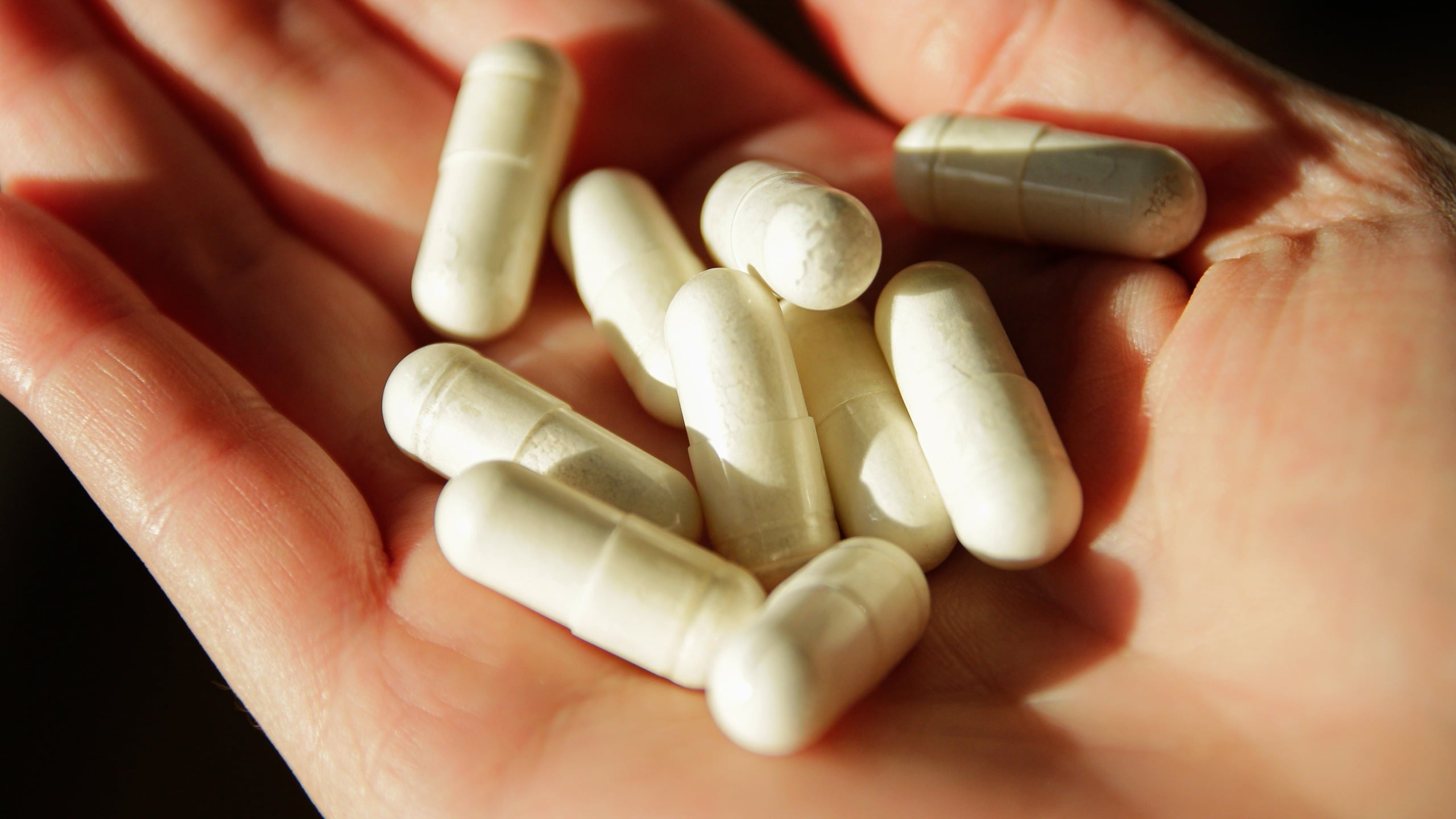
According to findings published in the Journal of Alzheimer's Disease, older adults with early cognitive impairment who consumed a daily probiotic supplement experienced improvements in specific cognitive evaluations alongside reductions in a key blood-based biomarker linked to the condition (ScienceAlert). The trial involved participants in South Korea drawn from a larger longitudinal investigation known as the Gwangju Alzheimer’s Disease and Related Dementias cohort. Individuals received either a placebo or a multistrain probiotic supplement coded as KL-P301, which comprised three bacterial strains: subspecies of Bifidobacterium animalis
, Limosilactobacillus fermentum
, and Levilactobacillus brevis
.
Media additions

| Study Model | Intervention | Duration | Key Observations |
|---|---|---|---|
| Human Clinical Trial (GARD Cohort) | KL-P301 Multistrain Probiotic | 24 Weeks | Reduced plasma pTau181 levels, improved visuospatial and visual memory scores, and decreased IL-1β inflammatory markers. |
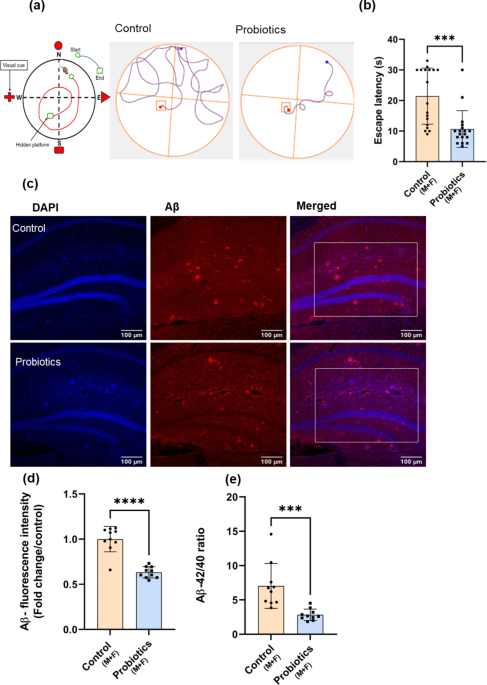
| Humanized Mouse Model (APP/PS1) | Human-Origin Probiotic Cocktail | 16 Weeks | Decreased amyloid-beta aggregation, reduced microglia activation, and preserved blood-brain barrier tight junctions. |
By the conclusion of the trial period, participants in the probiotic group showed a significant decrease in plasma levels of pTau181, a phosphorylated form of tau protein that often rises in the blood prior to the onset of clinical dementia symptoms (ScienceAlert). In addition to biomarker changes, the supplement group demonstrated better performance on tasks evaluating visual memory, spatial organization, and the interpretation of complex shapes. Investigators noted that while these outcomes are encouraging, the results remain preliminary and do not confirm that probiotics can directly clear existing tau tangles within the brain tissue.
Parallel investigations are examining the cellular mechanisms that might explain these clinical observations. Researchers at the University of Miami Miller School of Medicine utilized three-dimensional laboratory models of intestinal tissue, known as organoids, to study how the digestive tract behaves in preclinical conditions (University of Miami). Their analysis revealed that intestinal tissue derived from disease models developed barrier damage, abnormal accumulation of amyloid-beta and phosphorylated tau proteins, and heightened inflammasome activity even when isolated entirely from the brain and circulating immune cells. These structural abnormalities and spaces between neighboring cells appeared prior to the typical emergence of cognitive symptoms, suggesting that systemic manifestations can occur early in the disease process.
Further mechanistic insight comes from USF Health, where scientists have been evaluating proprietary probiotic cocktails in animal models (USF Health). Research published in Nature Scientific Reports demonstrated that feeding mice a human-origin probiotic mixture resulted in faster performance during water maze tests, reduced plaque-forming proteins, and lowered brain inflammation (Nature). According to study authors, compromised intestinal integrity—often referred to as leaky gut
—can allow inflammatory signals and microorganisms to enter the bloodstream, which subsequently weakens the blood-brain barrier and triggers neuroinflammation.
Additional research from WashU Medicine evaluated stool samples from cognitively normal participants and found that individuals in the earliest pre-symptomatic stage of the condition harbored distinct intestinal bacterial communities compared to healthy controls (WashU Medicine). These compositional differences correlated closely with amyloid and tau accumulation levels measured via cerebrospinal fluid and brain scans, highlighting the potential for stool-based screening methods that are less invasive than spinal taps or neuroimaging.
What to Watch Next
- Researchers are planning larger and longer clinical trials incorporating tau and amyloid-PET imaging to verify the durability and clinical relevance of probiotic interventions.
- Scientific teams are investigating whether commercializing specific probiotic consortia can lead to standardized dietary supplements or adjuvant therapies.
- Future laboratory studies aim to combine human intestinal organoids with brain organoid models to map out cell-specific signaling along the gut-brain axis more precisely.
As investigators continue to unravel how microbial populations influence systemic immunity and neural tissue preservation, upcoming clinical studies will determine whether targeted nutritional strategies can successfully alter the trajectory of cognitive decline.
How significant is this development?
Contribute your assessment to the aggregated reader sentiment ledger.
Frequently Asked Questions
Key questions answered in this reportWhat is the key development in: Probiotics may help protect against early signs of Alzheimer’s?
Clinical trials show that daily multistrain probiotic supplementation is associated with reduced blood-based Alzheimer's biomarkers and improved cognitive scores in older adults.
Why is this Transport development significant for the UK?
This report covers critical events in our Transport beat. Independent reporting monitors related UK statements, regulatory shifts, and public responses as further verified details emerge.
How was this reporting corroborated and verified?
Newsarchy UK compiles and cross-references reporting from primary reporting from Frontiers and cross-checked wire reports. All coverage adheres to published editorial standards.
When was this report published?
This briefing was published on October 26, 2026 and is permanently cataloged in the Newsarchy UK Transport archives.