South Korea records its highest-ever temperature of 42.5C amid historic heatwave
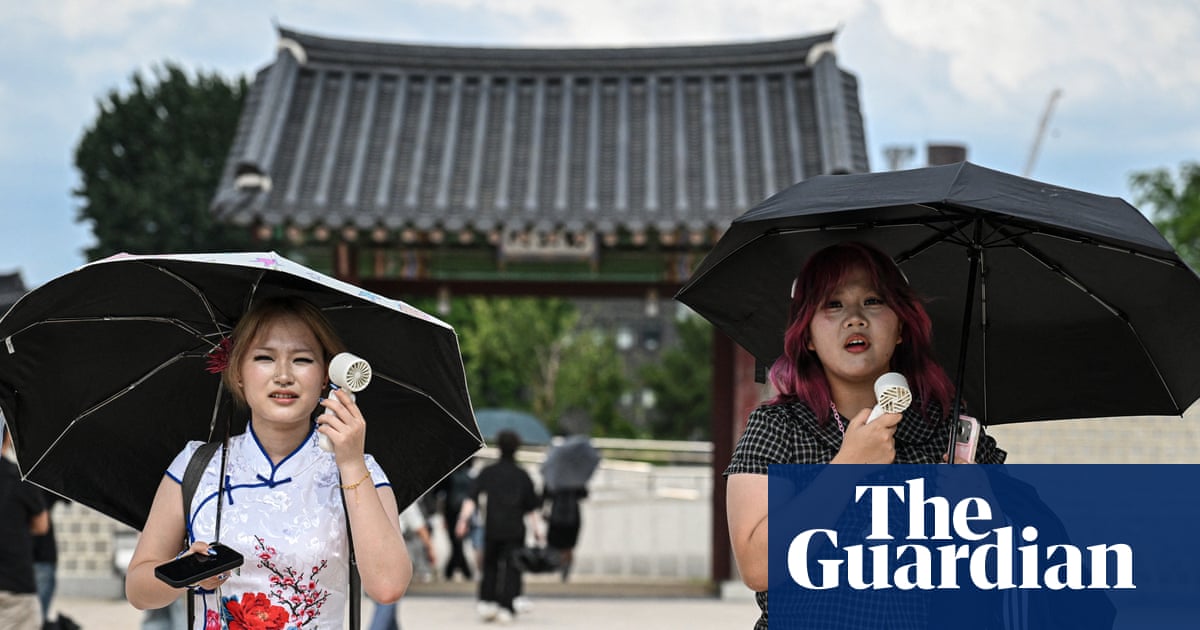
South Korea recorded its highest temperature in modern observation history, reaching 42.5C in Yangsan amid a severe heatwave that forced emergency alerts.
- Core Development: South Korea recorded its highest temperature in modern observation history, reaching 42.5C in Yangsan amid a severe heatwave that forced emergency alerts.
- Beat Context: Categorized under World with independent corroboration.
- Reporting Depth: 3 minute analytical read synthesized from verified newsroom sources.
South Korea registered its highest temperature in more than a century of modern weather observation on Sunday, as an unprecedented heatwave gripped the country and forced emergency interventions across multiple sectors. The extreme conditions arrived alongside severe weather events elsewhere that led to international health alerts and disruptions across global regions.
The Korea Meteorological Administration (KMA) reported that the southeastern city of Yangsan reached 42.5C at 1:26 p.m. Local time, marking the highest national temperature recorded since modern weather observation began in 1904. Yangsan served as the epicenter of the prolonged weather event, exceeding 40C for five consecutive days by Sunday. Other major urban centers, including Daegu and Busan, experienced daytime temperatures climbing into the high 30s.
Media additions

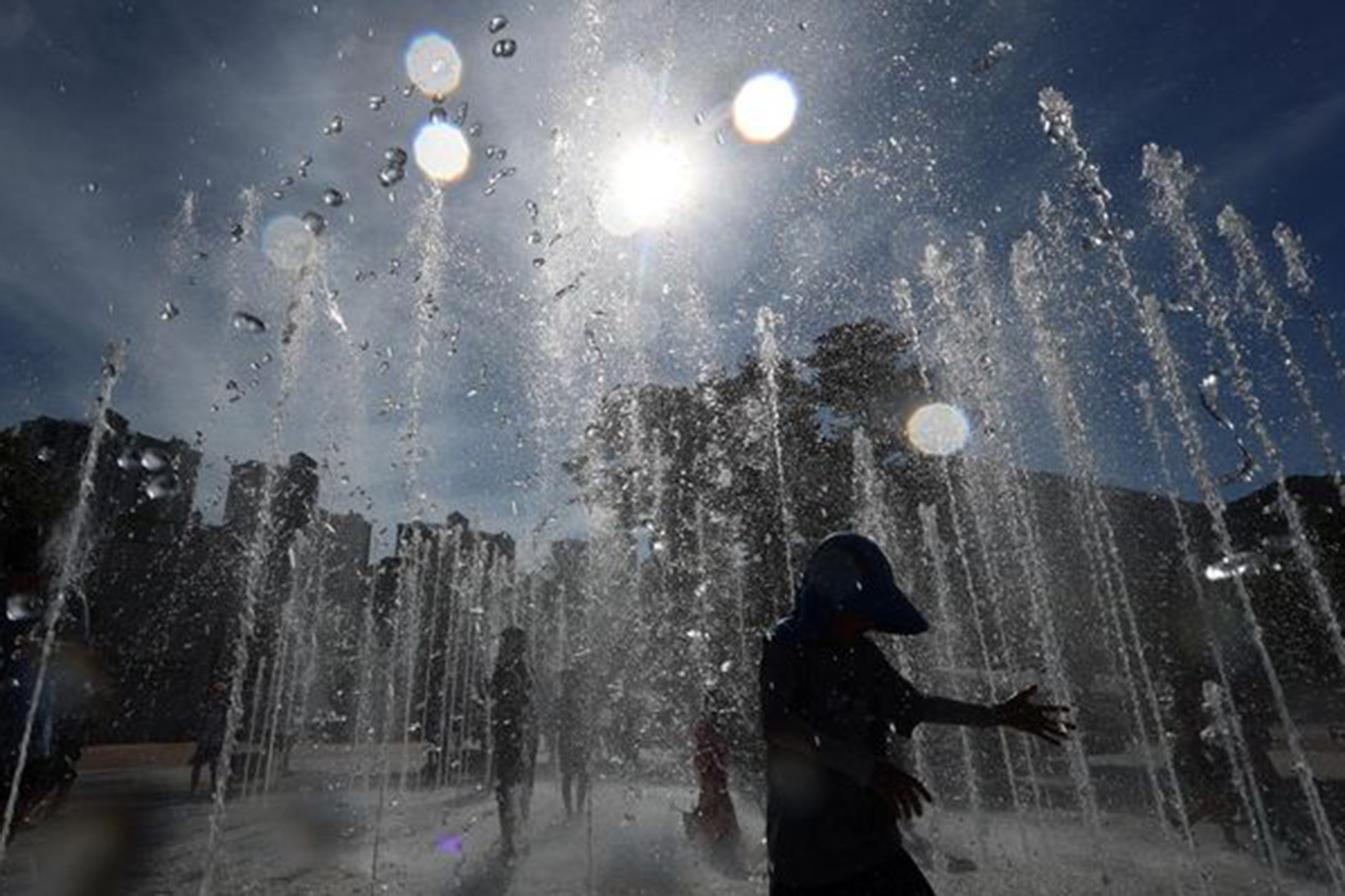
Residents across the country sought refuge in airconditioned shopping malls or cafes to escape the blistering conditions.
Ju said, as he took shelter in a Seoul Starbucks with his parents."It is too hot to be outside doing anything,"
Ju Dong-yeol, 27
"I can’t think of anything else to do other than stay in airconditioned places like home, shopping malls and cafes."
Ju Dong-yeol, Office worker
Authorities responded by placing more than 20 localities under emergency heatwave alerts on Sunday, a new warning category introduced this year to better address rising temperatures. An emergency alert is issued when areas experiencing a heatwave are forecast to hit perceived temperatures of 38C or an actual temperature of 39C for the day. Issuing a heat warning, the weather agency urged people to “immediately stop all outdoor activities”, adding that “indoor spaces without air conditioning are dangerous”.
The extreme heat also disrupted professional sports and daily commerce. South Korea’s professional baseball league was forced to cancel one game in Changwon after the city’s temperature climbed to 39.5C, marking the second consecutive game cancellation in the city.
the league stated. Employers were advised to adjust outdoor work schedules, and schools alongside local governments expanded access to public cooling shelters as electricity demand for air conditioning reached seasonal highs."The decision was made with the safety and health of spectators and players as the top priority, as a severe heatwave warning remains in effect for the Changwon area,"
Korea Baseball Organization
Meteorological data highlighted a long-term escalation in extreme weather. KMA data show the average annual number of heatwave days in the country has more than doubled to 19 in the past five years. A heatwave day is defined as one with a maximum temperature of at least 33C.
Scientists warn that extreme weather events such as heatwaves are becoming more frequent and intense as a result of human-induced climate change. Adding to the extreme weather is the return this year of El Niño – a natural climate phenomenon that warms Pacific Ocean surface temperatures and typically occurs every two to seven years. Across Europe, prolonged heatwaves have pushed temperatures above 40 deg C in parts of the south. The European authorities issued health warnings, battled wildfires and urged people to avoid outdoor activities in the afternoon.
Impact and Response Overview
- Peak Temperature: 42.5C recorded in Yangsan at 1.26pm.
- Warning Systems: More than 20 localities were under emergency heatwave alerts on Sunday – a new warning category introduced this year to better address rising temperatures.
- Public Disruptions: South Korea’s professional baseball league was forced to cancel one game in Changwon after the city’s temperature climbed to 39.5C.
- Climatic Drivers: Human-induced climate change and the return of El Nino.
Health officials have warned that prolonged exposure to the current temperatures significantly increases the risk of heatstroke, dehydration, and other heat-related illnesses, particularly among older adults, children, and people with underlying medical conditions. Climate experts warn that unless global greenhouse gas emissions are significantly reduced, record-breaking heatwaves are expected to become more common, posing growing risks to public health, infrastructure, agriculture, and energy systems worldwide.
How significant is this development?
Contribute your assessment to the aggregated reader sentiment ledger.
Frequently Asked Questions
Key questions answered in this reportWhat is the key development in: South Korea records its highest-ever temperature of 42.5C amid historic heatwave?
South Korea recorded its highest temperature in modern observation history, reaching 42.5C in Yangsan amid a severe heatwave that forced emergency alerts.
Why is this World development significant for the UK?
This report covers critical events in our World beat. Independent reporting monitors related UK statements, regulatory shifts, and public responses as further verified details emerge.
How was this reporting corroborated and verified?
Newsarchy UK compiles and cross-references reporting from primary reporting from ilkha.com and cross-checked wire reports. All coverage adheres to published editorial standards.
When was this report published?
This briefing was published on August 3, 2026 and is permanently cataloged in the Newsarchy UK World archives.