Spain rescues
Spain rescues

- Core Development: Spain rescues
- Beat Context: Categorized under World with independent corroboration.
- Reporting Depth: 4 minute analytical read synthesized from verified newsroom sources.
A makeshift vessel that had drifted for almost a month in the Atlantic finally broke its silence on Thursday when Spain’s Maritime Rescue Service lifted 44 men to safety and recovered five bodies. The rescue, which unfolded 120 km south of Gran Canaria, has reignited debate over the Canary Islands’ role as Europe’s “death trap” for West African migrants and renewed calls for a comprehensive state migration policy.
What the authorities confirmed
According to the Millennium Post, a rescue aircraft spotted a “precarious” boat on Wednesday afternoon. A rescue vessel, later identified as Guardamar Urania, reached the sighting around midnight and brought the 44 men aboard to the port of Arguineguín. Three of those were air‑lifted in critical condition by helicopter; the remaining 41 were handed over to Red Cross workers.
Media additions
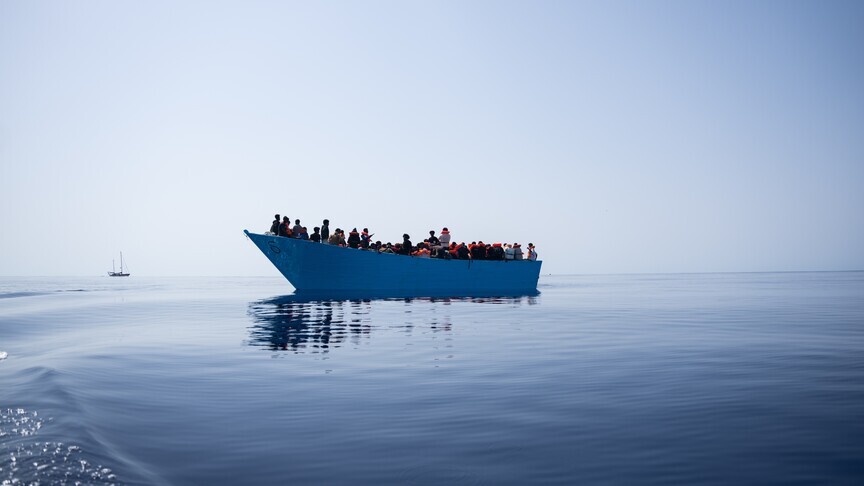

The service also reported that five corpses remained onboard, lost to “adverse weather conditions” that hampered recovery efforts.
“Adverse weather conditions” initially prevented the retrieval of five corpses that remained on board before it was taken to the port of Arguineguín, the service said on social media.
Salvamento Marítimo, via Al Jazeera
Conflicting death tolls
Official counts stop at five fatalities, but NGOs and other outlets paint a far grimmer picture. Helena Maleno, spokesperson for the migrant‑rights group Caminando Fronteras, posted on X that “83 migrants and refugees had died, including three women and a baby,” asserting the vessel left Gambia 27 days earlier. ABC News echoed a similar figure, reporting “80 dead, including a baby.” The AA noted “more than 80 people are feared to have died,” based on an initial manifest of 128 people.
“It’s unbearable that lives continue to be lost,” Fernando Clavijo, president of the Canary Islands, wrote on X.
Fernando Clavijo, Canary Islands President, via ABC News
“Canarias cannot get used to or normalize the fact that the Atlantic continues to be a route of death.”
Fernando Clavijo, via ABC News
Survivors’ accounts
Red Cross spokesperson José Antonio Rodríguez Verona told Chron that all rescued migrants were men from Mali or Senegal, many underage, and that they arrived “disoriented and dehydrated, with many collapsing or vomiting.” Survivors said the boat departed Gambia on 7 August, a date corroborated by Spanish broadcaster RTVE and the Interior Ministry.
They described a harrowing ordeal: after supplies ran out, some drank seawater, and as deaths mounted, bodies were thrown overboard until survivors could no longer lift them. A Red Cross medical team recorded six of the rescued men in hospital, three of them in critical condition.
Broader migration context
The Atlantic route to the Canaries has long been one of Europe’s deadliest migration pathways. News notes that arrivals peaked in 2024 at more than 46 000, yet interior‑minister figures show a 57 percent drop in the first eight months of 2026, reflecting tighter patrols and increased cooperation with transit countries.
Gambia‑based activist Madi Jobarteh, director of the Edward Francis Small Centre for Rights and Justice, argued that “limited opportunities” drive the exodus, highlighting the region’s young, unemployed population. He warned that without economic improvements, “the tendency to migrate is high.”
Timeline of the incident
- 7 August 2026 – Boat departs Gambia with 128 people aboard (RTVE, interior ministry).
- Wednesday 3 September 2026 – Spanish rescue aircraft spots the drifting vessel about 120 km south of Gran Canaria.
- Around 23:00 local – Guardamar Urania arrives; 44 men rescued, five bodies recovered but not retrieved.
- Late night – Helicopter evacuates three critical survivors to a Gran Canaria hospital.
- Early Thursday – Remaining survivors disembark at Arguineguín; Red Cross provides medical care.
What to watch next
- Spain’s Interior Ministry is expected to release a detailed report on the vessel’s manifest and the fate of the missing, potentially updating the death toll.
- The European Union’s migration summit, slated for early October, will likely address the Canary Islands’ call for a unified policy.
- Human‑rights organisations, including Caminando Fronteras, have signalled they will press for an independent inquiry into the circumstances surrounding the loss of life.
- Weather forecasts suggest continued rough seas in the area, which could affect any further search operations for missing bodies.
The episode underscores the fragile balance between humanitarian rescue efforts and the political urgency to stem a route that has claimed hundreds of lives in recent years. As Spain grapples with the latest tragedy, the pressure mounts on European capitals to devise a coordinated response that respects both human dignity and border security.
How significant is this development?
Contribute your assessment to the aggregated reader sentiment ledger.
Frequently Asked Questions
Key questions answered in this reportWhat is the key development in: Spain rescues?
Spain rescues
Why is this World development significant for the UK?
This report covers critical events in our World beat. Independent reporting monitors related UK statements, regulatory shifts, and public responses as further verified details emerge.
How was this reporting corroborated and verified?
Newsarchy UK compiles and cross-references reporting from primary reporting from aljazeera.com and cross-checked wire reports. All coverage adheres to published editorial standards.
When was this report published?
This briefing was published on September 4, 2026 and is permanently cataloged in the Newsarchy UK World archives.