Super Typhoon Champi disrupts Keen Sword drills across southern Japan
Super Typhoon Champi, the year's strongest tropical cyclone, has forced military commanders to scale back and cancel portions of the major Keen Sword defense exercises across southern Japan.

- Core Development: Super Typhoon Champi, the year's strongest tropical cyclone, has forced military commanders to scale back and cancel portions of the major Keen Sword defense exercises across southern Japan.
- Beat Context: Categorized under World with independent corroboration.
- Reporting Depth: 4 minute analytical read synthesized from verified newsroom sources.
Military commanders across southern Japan are scaling back and canceling portions of major bilateral defense exercises as Super Typhoon Champi churns through the western Pacific. The massive tropical cyclone, which strengthened into the planet's most powerful storm of the year, threatens training areas designated for the ongoing Keen Sword maneuvers. The disruption comes as forces from multiple nations attempt to execute complex tactical drills in the region, forcing daily scheduling adjustments to balance troop safety with operational readiness.
According to Stars and Stripes, Keen Sword began Monday and runs through Oct. 29. The bilateral exercise involves approximately 56,000 U.S. And Japanese personnel alongside forces from seven partner nations. Planned evolutions include operations tied to the USS Theodore Roosevelt carrier strike group, as well as Marine Corps air-defense and antiship missile systems.
Media additions
Exercise spokesman Maj. Ephesian Poinsette stated that activities are being adjusted daily. Training on Tanegashima, an island south of Kyushu, is continuing on a reduced scale following modified weather assessments. Meanwhile, a Japan Joint Staff spokesman reported that the typhoon caused no major impact on the overarching schedule aside from localized cancellations, including an unspecified training activity on Okinawa and port visit cancellations for Maritime Self-Defense Force vessels such as the destroyer JS Setogiri and landing craft utility vessel JS Nihonbare.
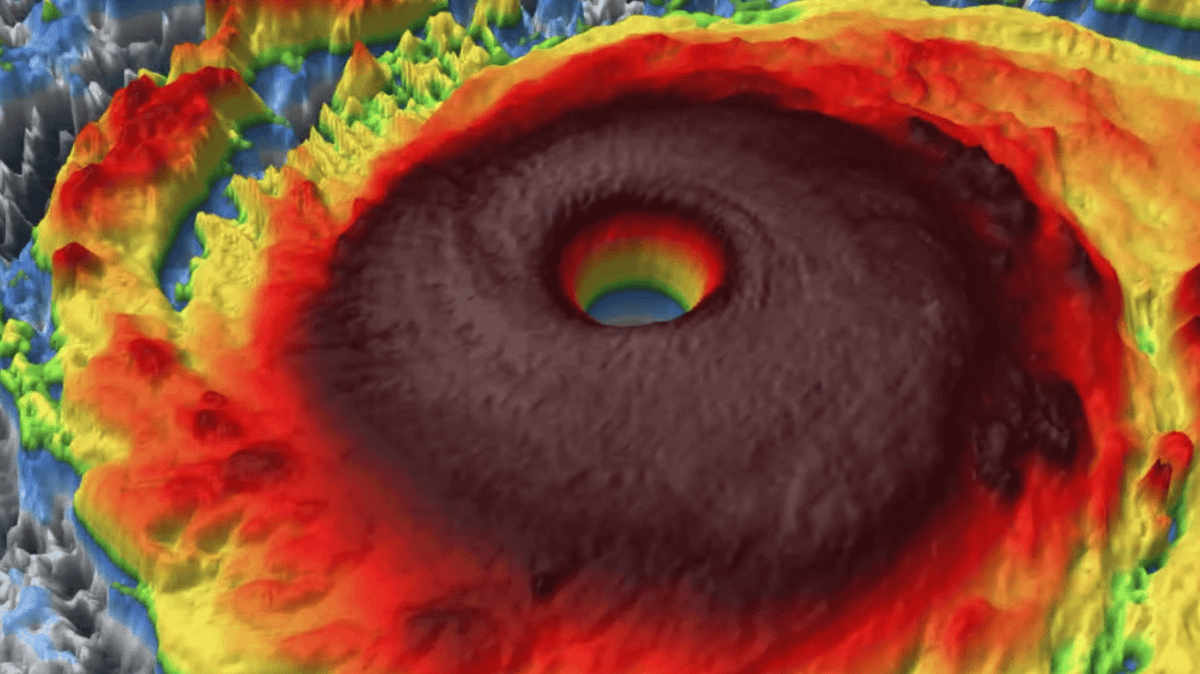
At noon Wednesday, the typhoon was about 600 miles southeast of Kadena Air Base, moving west-northwest with maximum sustained winds of about 178 mph and gusts reaching 218 mph, according to the Joint Typhoon Warning Center. Meteorological agencies note that Champi achieved historic intensity before reaching Japanese waters. Unilad reported that the cyclone reached peak sustained winds of 296 km/h (184 mph), equivalent to a Category 5 storm, surpassing Hurricane Polo for the year's top wind speed title. However, forecasters observed a technical distinction: Polo's minimum central pressure bottomed out lower than Champi's, leaving meteorologists divided on which system holds absolute supremacy depending on whether wind speed or barometric pressure is measured.
| Storm Name | Peak Wind Speed | Minimum Central Pressure | Global Ranking Context |
|---|---|---|---|
| Super Typhoon Champi | 296 km/h (184 mph) / 178 mph | 895 mb | Strongest tropical cyclone of 2026 by wind speed (Category 5-equivalent) |
| Hurricane Polo | 285 km/h (177 mph) | 892 mb | Previous 2026 wind speed leader; lower pressure reading |
Before threatening Japanese defense drills, the cyclone carved a destructive path near U.S. Territory. According to ABC News & Headlines – Australian Broadcasting Corporation, the storm's eye passed 16 kilometres from Guam's southernmost tip on Sunday, reaching Category 4 intensity with sustained winds of 241 kilometres per hour.
"Someone put it this way, you're standing on the side of a highway and an 18-wheeler truck comes blasting past you. You were that close between a disaster and no impacts."
Landon Aydlett, Warning Coordination Meteorologist at the National Weather Service in Guam, via Australian Broadcasting Corporation
The near-miss spared Guam a catastrophic direct strike, though the outer eyewall triggered widespread power outages, water disruptions, and temporary closures. Recovery efforts progressed swiftly, with local reporting indicating electricity restoration had reached 99% of the island's power grid by Wednesday, leaving fewer than 1% of residents without power.
Environmental factors fueled the storm's rapid ascent. Sea surface temperatures across the western Pacific hovered around 30°C (86°F) alongside deep moisture and low wind shear. Beyond regional impacts in Asia, the cyclone's immense energy is interacting with the jet stream, introducing changeable weather patterns and warmer-than-normal temperatures downstream into Canadian provinces such as Ontario and Quebec. Forecasters expect the storm to track west toward Taipei before turning northwest later in the week into a more unfavorable environment, weakening it to a Category 4 or 3 by Thursday and Friday.
Commanders and regional authorities continue to monitor the storm as it tracks west. Further schedule modifications for the Keen Sword exercise depend entirely on Champi's trajectory through the remainder of the week, with additional cancellations remaining possible if the system directly impacts training areas.
How significant is this development?
Contribute your assessment to the aggregated reader sentiment ledger.
Frequently Asked Questions
Key questions answered in this reportWhat is the key development in: Super Typhoon Champi disrupts Keen Sword drills across southern Japan?
Super Typhoon Champi, the year's strongest tropical cyclone, has forced military commanders to scale back and cancel portions of the major Keen Sword defense exercises across southern Japan.
Why is this World development significant for the UK?
This report covers critical events in our World beat. Independent reporting monitors related UK statements, regulatory shifts, and public responses as further verified details emerge.
How was this reporting corroborated and verified?
Newsarchy UK compiles and cross-references reporting from primary reporting from stripes.com and cross-checked wire reports. All coverage adheres to published editorial standards.
When was this report published?
This briefing was published on October 21, 2026 and is permanently cataloged in the Newsarchy UK World archives.