Swiss voters reject tighter neutrality rules in referendum
Swiss voters have overwhelmingly rejected a ballot proposal to impose stricter constitutional neutrality limits, preserving the government's authority to enact sanctions and cooperate with NATO.

- Core Development: Swiss voters have overwhelmingly rejected a ballot proposal to impose stricter constitutional neutrality limits, preserving the government's authority to enact sanctions and cooperate with NATO.
- Beat Context: Categorized under World with independent corroboration.
- Reporting Depth: 3 minute analytical read synthesized from verified newsroom sources.
Swiss voters have decisively rejected a ballot proposal to impose stricter constitutional limits on the country’s traditional neutrality, preserving the government's authority to impose economic sanctions and cooperate with NATO. Final results published by the Federal Statistical Office showed that 70.15% of voters and all 26 cantons opposed the initiative during Sunday’s nationwide vote on 27 September 2026, according to reporting by Al Jazeera.
The rejected initiative, titled "Safeguard Swiss neutrality", was organized by the sovereignty-focused group Pro Schweiz and strongly backed by the Swiss People's Party (SVP), the country's largest political party. Supporters argued that Switzerland had drifted too close to Western alliances and compromised its historical stance by adopting European Union sanctions against Moscow following the escalation of the conflict in Ukraine. The campaign featured prominent posters bearing the slogan "No war, yes to neutrality" alongside white peace doves, reflecting an argument that current policy had eroded the Alpine nation's credibility as an international mediator.
Media additions
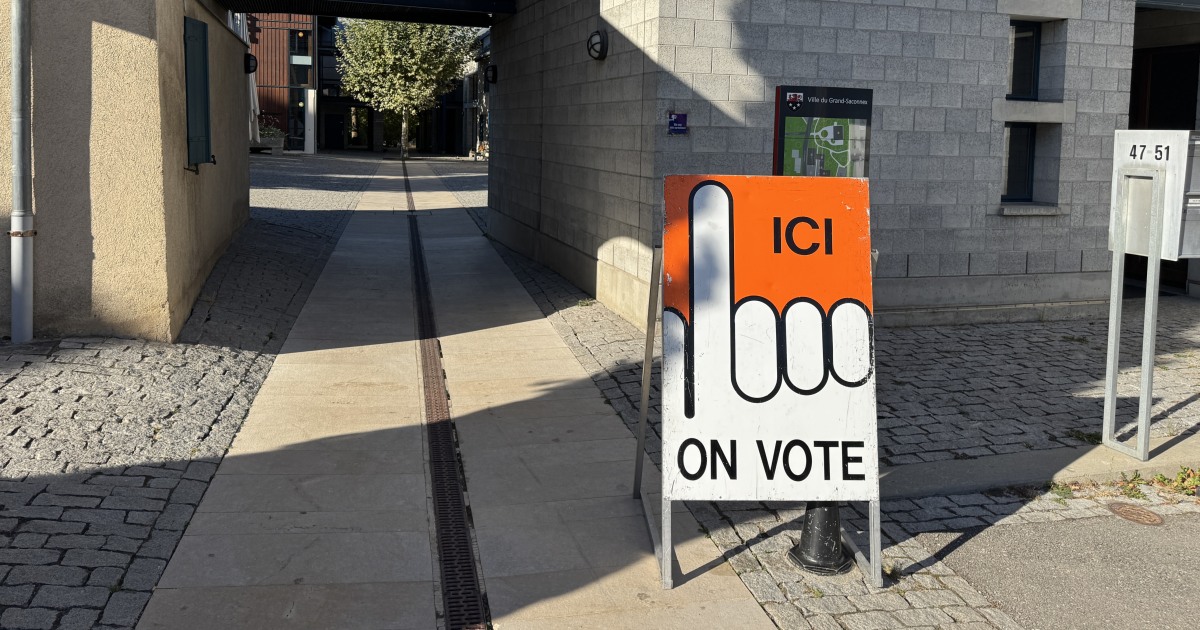
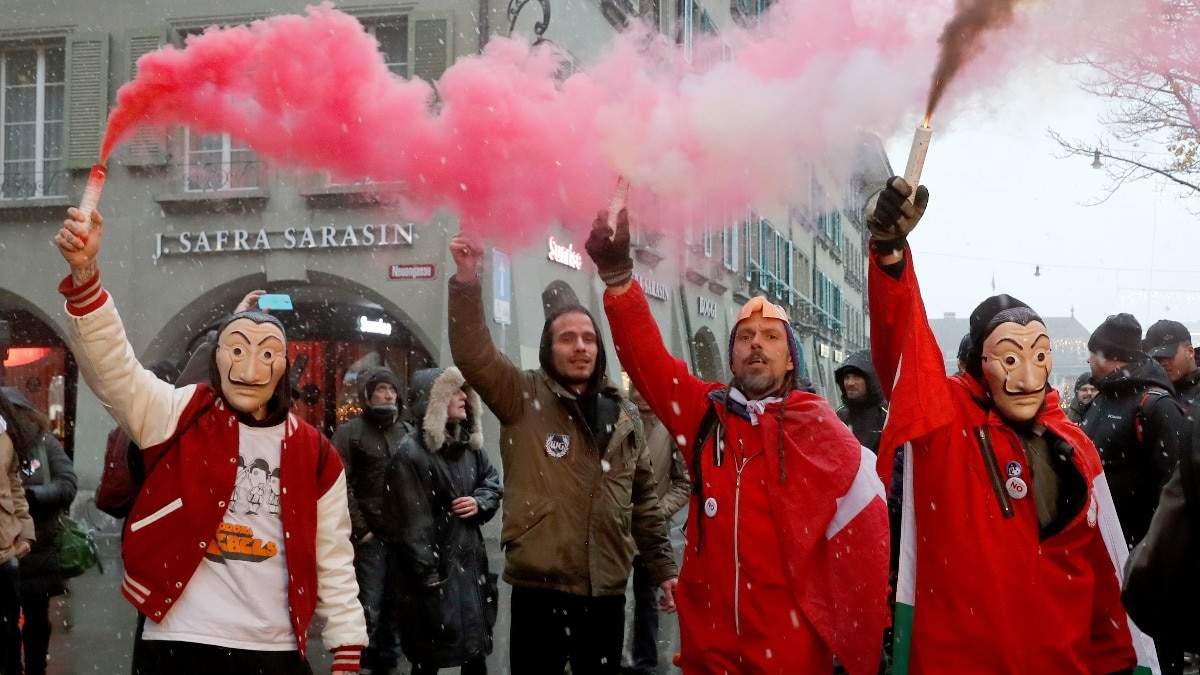
The outcome protects existing federal flexibility. Switzerland has maintained internationally recognized neutrality since 1815, with the principle written into the federal constitution since 1848. While the constitution establishes the overarching doctrine, it does not explicitly dictate the precise mechanisms of its implementation. This leaves the cabinet and parliament room to navigate modern security dynamics. Foreign Minister Ignazio Cassis emphasized to journalists in Bern that the decision affirmed public satisfaction with current governance rather than an abandonment of core national values, stating that Switzerland remains committed to its historical stance.
| Ballot Initiative | Support (%) | Opposition (%) | Outcome |
|---|---|---|---|
| Safeguard Swiss Neutrality Proposal | 29.85% | 70.15% | Rejected across all 26 cantons |
| Sustainable Domestic Food Production Initiative | 27.48% | 72.52% | Rejected |
According to DW, the ballot also included a separate proposal addressing domestic food security, which met a similar defeat. That measure called for increased domestic production of sustainable food and greater protection of clean drinking water, but was turned down by 72.52% of voters against 27.48% in favor, as reported by The Express Tribune.
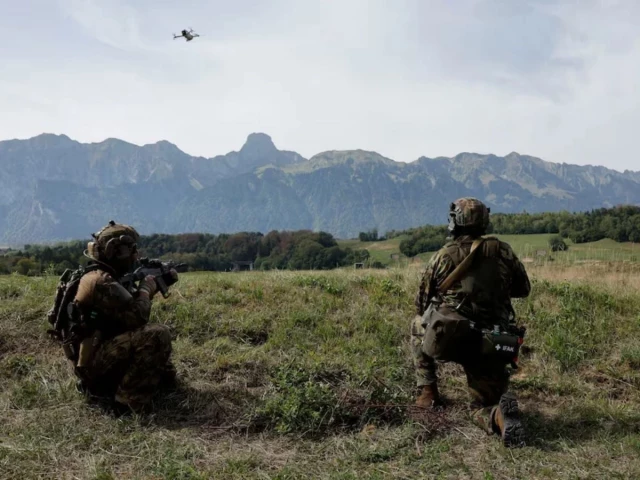
International reactions reflected the high stakes surrounding European security alignments. Moscow had previously criticized Bern for adopting sanctions, while critics dubbed the SVP-backed initiative "pro-Russian" due to its restrictions on punitive measures. Because Russia holds a permanent seat and veto power on the United Nations Security Council, restricting sanctions exclusively to UN-approved measures would have effectively neutralized Switzerland's capacity to penalize aggressive state actors. NBC News noted that passage of the text would have abruptly halted three decades of peacetime military cooperation and joint training exercises with NATO.
Political opposition to the neutrality initiative spanned nearly the entire political spectrum, uniting the federal government, parliament, the Green Party, the Social Democrats, the Centre Party, and the FDP. Lawmakers argued that locking the country into rigid definitions would isolate it diplomatically and compromise its national security. Following the announcement of the final results, representatives for the SVP accepted the defeat, with party figures indicating no immediate plans for further legislative action while maintaining that they will continue monitoring government foreign policy decisions closely.
How significant is this development?
Contribute your assessment to the aggregated reader sentiment ledger.
Frequently Asked Questions
Key questions answered in this reportWhat is the key development in: Swiss voters reject tighter neutrality rules in referendum?
Swiss voters have overwhelmingly rejected a ballot proposal to impose stricter constitutional neutrality limits, preserving the government's authority to enact sanctions and cooperate with NATO.
Why is this World development significant for the UK?
This report covers critical events in our World beat. Independent reporting monitors related UK statements, regulatory shifts, and public responses as further verified details emerge.
How was this reporting corroborated and verified?
Newsarchy UK compiles and cross-references reporting from primary reporting from NBC News and cross-checked wire reports. All coverage adheres to published editorial standards.
When was this report published?
This briefing was published on September 28, 2026 and is permanently cataloged in the Newsarchy UK World archives.