Two Christian schools reopen in Syria after nearly 60 years
Two historic Christian schools in the Idlib villages of Quniyah and Al-Yacoubiyah have reopened after nearly 60 years, marking a step toward recovery for returning communities.
- Core Development: Two historic Christian schools in the Idlib villages of Quniyah and Al-Yacoubiyah have reopened after nearly 60 years, marking a step toward recovery for returning communities.
- Beat Context: Categorized under World with independent corroboration.
- Reporting Depth: 3 minute analytical read synthesized from verified newsroom sources.
Two Christian schools in the Idlib countryside have welcomed students back to their classrooms following extensive rehabilitation, ending a decades-long hiatus. The reopening of the educational facilities in the Christian-majority villages of Quniyah and Al-Yacoubiyah on Sunday, 20 September 2026, marks a tangible step toward recovery for communities returning from displacement in Syria, according to reports from Syria's state news agency SANA and Streamlinefeed.
The restored institutions—historically managed by Franciscan friars—had faced decades of closure and later sustained structural damage during the civil conflict, during which some buildings served as temporary shelters. According to official accounts reported by Streamlinefeed, the schools originally shut their doors roughly sixty years ago under Baath Party rule. Emergency and Disaster Management Minister Raed al-Saleh attended the opening ceremony alongside Social Affairs Minister Hind Kabawat, Idlib Governor Mohammad Abdul Rahman, Vatican Ambassador Luigi Roberto Cona, and Custos of the Holy Land Francis Yelbo, as reported by state news agency SANA. Middle East Monitor noted that Mr. Al-Saleh located the school in the Jisr al-Shughur area.
Media additions

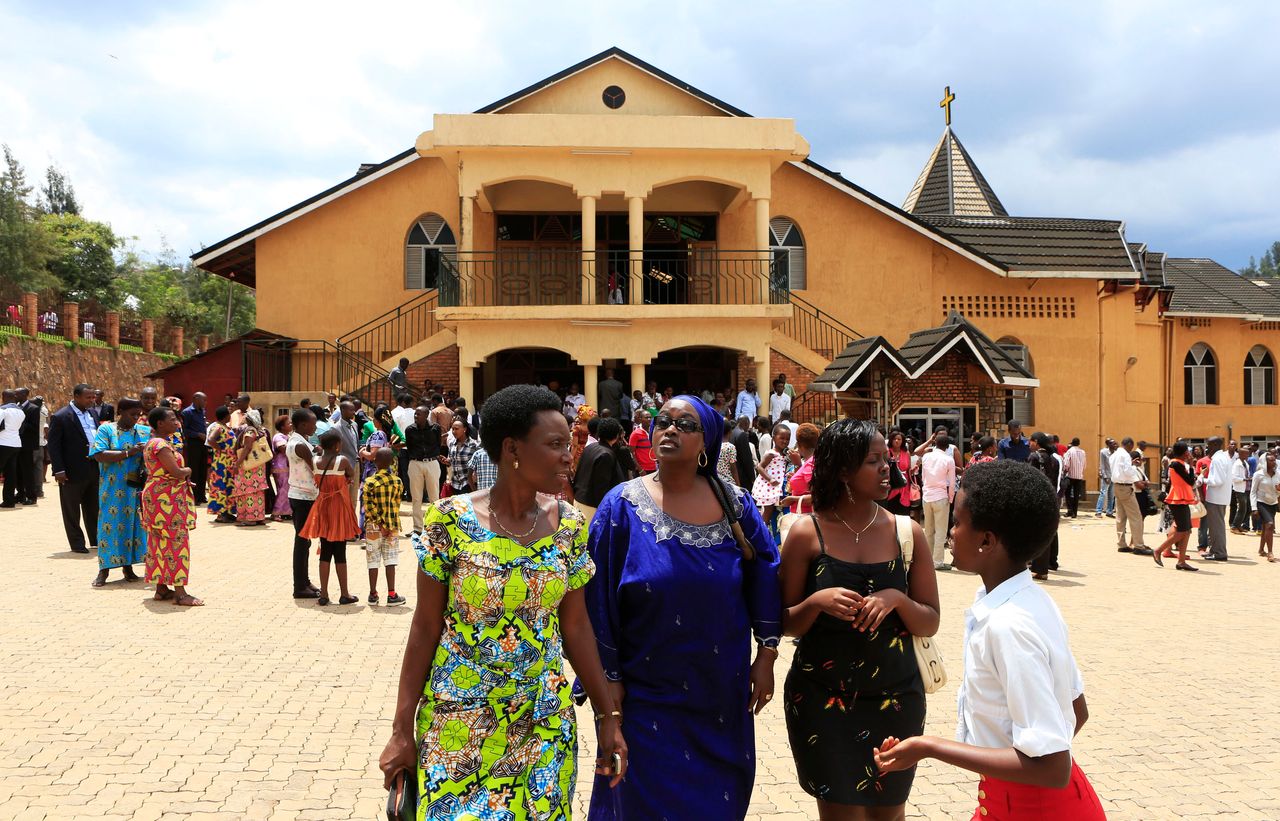

Officials at the inauguration emphasized the significance of restoring educational access to areas affected by years of fighting. Mr. Al-Saleh welcomed returning students by describing the restored facilities as part of a collective effort to rebuild the nation for all its residents, using words reported by Streamlinefeed:
Local teachers, including educator Mariet Karbit from Quniyah, noted that classes had previously been held in improvised spaces such as residential corridors due to the destruction of the school infrastructure."the Syria we dreamed of ... a Syria for all its people."
Raed al-Saleh, Emergency and Disaster Management Minister, via Streamlinefeed
The revival of these schools forms part of a wider regional rehabilitation effort. Government teams have reportedly cleared millions of square metres of rubble across the province to facilitate the return of displaced residents, with SANA noting that teams removed more than three million square metres of rubble in Idlib. Local authorities estimate that approximately ninety percent of the population has returned to villages including Quniyah, Al-Yacoubiyah, Al-Jadida, and Al-Ghassaniyah, though independent verification of these figures remains limited.
The broader educational landscape across Syria continues to face severe structural deficits. According to national education authorities addressing the People's Assembly, student dropouts nationwide have reached an estimated two million children due to economic hardship and infrastructure destruction, even as total enrollment approaches six million. In response, local directorates have begun conducting knowledge assessments to reintegrate out-of-school children into appropriate grade levels.
At the same time, the broader security and operational environment for Christian institutions across the country remains complex. Persecution monitor Christianity Today highlights that while some evangelical and traditional church leaders report improved freedoms in certain urban centers following regime changes, Christian communities in other regions face ongoing pressures, administrative hurdles regarding curricula, and security vulnerabilities. In northeast Syria, separate disputes over regional educational curricula have led to friction between local administrations and church-run institutions, with ACI MENA reporting that the Autonomous Administration of North and East Syria ordered the closure of 22 church-run schools in cities such as Qamishli, Hasakah, and Malikiya for refusing to adopt its new curriculum.
The reopening of the Idlib schools demonstrates a localized counter-trend toward physical and social restoration in areas experiencing demographic return. As reconstruction efforts continue, the ability of these institutions to sustain operations will depend heavily on local security, economic stability, and ongoing cooperation between community leadership and regional authorities.
How significant is this development?
Contribute your assessment to the aggregated reader sentiment ledger.
Frequently Asked Questions
Key questions answered in this reportWhat is the key development in: Two Christian schools reopen in Syria after nearly 60 years?
Two historic Christian schools in the Idlib villages of Quniyah and Al-Yacoubiyah have reopened after nearly 60 years, marking a step toward recovery for returning communities.
Why is this World development significant for the UK?
This report covers critical events in our World beat. Independent reporting monitors related UK statements, regulatory shifts, and public responses as further verified details emerge.
How was this reporting corroborated and verified?
Newsarchy UK compiles and cross-references reporting from primary reporting from Christianity Today and cross-checked wire reports. All coverage adheres to published editorial standards.
When was this report published?
This briefing was published on September 23, 2026 and is permanently cataloged in the Newsarchy UK World archives.