Thailand cuts visa-free stays to thirty days and tightens entry rules
Thailand has overhauled its entry requirements, cutting visa-free stays and restricting Visa on Arrival access under new immigration measures.
Thailand has overhauled its entry requirements, officially cutting visa-free stays and restricting Visa on Arrival access under immigration measures that took effect on September 15, 2026. The changes end the 60-day visa exemption introduced for dozens of countries and territories, replacing it with a narrower system covering fewer nationalities and shorter permitted durations. Citizens of countries including the United States, United Kingdom, Australia, and Canada remain eligible for visa-free entry, but their permitted stay has been reduced from 60 days to 30 days, as reported by Africa Business Insider.
The new framework, published in the Royal Gazette following cabinet approvals and initial announcements reported by outlets such as The Guardian and ABC News, is designed to address growing concerns over the misuse of extended tourist stays. Thai authorities pointed to incidents involving foreign nationals engaging in illegal employment, operating nominee businesses, and participating in transnational criminal activities. Prime Minister Anutin Charnvirakul stated that the visa settings needed revision to be more suitable for current economic and national security situations, according to Yahoo News Australia.
Media additions
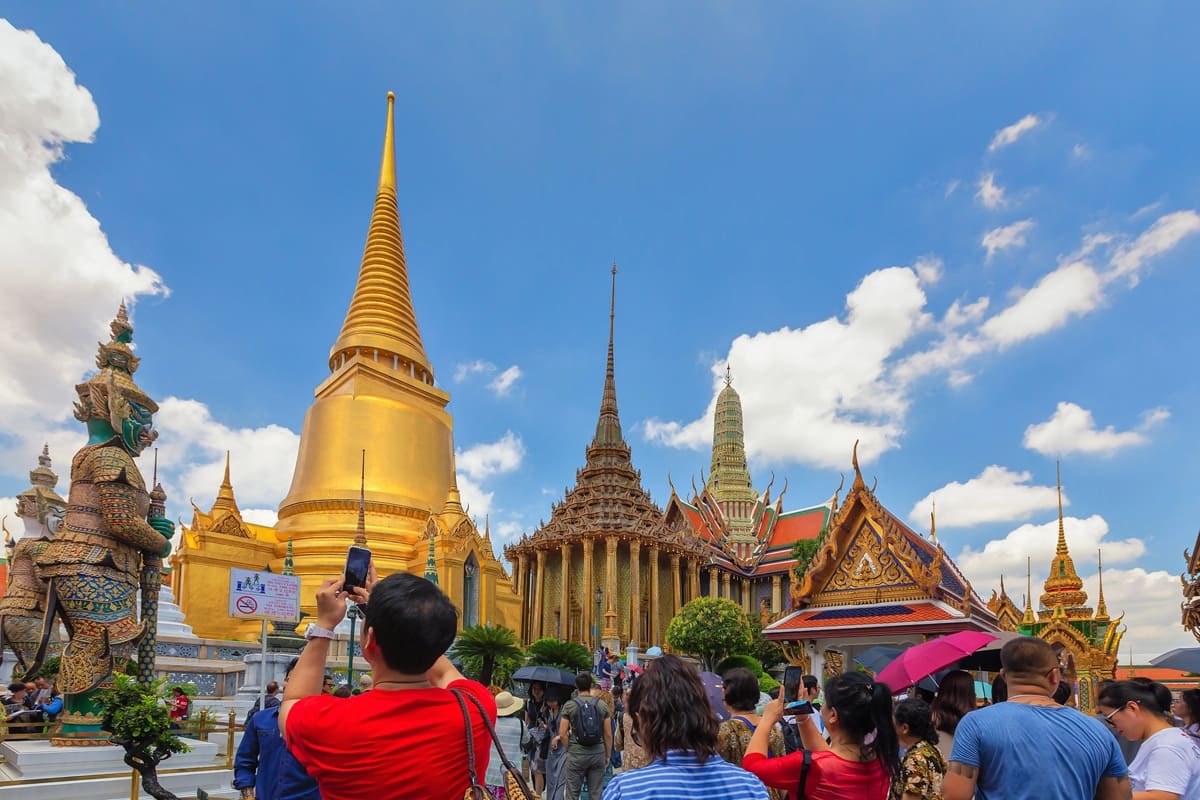


Foreign Minister Sihasak Phuangketkeow emphasized that the nation was not targeting specific nationalities, but rather individuals abusing tourist exemptions to commit crimes or operate unlawfully, as detailed by SBS. Official concerns were further compounded by high-profile law enforcement actions, including the raid of an unlicensed international school in Bangkok where foreign nationals were arrested for working without permits.
Under the revised rules, a total of 60 countries and territories qualify for the new 30-day tourist visa exemption, as outlined by VisasNews. Furthermore, land-border crossings for those utilizing the 30-day exemption are now restricted to a maximum of two entries per calendar year, though citizens of Brunei, Indonesia, Malaysia, and Singapore are exempt from this specific limit.
| Nationality Group / Entry Route | Previous Rules | New Rules (Effective Sept 15, 2026) |
|---|---|---|
| US, UK, Australia, Canada | 60-day visa-free stay | 30-day visa-free stay (extendable once) |
| Mauritius and Seychelles | Varies (Mauritius was 60 days) | 15-day visa-free stay |
| Visa on Arrival (VoA) | 31 countries and territories | 4 countries (Azerbaijan, Belarus, India, Serbia) |
| Morocco and 20 others | 60-day visa-free stay | Visa required prior to departure |
The restructuring also impacts the Visa on Arrival programme, which has been severely curtailed from 31 eligible countries down to just four: Azerbaijan, Belarus, India, and Serbia. India transitioned into the more favorable 30-day visa exemption scheme alongside traditional Western markets. Meanwhile, 21 nationalities that previously enjoyed visa-free entry, including Morocco, must now obtain a visa prior to travel. Bilateral agreements remain untouched by the general reform, allowing citizens of nations like China, Russia, and South Korea to continue traveling under separate pre-existing reciprocal frameworks.
As visitors adapt to the stricter border measures—which also require completing the digital arrival card before entry—tourists planning extended stays are advised to verify requirements closely. For further international context on regional security and diplomatic developments, readers can review World coverage on Newsarchy UK.