Israeli spy chief in D.C. as Netanyahu presses Trump to resume war
Mossad Director Roman Gofman arrived in Washington for high-level talks as Prime Minister Benjamin Netanyahu lobbies the White House to resume military strikes.
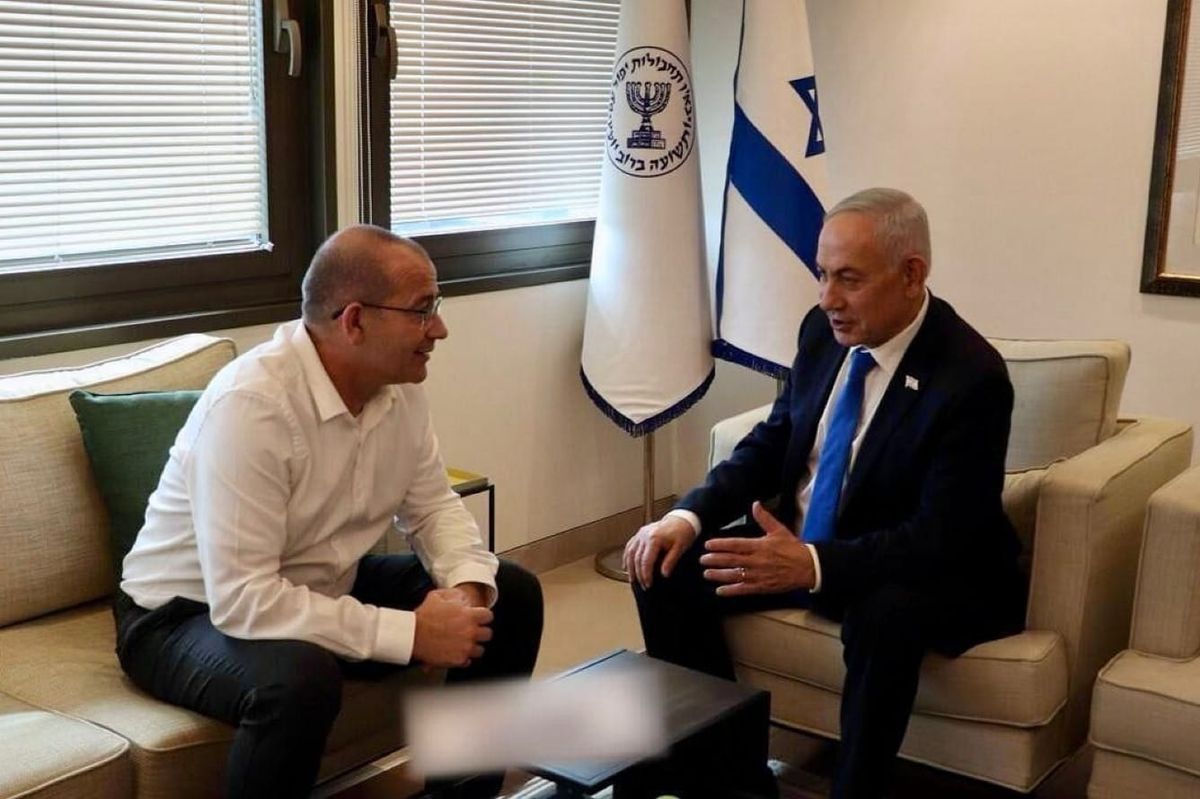
Mossad Director Roman Gofman arrived in Washington on Friday for high-level talks with senior American officials, according to reporting by Axios, as Israeli Prime Minister Benjamin Netanyahu lobbies the White House to restart military operations against Iran.
The diplomatic push highlights a divergence in regional strategy between Washington and Jerusalem. Mossad, the CIA, and the White House all declined to comment on the specifics of the itinerary, though sources familiar with the matter confirmed that Gofman scheduled meetings with CIA Director John Ratcliffe in the nation's capital, alongside an expected trip to Miami to confer with White House envoy Steve Witkoff.
Media additions
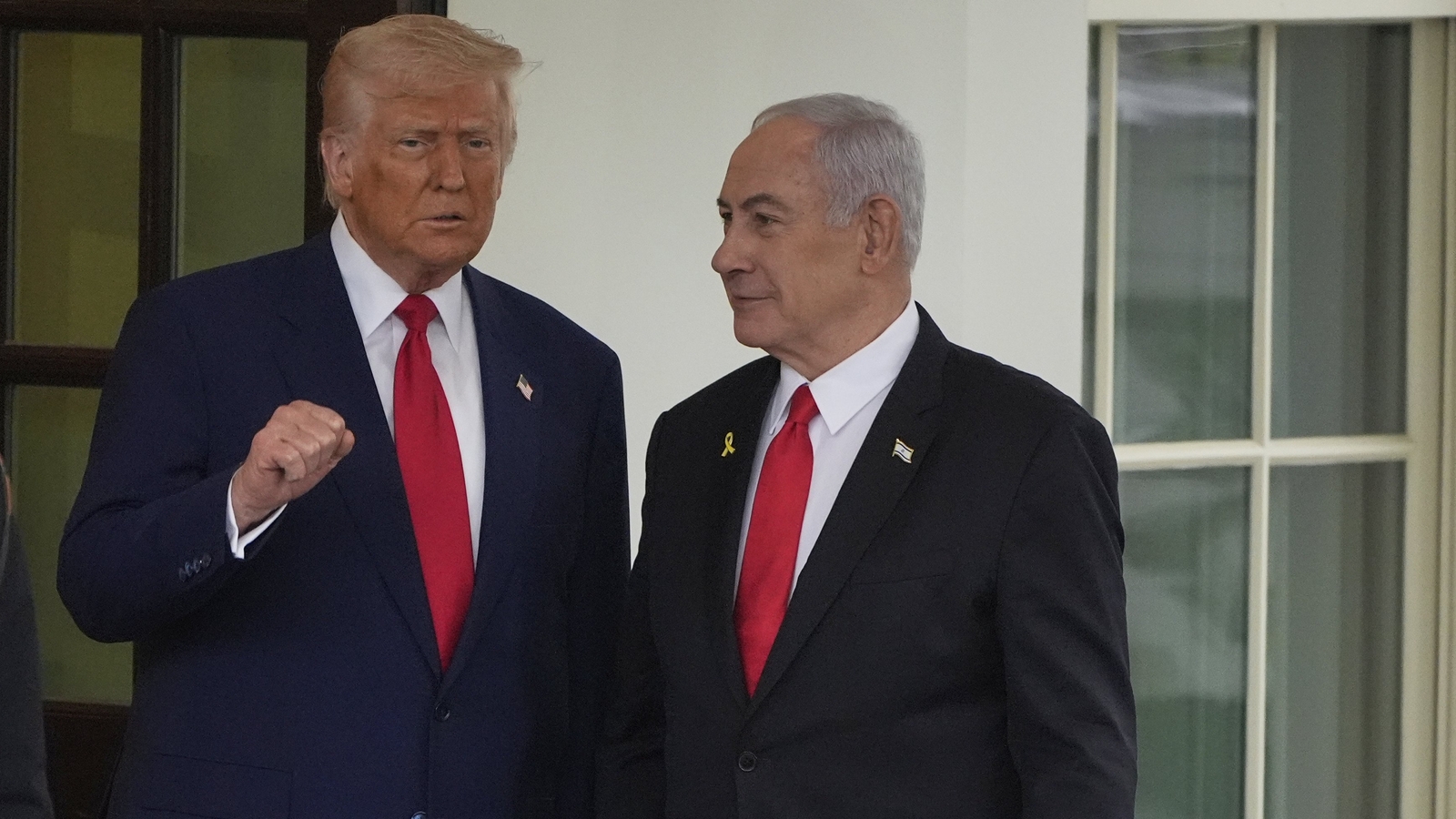
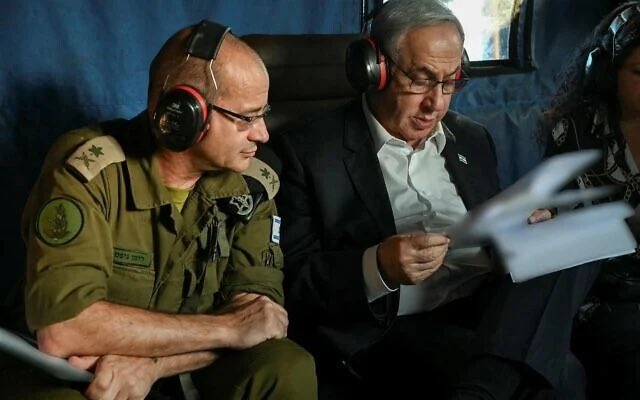
President Donald Trump has repeatedly rebuffed pressure from the Israeli prime minister to return to full-scale combat. Instead, the U.S. Administration has thrown its weight behind a prolonged naval blockade and a targeted economic pressure campaign, aligning closely with regional partners including Saudi Arabia, Qatar, the United Arab Emirates, Kuwait, and Bahrain.
Speaking on Thursday, Trump defended the cautious posture: I could end it immediately. At the request of the nations that I'm looking to protect, we are doing it a little bit longer way, a little bit more civilly,
adding that Saudi Arabia and its neighbors had urged Washington to maintain the status quo while the Iranian economy disintegrates.
The diplomatic friction follows a turbulent period of direct communications between the two leaders. Ynet previously reported that a weekend telephone call centered on Iran deteriorated into an acrimonious exchange, as detailed in Hindustan Times coverage. While a senior Israeli official acknowledged the conversation took place, they disputed its hostile character, insisting it was very much not a difficult conversation.
Netanyahu's office forcefully dismissed the initial reports as fake news
and complete nonsense.
Netanyahu's domestic political vulnerability forms a critical backdrop to the diplomatic maneuvering. Following the Oct. 27 election, Netanyahu's Likud Party-led bloc secured only 53 seats in the 120-seat Knesset, falling short of the 61-seat majority required to govern. Opposition leader Gadi Eisenkot subsequently received the mandate to form a new coalition government. Israeli opposition figures have expressed deep anxiety that Netanyahu might manufacture or escalate military friction with Iran to derail Eisenkot's coalition-building efforts and preserve his premiership, according to UrduPoint reporting. Netanyahu briefed Eisenkot on the Iranian situation during a two-hour meeting, though sources close to Eisenkot maintain that current security conditions do not necessitate immediate military escalation.
| Entity / Actor | Stance on Resuming Iran War | Preferred Strategy |
|---|---|---|
| Benjamin Netanyahu | In favor | Overthrow regime; resume military strikes |
| Donald Trump | Opposed (current status) | Naval blockade, economic pressure, diplomacy |
| Gulf Allies (Saudi Arabia, Qatar, UAE) | Opposed | Maintain waiting period / status quo |
| Gadi Eisenkot | Opposed to immediate action | Prioritise domestic governance over new strikes |
The tension has also spilled over into U.S. Domestic politics, intertwining foreign policy with high-stakes fiscal battles in Washington. As NewsCord aggregated reporting highlights, congressional Democrats have signaled readiness to leverage an impending government funding deadline to check the administration's military posture. Senate Democrats warned that they will oppose any short-term spending patch lacking statutory restrictions on funding a renewed conflict with Iran, setting up a potential showdown ahead of the Dec. 11 funding deadline.
Concurrently, the international nuclear watchdog has intensified warnings regarding transparency. The International Atomic Energy Agency expressed acute concern over a lack of inspector access to an underground uranium enrichment facility in Isfahan, noting that the status of enriched material there constitutes an urgent proliferation risk.
What to watch next
- Outcomes from Gofman's closed-door discussions with CIA Director John Ratcliffe in Washington and envoy Steve Witkoff in Miami.
- Progress on Gadi Eisenkot’s mandate to form a new government in Israel ahead of potential political shifts.
- Congressional negotiations surrounding the Dec. 11 federal funding deadline and Democratic efforts to attach Iran war funding restrictions.
Further developments in this unfolding geopolitical and legislative crisis will be tracked across our World coverage.