UN race sees Rodrigues Birkett and Otunnu gain ground in poll
Guyana's Carolyn Rodrigues Birkett moved into first place in the race to lead the United Nations following the Security Council's second secret straw poll.
- Core Development: Guyana's Carolyn Rodrigues Birkett moved into first place in the race to lead the United Nations following the Security Council's second secret straw poll.
- Beat Context: Categorized under World with independent corroboration.
- Reporting Depth: 4 minute analytical read synthesized from verified newsroom sources.
The race to lead the United Nations shifted on Friday, 21 August 2026, as Passblue reported that the Security Council held its second secret straw poll. Guyana's Carolyn Rodrigues Birkett moved into first place among the eight candidates, while Uganda's Olara Otunnu recorded the sharpest percentage increase in support.
Despite these movements, no candidate crossed the threshold to fully command a lead. Under Article 27 of the UN Charter, any nominee requires nine affirmative votes from the Council, including the concurrence of the permanent members, to clinch the top post. The winner will succeed outgoing UN chief António Guterres when his second term concludes at the end of the year.
Daniel Forti, the head of UN affairs at the International Crisis Group think tank, said:
"It is no surprise that some of the candidates have gained or lost ground, particularly as the P5 begin to express their preferences more openly."
Daniel Forti, head of UN affairs at the International Crisis Group, via PassBlue
Forti added that the absence of a significant majority after two polls could convince other potential candidates to jump into the contest.
Second Round Straw Poll Balloting
The secret ballots, held in the Council's private consultations room, revealed stark contrasts in momentum across the field. Rodrigues Birkett received eight encourage votes, three discourage ballots, and four no-opinion marks. Costa Rica's Rebeca Grynspan secured seven encourage votes, four discourage, and four no opinion, slipping from the first-place position she held in the initial round on July 30.
Olara Otunnu drew five encourage votes, five discourage, and five no opinion. As a relative latecomer who held his interactive dialogue with the General Assembly just days before on August 20, Otunnu more than doubled his encourage tally from two in July. According to PassBlue, several no-opinion ballots flipped to support in the second round.
Other contenders experienced mixed outcomes:
- Rafael Grossi (Argentina): Received seven encourage votes, six discourage, and two no opinion. Opposition to his candidacy tripled from the first round.
- Macky Sall (Senegal): Recorded six encourage votes, seven discourage, and two no opinion, holding steady from July.
- María Fernanda Espinosa (Ecuador, nominated by Antigua and Barbuda): Drew four encourage votes, three discourage, and eight no opinion.
- Michelle Bachelet (Chile, nominated by Brazil and Mexico): Suffered the steepest decline, falling from six encourage votes in July to just two, alongside six discourage and seven no-opinion marks.
- Ivonne A-Baki (Ecuador, nominated by Tonga): Entering the race after the first poll, she received zero encourage votes, eight discourage, and seven no opinion.
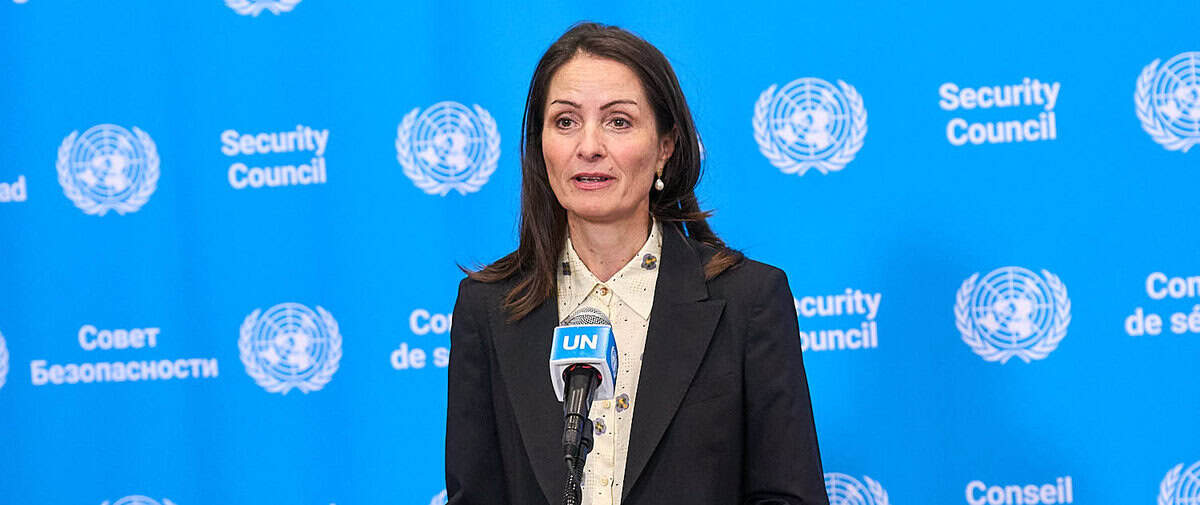
Ambassador Christina Markus Lassen of Denmark, who holds the rotating Council presidency, told reporters after the vote that candidates would be informed of the results through their respective permanent representatives. Lassen did not name a date for the next straw poll.
Candidate Profiles and Regional Dynamics
The current selection cycle is widely viewed by diplomats as the turn of Latin America and the Caribbean under an unwritten regional rotation custom, alongside a push for the organization's first female leader in its history. Six candidates hail from the Latin American and Caribbean region, while two African nominees are also running, and three men compete in the field.
According to reporting from TBS News and Devdiscourse, the contenders bring vastly different political and diplomatic backgrounds:
- Rafael Grossi: The 65-year-old career diplomat and IAEA director general has engaged in high-profile shuttle diplomacy, though Russia has expressed reservations and critics question his outreach to Iran.
- Rebeca Grynspan: The 70-year-old economist and head of UNCTAD campaigns as a reform-minded multilateralist seeking equal treatment and an agile UN.
- Michelle Bachelet: The 74-year-old former Chilean president and human rights chief faces opposition from US conservatives over her abortion stance and criticism from Republican senators regarding her record on China.
- Macky Sall: The 64-year-old former Senagalese president advocates for debt-burdened developing nations and a security council overhaul.
- María Fernanda Espinosa: The 61-year-old former Ecuadorian foreign minister emphasizes biodiversity, climate action, and institutional courage.
- Carolyn Rodrigues Birkett: Guyana's permanent representative to the UN focuses on conflict prevention and climate action.
- Olara Otunnu: The 75-year-old former UN under-secretary-general stresses moral authority, conflict resolution, and artificial intelligence oversight.
- Ivonne A-Baki: The veteran Ecuadorean diplomat emphasizes direct on-the-ground conflict mediation.
What to Watch Next
The 15-nation Security Council will continue holding informal straw polls over the coming months. Eventually, voting will transition to color-coded ballots, which expose vetoes from permanent members. Once the Council recommends a single candidate, the 193-member General Assembly will formally vote to appoint the next secretary-general before the current term expires on 31 December 2027.
How significant is this development?
Contribute your assessment to the aggregated reader sentiment ledger.
Frequently Asked Questions
Key questions answered in this reportWhat is the key development in: UN race sees Rodrigues Birkett and Otunnu gain ground in poll?
Guyana's Carolyn Rodrigues Birkett moved into first place in the race to lead the United Nations following the Security Council's second secret straw poll.
Why is this World development significant for the UK?
This report covers critical events in our World beat. Independent reporting monitors related UK statements, regulatory shifts, and public responses as further verified details emerge.
How was this reporting corroborated and verified?
Newsarchy UK compiles and cross-references reporting from primary reporting from passblue.com and cross-checked wire reports. All coverage adheres to published editorial standards.
When was this report published?
This briefing was published on August 22, 2026 and is permanently cataloged in the Newsarchy UK World archives.