US revokes Brazil ambassador's visa as diplomatic tensions escalates
The United States revoked the visa of Brazil’s ambassador to Washington, Maria Luiza Ribeiro Viotti, after Brazil denied visas to two U.S. State Department officials.
- Core Development: The United States revoked the visa of Brazil’s ambassador to Washington, Maria Luiza Ribeiro Viotti, after Brazil denied visas to two U.S. State Department officials.
- Beat Context: Categorized under World with independent corroboration.
- Reporting Depth: 4 minute analytical read synthesized from verified newsroom sources.
The United States has revoked the visa of Brazil’s ambassador to Washington, Maria Luiza Ribeiro Viotti, a move that signals a sharp rise in diplomatic friction between the two nations just weeks before Brazil’s general election. The decision, announced by a State Department official, was described as a “reciprocal action” after Brazil denied visas to two senior U.S. State Department staff who had sought to visit the country last month. The revocation does not equate to an expulsion; it merely prevents Viotti from re‑entering the United States without a new visa.
In the days that followed the visa denial, the U.S. Government highlighted that it had repeatedly communicated with Brazil, offering “every opportunity to do the right thing,” yet the Brazilian side was said to have “continually delayed and obfuscated.” The State Department’s spokesperson also confirmed that “additional diplomatic options remain on the table.” These remarks, reported by Yahoo News, come against a backdrop of a series of disputes that have intensified over recent months, including the U.S. Re‑imposition of tariffs on Brazil and the designation of Brazilian gangs as terrorist organisations.
Media additions
Background of the dispute
Brazil’s president, Luiz Inácio Lula da Silva, accused the U.S. Officials of seeking to “meddle” in Brazil’s elections — a claim the American side dismissed as “baseless.” The two U.S. Staff — Riley M Barnes, an assistant secretary of state for democracy, human rights and labour, and Samuel Samson, a deputy assistant secretary in the same section, had been slated to travel to Brazil in late July for a discussion on freedom of expression, religion and election integrity. They also planned to meet Flávio Bolsonaro, the son of former president Jair Bolsonaro, who is campaigning for the presidency.
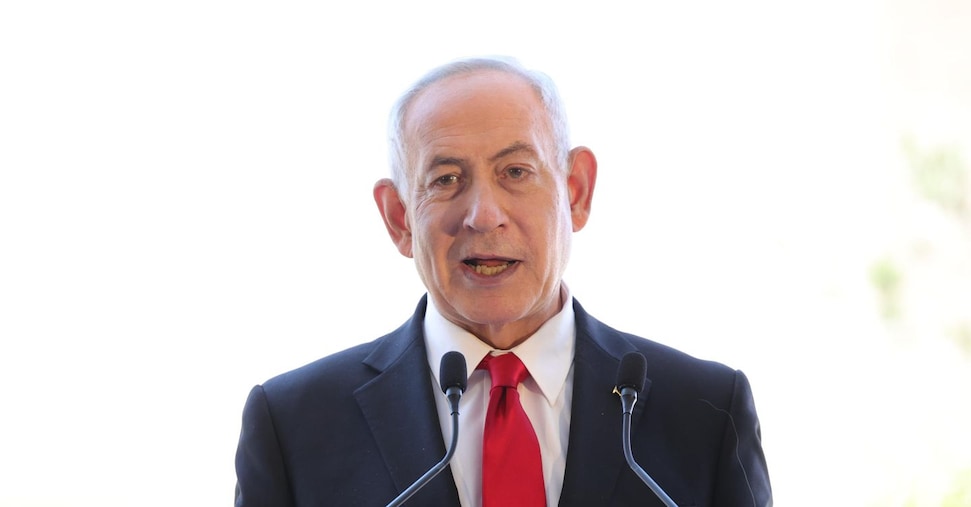
Flávio Bolsonaro, who has received endorsements from Argentine president Javier Milei and Israeli prime minister Benjamin Netanyahu, has repeatedly questioned the integrity of Brazil’s electronic voting machines, asserting that they share origins with Venezuela’s systems and citing a CIA report on electoral fraud in that country. He later denied that he was challenging Brazil’s electoral system, claiming instead that he wanted a larger international observer presence. Brazil’s Superior Electoral Court has rejected his allegations, after all, and has praised the country’s system as one of the most secure in the world.
Brazil’s response to the U.S. Officials’ planned visit was swift. The Brazilian presidency described it as “an unacceptable attempt to interfere in the country's domestic political process” and blocked the visas for the delegation.
Brazilian perspective
Brazil’s official statement to the Bbc characterised the U.S. Justifications for canceling the envoy’s visa as “false.” The Brazilian government told the BBC that the Perez request remained under review. Perez, a Florida state representative and ally of U.S. Secretary of State Marco Rubio, had been nominated on 1 June without seeking Brazil’s approval, a customary diplomatic step.
President Lula has publicly criticised the State Department under Rubio for its increasing intervention in Latin American politics, including its endorsement of conservative candidates in some elections. The revocation of Viotti’s visa further strains relations at a time when Brazil’s political landscape is highly contested.
Implications for Brazil’s upcoming election
The U.S. Revocation arrives just weeks before Brazil’s national election, adding a new layer of tension to an already heated campaign.
While the State Department has confirmed that the visa revocation does not ban Viotti from entering the United States, it has left open the possibility of “additional diplomatic options.” The U.S. And Brazil have yet to outline concrete steps to deescalate the situation, leaving observers uncertain about the future trajectory of bilateral relations.
Broader diplomatic context
The U.S. And Brazil have already seen a series of disputes in recent months. The U.S. Has re‑imposed tariffs on Brazilian goods, and Brazil has designated certain criminal gangs as terrorist organisations, a move that the U.S. Has scrutinised.
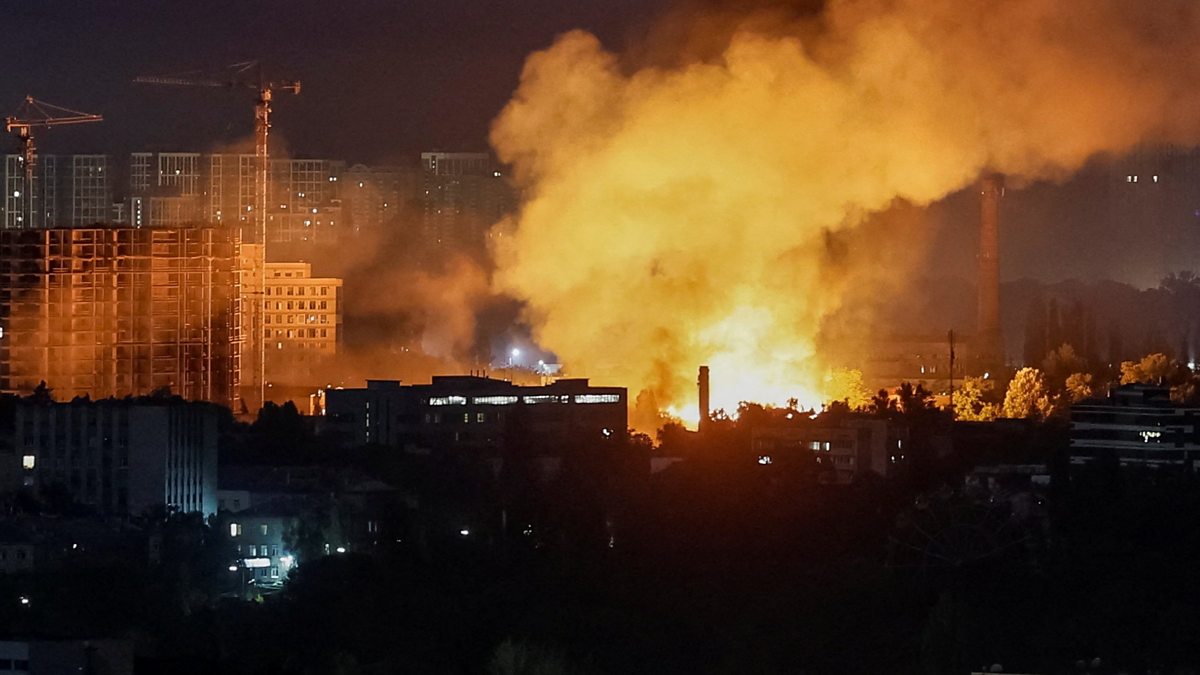
In a broader international context, the same BBC podcast that highlighted the visa revocation also covered other pressing global events, such as a Russian missile strike on Kyiv and the sinking of an Indian merchant ship in the Red Sea. While these stories are unrelated to the U.S.–Brazil dispute, they underscore the complex web of diplomatic and security challenges faced by nations worldwide.
Timeline of key events
- Late July – Two U.S. State Department officials, Riley M Barnes and Samuel Samson, planned a visit to Brazil to discuss election integrity.
- Late July – Brazil denies visas to the U.S. Delegation, citing concerns over interference in domestic politics.
- Early August – The U.S. Revokes Maria Luiza Ribeiro Viotti’s visa, describing it as a “reciprocal action.”
- Early August – Brazil labels the U.S. Justifications for the visa revocation as “false.”
- Early August – Brazil indicates that Perez’s nomination is still under review.
How significant is this development?
Contribute your assessment to the aggregated reader sentiment ledger.
Frequently Asked Questions
Key questions answered in this reportWhat is the key development in: US revokes Brazil ambassador's visa as diplomatic tensions escalates?
The United States revoked the visa of Brazil’s ambassador to Washington, Maria Luiza Ribeiro Viotti, after Brazil denied visas to two U.S. State Department officials.
Why is this World development significant for the UK?
This report covers critical events in our World beat. Independent reporting monitors related UK statements, regulatory shifts, and public responses as further verified details emerge.
How was this reporting corroborated and verified?
Newsarchy UK compiles and cross-references reporting from primary reporting from bbc.co.uk and cross-checked wire reports. All coverage adheres to published editorial standards.
When was this report published?
This briefing was published on August 5, 2026 and is permanently cataloged in the Newsarchy UK World archives.