US Treasury vows 'never seen before' sanctions on Iran
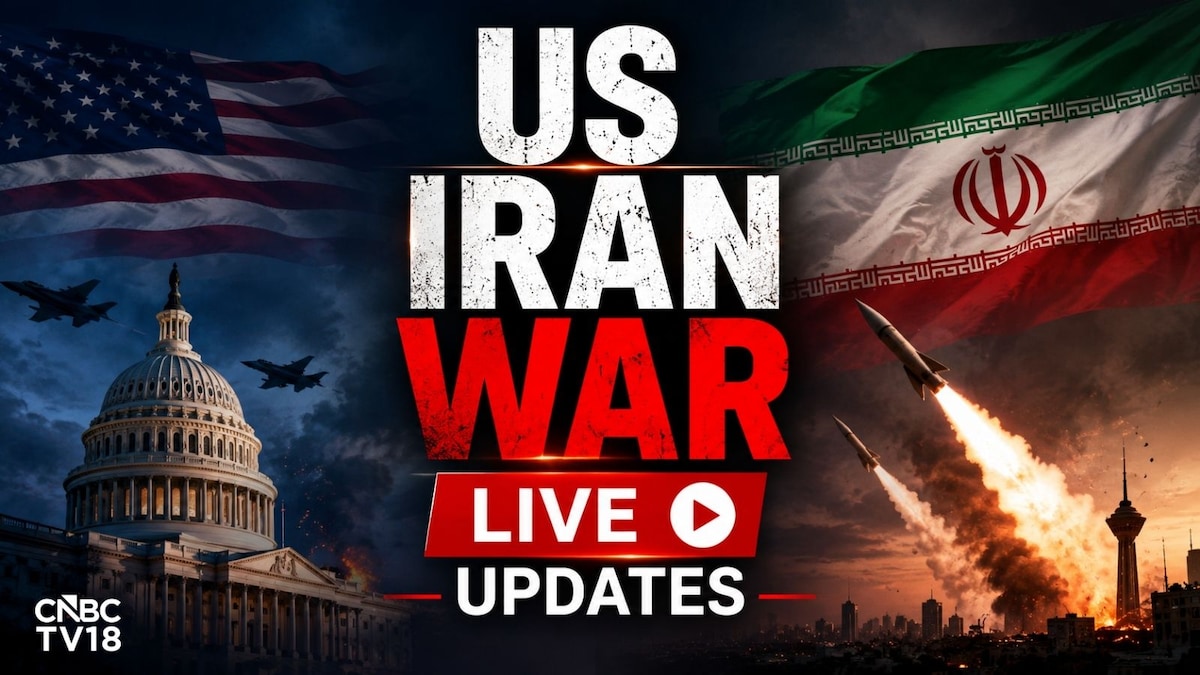
US Treasury Secretary Scott Bessent announced plans for unprecedented economic isolation and a naval blockade against Iran following stalled ceasefire talks.
- Core Development: US Treasury Secretary Scott Bessent announced plans for unprecedented economic isolation and a naval blockade against Iran following stalled ceasefire talks.
- Beat Context: Categorized under World with independent corroboration.
- Reporting Depth: 4 minute analytical read synthesized from verified newsroom sources.
The geopolitical fault lines across West Asia deepened significantly as Washington escalated its economic and military posture against Tehran. Global markets reacted immediately to shifting dynamics across the region, where critical maritime choke points remain heavily contested and economic warfare enters a potentially unprecedented phase.
US Treasury Secretary Scott Bessent announced that Washington is preparing to unleash economic measures like have never been seen in the history of economic isolation of a country,
as reported by Business Standard. Speaking in an interview with Newsmax, Bessent warned observers to watch for upcoming announcements regarding the campaign, which aims to combine total economic isolation with a prolonged US naval blockade designed to halt all maritime traffic entering or leaving Iranian ports.
Media additions

The hardening US stance follows the breakdown of ceasefire negotiations. It coincides with ongoing disruptions in the Strait of Hormuz, a vital waterway that previously handled a significant portion of global petroleum supplies. While American officials threaten an indefinite blockade, the newly appointed head of Iran’s Basij paramilitary unit, Hossein Taeb, asserted that the vital transit corridor remains under the direct control and management of the Islamic Republic, according to reporting highlighted by Business Standard.
The kinetic conflict continues to generate severe regional fallout. The United Arab Emirates’ Foreign Ministry issued a strong condemnation following an attack on two oil tankers belonging to the state-owned Abu Dhabi National Oil Company while the vessels navigated the contested waterway. Officials confirmed that no injuries resulted from the incident.
Economic shockwaves are rippling far beyond the immediate combat zone. Kuwait’s vital energy sector has suffered severe paralysis due to prolonged conflict and export constraints, leaving the nation grappling with its most acute economic crisis since the regional conflict of 1990. Unlike several of its Gulf neighbors, Kuwait lacks an operational pipeline network capable of bypassing the Hormuz bottleneck.
Meanwhile, international civil aviation patterns have experienced drastic shifts. Seoul’s Incheon Airport surpassed traditional international transit hubs to become the world’s busiest airport for international passenger traffic during the initial half of the year. Air traffic management data indicates that regional hostilities forced carriers to redirect transit routes away from West Asian hubs toward East Asian corridors.
Military escalations have also prompted structural adjustments within US operations. CENTCOM announced the creation of Task Force Falcon Strike, a multinational and multi-domain drone unit combining aerial, surface, and subsurface uncrewed systems. The new unit builds upon the operational framework established by Task Force Scorpion Strike.
Market Reactions and Commodity Outlook
Crude benchmarks ticked upward following the announcement of potential indefinite blockades, though gains remained checked by opposing macroeconomic indicators. Analysts noted that weaker global demand forecasts from major energy agencies alongside substantial domestic inventory builds have acted as a stabilizing counterweight.
- Brent Futures: Edged up slightly to settle near higher trading bands.
- WTI Crude: Recorded modest gains while tracking toward weekly positive trajectories.
- Geopolitical Risk Premium: Continued to insulate oil valuations against larger downward corrections despite softening demand metrics.
Susan Bell, senior vice president for oil commodity markets at Rystad Energy, observed that broader geopolitical tensions have successfully prevented sharper price declines despite bearish inventory data. Concurrently, KCM chief market analyst Tim Waterer noted that opposing market forces have created a trading environment where prices remain supported but struggle to break out significantly.
Global Diplomatic Maneuvers
Diplomatic efforts and rhetorical sparring matched the intensity of the maritime standoff at the United Nations. During a Security Council session, Russia’s UN representative Yulia Zhdanova criticized American and Israeli actions in Yemen, demanding an immediate and complete lifting of maritime and land blockades affecting the country. Zhdanova argued that prolonged stagnation in the Yemeni peace process left the Houthi movement dragged into a wider regional confrontation.
On the allied front, Australian Prime Minister Albanese conferred with US leadership regarding nuclear proliferation concerns and regional security. Discussions also encompassed bilateral tariff considerations and the broader strategic alignment under the AUKUS security pact.
Internal scrutiny within the United States military apparatus also intensified over deployment conditions. Congressional representatives from California formally demanded explanations from senior defense officials regarding operational conditions, mental health support, and communications aboard the USS Abraham Lincoln, following months of extended naval deployments. Defense leadership firmly rejected reports alleging severe crises aboard the vessel as entirely misrepresented.
What to Watch Next
- Anticipated economic sanctions and trade isolation measures from the US Treasury Department.
- Developments regarding the security of commercial tanker traffic transiting through Gulf waterways.
- Potential diplomatic initiatives or mediation efforts via international channels, including ongoing regional talks detailed in Pakistan interior minister heads to Tehran to mediate US‑Iran conflict.
- Future updates on political developments and internal power structures within Iran, building on recent reporting found in Iran releases rare video of Mojtaba Khamenei after reports of deteriorating health and the ongoing negotiations surrounding Iran issues Trump surrender document with nine conditions to reopen Strait of Hormuz.
For ongoing updates concerning international security, diplomatic summits, and market impacts, consult our continuous World coverage.
How significant is this development?
Contribute your assessment to the aggregated reader sentiment ledger.
Frequently Asked Questions
Key questions answered in this reportWhat is the key development in: US Treasury vows 'never seen before' sanctions on Iran?
US Treasury Secretary Scott Bessent announced plans for unprecedented economic isolation and a naval blockade against Iran following stalled ceasefire talks.
Why is this World development significant for the UK?
This report covers critical events in our World beat. Independent reporting monitors related UK statements, regulatory shifts, and public responses as further verified details emerge.
How was this reporting corroborated and verified?
Newsarchy UK compiles and cross-references reporting from primary reporting from cnbctv18.com and cross-checked wire reports. All coverage adheres to published editorial standards.
When was this report published?
This briefing was published on August 14, 2026 and is permanently cataloged in the Newsarchy UK World archives.